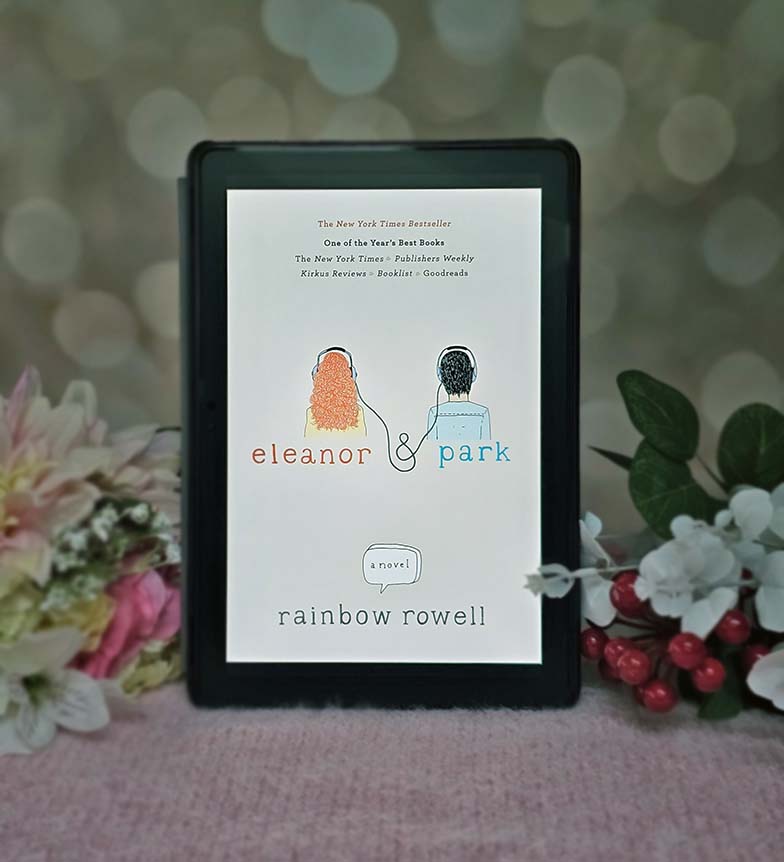
Eleanor & Park
by Rainbow Rowell
Rainbow Rowell's beloved YA novel about two misfit teenagers who fall in love on the school bus in 1986 Omaha. A tender, painful story about first love, abuse, racism, and finding someone who sees you - praised for representation but not without controversy.
Buy this book:
Spoiler Warning
This review may contain spoilers. Read at your own discretion if you haven't finished the book yet.
First Love on the Back of the Bus, and the Asterisk That Comes With It
Eleanor & Park is one of those YA novels readers either fall hard for or quietly back away from - and the strange thing is that both reactions come from the same pages. It's been called groundbreaking representation and criticized as the opposite. It's been praised as the truest rendering of teenage first love in years and faulted for romanticizing dysfunction. My own read landed somewhere in the uneasy middle: genuinely moved by long stretches of it, genuinely bothered by others.
The setup is small and specific. Omaha, August 1986. Park Sheridan rides the school bus with his headphones on, keeping his head down around the louder kids - Steve, Tina, the ones who run the back rows. Eleanor Douglas gets on as the new girl: red curly hair, men's clothes, the wrong everything for a sophomore trying not to be seen. There's nowhere to sit until Park, half-annoyed, moves over and mutters at her to sit down. That bus seat is the entire engine of the book. Neither of them speaks for weeks. Then Park notices Eleanor reading his comics over his shoulder, and starts holding them open a little longer, a little wider, until one day he just hands them to her.
Two Houses and One Bus Seat
The romance is built almost entirely out of small, smuggled things, and that's what makes it work. Park lends Eleanor his comics - X-Men, and eventually Watchmen, which becomes a quiet thread running to the last page. When he forgets the comics one day, he hands her his Walkman and a stack of New Wave tapes instead, and they graduate from comics to music to, finally, actually talking. The first time Park holds Eleanor's hand, Rowell writes it like something seismic, and the remarkable thing is that she makes you feel why - the way a teenager experiences a small physical gesture as enormous and slightly terrifying.
The two households are the book's other spine. Park's home is warm and intact: his Korean mother, Mindy, runs a salon out of the house, his father, Jamie, is strict but present, there's food in the kitchen and nobody is afraid. Eleanor's house is the inverse of all of it. She's the oldest of a crowd of younger siblings packed into a tiny place with her mother and her stepfather, Richie - drunk, volatile, and the reason Eleanor had already been kicked out and sent away for a year before the book even opens. There's no door on the bathroom. The only phone is in the kitchen, within Richie's earshot, which turns even a phone call with Park into something Eleanor has to ration and hide.
What Rowell Gets Right
When the book is good, it's very good, and it's good at exactly the thing it most wants to be. The interiority is the draw here - the dual narration moves between Eleanor and Park sometimes within a single scene, so you get both sides of the same small moment, both kids convinced the other one is out of their league. Eleanor, sure she's grotesque, can't understand why Park would look at her twice. Park, self-conscious in a way the book takes seriously, sees Eleanor as fearless. That mismatch between how they see themselves and how they see each other is the most honest thing in the novel.
Eleanor's home life is the other thing rendered without flinching. The dread is specific rather than generic: the way she reads Richie's moods before she reads anything else, the shame about her clothes and her body, the hidden box of small belongings, the menstrual pads stuck to her locker and the increasingly vile graffiti creeping across her textbook covers. The poverty and the fear are drawn carefully, never sensationalized, and the slow realization of who is actually writing on those books lands harder because of that restraint.
Where It Struggles, and the Larger Problem
Two things kept me at a 3 rather than higher. The smaller one is tonal. The book never quite decides whether it's a sweet first-love story that happens to contain abuse, or a serious story about abuse that happens to contain romance, and the balance keeps tipping. The climax - Eleanor finding her box desecrated and a threatening note in handwriting she recognizes from her textbooks, Park driving her overnight to relatives in Minnesota, the months of letters she leaves unopened, and the final postcard with its three unnamed words - is either beautifully restrained or frustratingly unfinished depending on the reader. I found it a little of both.
The larger problem is Park himself. The book has drawn sustained criticism, much of it from Asian American readers and writers, for how it handles him: the recurring fixation on his eyes as "almond" and exotic, Eleanor's internal shorthand of "stupid Asian kid," Park's own wish that he looked more white like his younger brother - an internalized racism the novel raises but never really works through. As a non-Asian reader I'm not the person to adjudicate that, but it isn't a fringe complaint, and anyone picking this up now should know the conversation exists. Representation that let some readers feel seen for the first time also left others feeling stereotyped, and both of those things are true at once.
Who It's For
This is still a book a lot of people love for real reasons, and the reasons are on the page - the ache of it, the specificity, the way it treats teenage feeling as serious business. It's just not the uncomplicated favorite it sometimes gets sold as. Go in for the first-love writing and Eleanor's hard-won voice; go in knowing the ending withholds and the Park material is contested.
Rating: 3.0/5 ⭐
Perfect for: Rainbow Rowell fans, readers who want bittersweet YA romance that doesn't look away from abuse or poverty, anyone nostalgic for 1980s mixtape-and-comics youth culture.
Skip if: You want a clean, fully resolved ending, or the well-documented criticism of Park's characterization would sit badly with you.
You Might Also Like
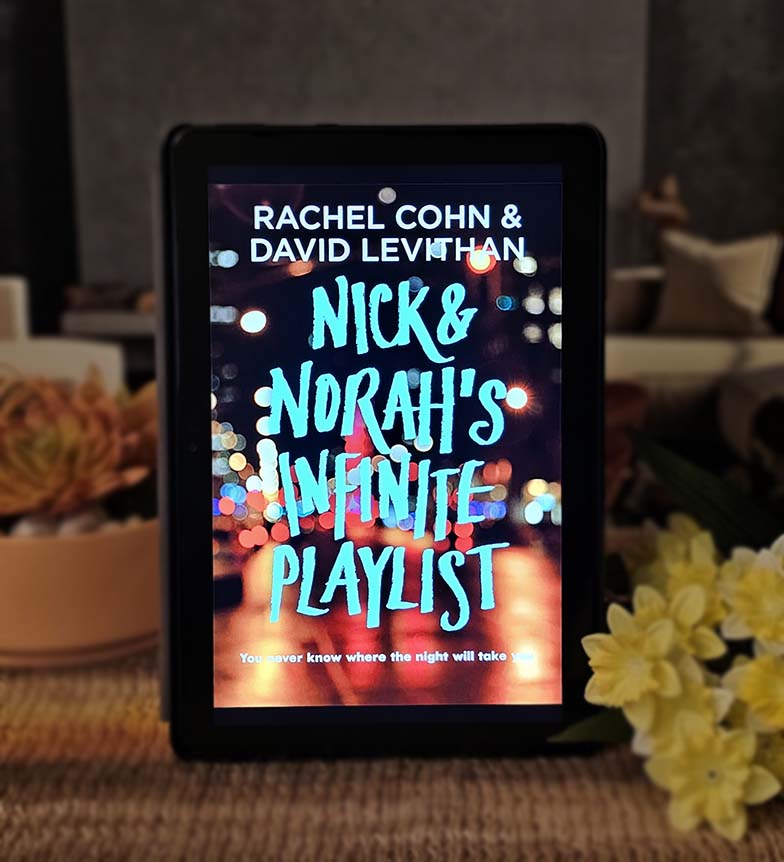
Nick & Norah's Infinite Playlist
by Rachel Cohn, David Levithan
Nick - the only straight member of a New York queercore band, working through his breakup with the complicated Tris by making her mix CDs she throws away - is at a Lower East Side club for a show when he sees Tris walk in with another guy, panics, and asks the nearest girl to pretend to be his girlfriend for five minutes; the girl turns out to be Norah, daughter of a well-known music producer, a classmate of Tris's at the Convent of the Sacred Heart, and the person who has been retrieving Nick's discarded mix CDs from Tris's trash and loving them without knowing he made them; the kiss they share to sell the cover is the first event in a single Manhattan night that will involve Norah's drunk friend Caroline, Norah's complicated ex Tal, and a citywide search for the secret late-night show of their favorite band, Where's Fluffy. Rachel Cohn and David Levithan's 2006 YA collaboration, with Cohn writing Norah's chapters and Levithan writing Nick's, told in alternating first-person POV over the course of a single night.

Thirteen Reasons Why
by Jay Asher
Two weeks after high school sophomore Hannah Baker kills herself, a shoebox arrives at Clay Jensen's house containing seven cassette tapes she recorded before she died - one side per person who contributed to the decision, thirteen reasons in all, with instructions to listen, pass them on, and not break the chain or the second set held by a watchful classmate gets released to the world.
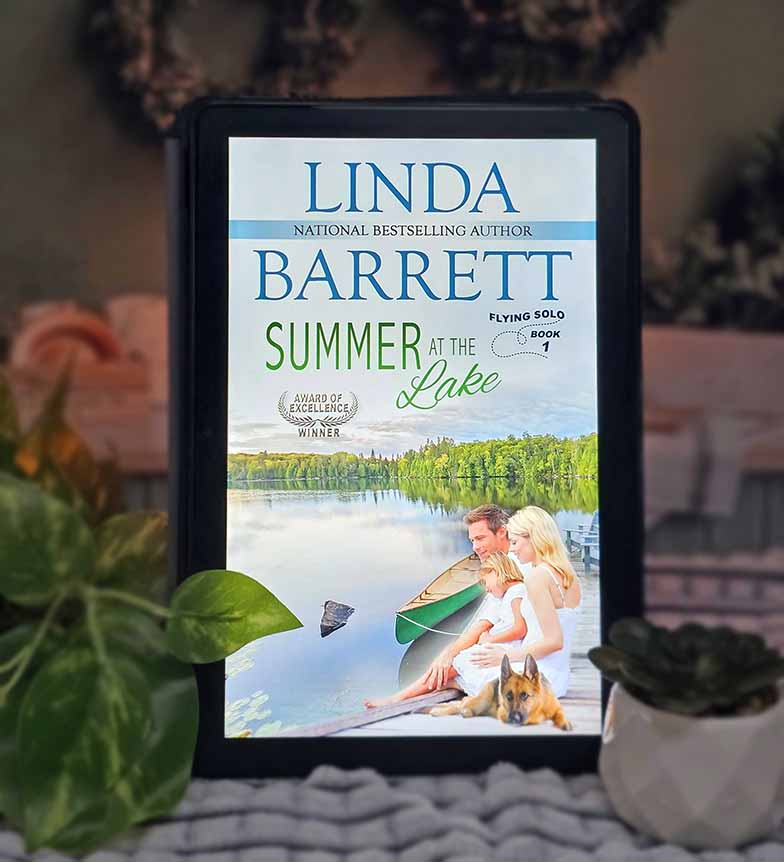
Summer at the Lake
by Linda Barrett
An NYPD veteran who lost a child during a hostage negotiation retreats to Morningstar Lake with his German Shepherd Quincy and his saxophone; a widow named Kristin McCarthy borrows her friend Marsha's Catskills cottage and brings her eleven-year-old daughter Ashley, a recent rape survivor who has stopped being able to be in her own house - and the music carries across the water in Linda Barrett's first Flying Solo novel.