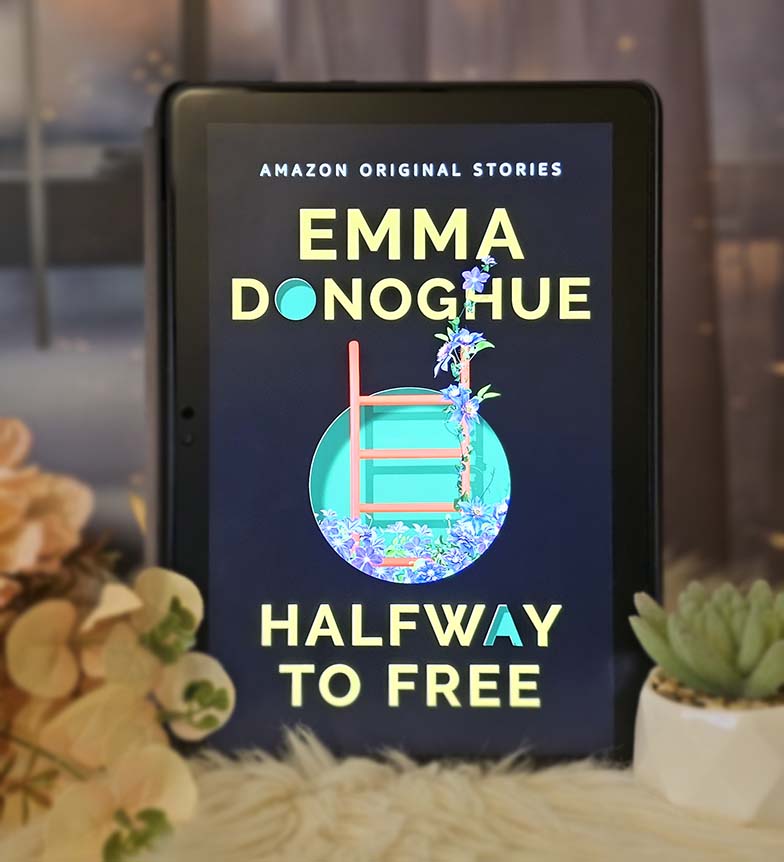
Halfway to Free
by Emma Donoghue
Emma Donoghue's contribution to Amazon's Out of Line collection imagines a 2060 in which the climate crisis has been answered by a society that strongly disincentivizes having children - and Miriam, who has accepted the rules her whole life, finds at a work retreat that she and a coworker named Ned both want what almost no one is allowed to want anymore.
Buy this book:
Spoiler Warning
This review may contain spoilers. Read at your own discretion if you haven't finished the book yet.
A 2060 in Which Wanting a Child Is the Heretical Move
The premise is the inversion of The Handmaid's Tale, which is exactly why Amazon's choice to hand Samira Wiley the audiobook lands as such a deliberate piece of casting. In Emma Donoghue's 2060, the climate crisis has been substantially answered, but the answer involves a coordinated reduction in global population, achieved not by force but by a soft architecture of incentives so total that having a child has become socially almost unthinkable. Daycares are relics. Playgrounds are overgrown. The people who do choose to have children "drop out" of normal society - they lose access to housing, employment, healthcare, and the basic social standing the rest of the world takes for granted. Having a baby isn't illegal; it just has a price tag that most people, reasonably, decline to pay.
Miriam has spent her life accepting this world. The system makes sense. Universal contraception is a public good, and the alternative would have been the planet humanity nearly broke. Then, at a work retreat, Miriam makes a joke about wanting children. Her coworkers respond with the polite, embarrassed laughter people use when someone has said something inappropriate at lunch. Everyone except Ned, who, after the moment passes, finds her later and admits, quietly, that he wants children too. The conspiratorial intimacy of two people sharing a heretical longing is the whole story.
Donoghue's contribution to Amazon's Out of Line short-story series - the same collection that gave us Strayed's This Telling, Gay's Graceful Burdens, Ko's The Contractors, and Kepnes's Sweet Virginia - is the most overtly speculative of the entries. A 3.0 reflects: a smart inversion of a familiar genre, a forty-five-page world that I wished had more breathing room, and an ending that leaves the actual choice mostly hypothetical.
The World, Sketched at the Edges
What Donoghue does well, and quickly, is the texture of a society that has reorganized itself around the absence of children. The empty playgrounds. The way "drop out" has become both a shorthand and a slur. The way a coworker who jokes about pregnancy creates the social temperature of a roomful of people who would rather she hadn't. The story is doing in 2060 with parenthood roughly what The Handmaid's Tale did with the inverse problem in its 1985 register: showing the casual moral fabric a regime produces in the people inside it, rather than the regime's machinery itself. Donoghue is good at this; she has Wiley's voice doing some of the work, and the casting is fair, because the story is in conversation with Handmaid whether or not it announces it.
What's harder, at this length, is making the world feel inhabited in any depth. We get Miriam's office, the retreat, a sense of her social network, gestures at the political consensus that produced the regime. The world's bigger questions - what life looks like for the people who did drop out, what the political path was, how universal the consensus actually is, who the dissidents are - are mostly in the wings. Donoghue knows the limits of the form she's working in and doesn't try to overstuff. She also doesn't quite escape what those limits cost.
Miriam, Ned, and the Choice the Story Mostly Stays Out Of
The Miriam-Ned dynamic is well-rendered. Both of them are inhabited adults whose curiosity about parenthood is not romanticized as an obvious moral good, and not pathologized as the regime would frame it - it is treated as a thing they each found themselves wanting and don't entirely know what to do with. The conversations between them, when they get to them, have the quiet weight of conversations between two people testing whether they can trust each other with what they have not been allowed to say.
Where the story plays a little safer than I wanted is in the choice itself. The piece builds toward Miriam's decision but spends most of its forty-five pages in the contemplation phase. The actual cost of choosing - what dropping out would mean in concrete day-to-day terms, what Miriam would lose, what their relationship would look like inside that loss - is sketched but not really inhabited. The story stops shortly past the point where the choice begins. That is, again, a fair short-story ending; it is also the part that pulls the rating to a 3 for me.
Why a 3
The strengths: the inversion premise, the casting choice on the audio, the texture of a society that has decided what a population should look like, the moral seriousness about Miriam's want without making her right or wrong about it. The reservations: the world is necessarily thin in places, the choice is mostly contemplated rather than enacted, and Donoghue's larger project - which has done its best work in Room's claustrophobic single setting - is here trying to render a global civilization in the space a single setting would normally take. The mismatch shows.
A 3.0 means: a piece I respected, with a casting choice that elevates the audio version, by an author whose longer treatments are more satisfying than this short can be. Worth an hour. If you came expecting Room-level intimacy, calibrate.
Rating: 3.0/5 ⭐
Perfect for: Donoghue readers, fans of speculative short fiction that inverts familiar genre setups, listeners who'd hand Samira Wiley an hour, anyone interested in climate-adjacent fiction that takes population-policy questions seriously.
Skip if: You want speculative worlds rendered fully rather than sketched, you find short stories that stop just before the central choice frustrating, or anti-natalist premises don't engage you.
You Might Also Like
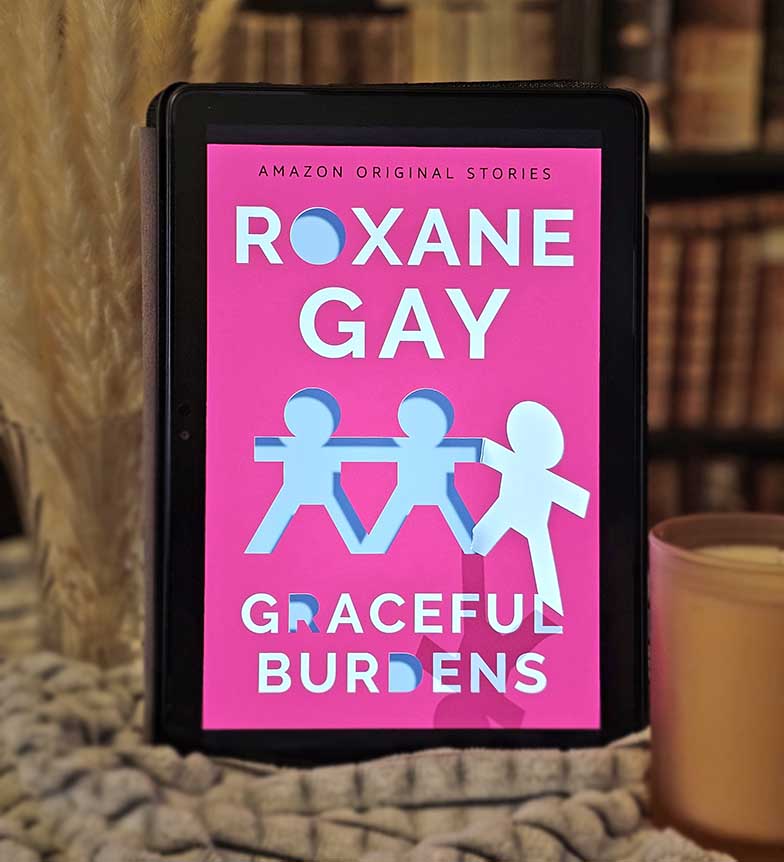
Graceful Burdens
by Roxane Gay
In Roxane Gay's short, administrative dystopia, every girl is tested at sixteen to see whether the state will license her to have a child of her own; Hadley failed, so she goes to the baby library, where unlicensed women can borrow an infant girl on a two-week loan.
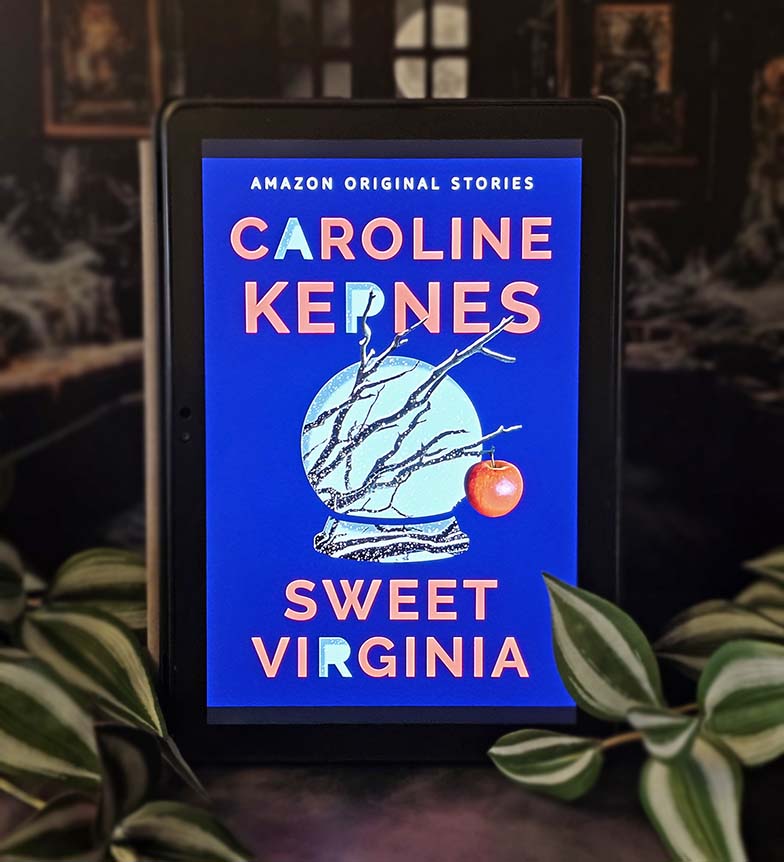
Sweet Virginia
by Caroline Kepnes
Caroline Kepnes's contribution to Amazon's Out of Line collection sends an exhausted, recently-fired new mother named Shelby chasing a Hallmark-movie fantasy with a secret admirer - and lands her, in a darkly comic Stepford Wives-meets-The Prisoner pivot, on a rehabilitation ranch for women classified W2 who must be retrained into W1 before they're allowed to go home.
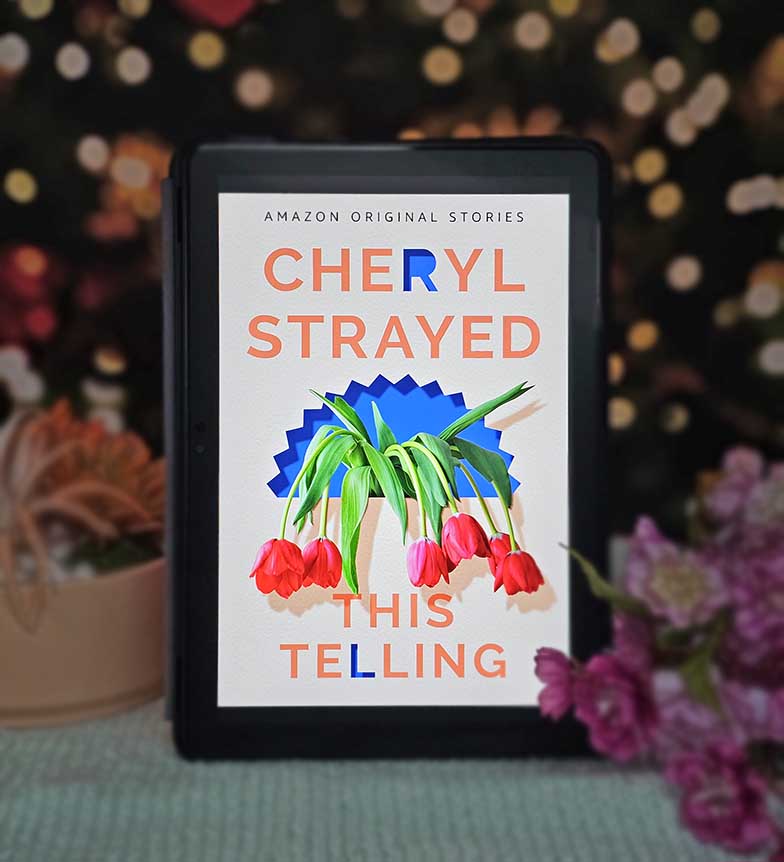
This Telling
by Cheryl Strayed
An Ancestry.com match arrives in the inbox of a woman who has spent forty-plus years pretending the baby she gave up for adoption in 1964 never existed - and Cheryl Strayed traces, in a tight short story for Amazon's Out of Line collection, what happens when a teenager named Geraldine Waters has to integrate the life she actually lived with the one she's been telling.