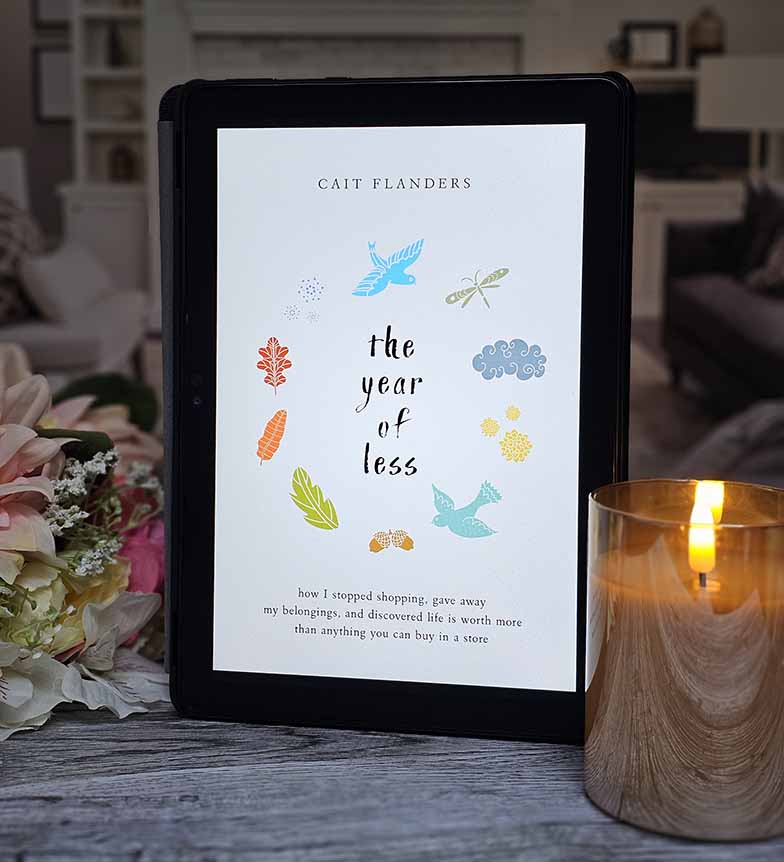
The Year of Less
by Cait Flanders
A deeply personal memoir about one woman's year-long shopping ban and her journey toward mindful consumption and intentional living.
Spoiler Warning
This review may contain spoilers. Read at your own discretion if you haven't finished the book yet.
What Happens When You Stop Buying Things for a Year?
Here's the setup: Cait Flanders, a twenty-something personal finance blogger living in Victoria, British Columbia, decides to stop buying anything non-essential for an entire year. No new clothes. No books. No home decor. No takeout coffee. No impulse purchases of any kind. Just groceries, toiletries, and genuine replacements for things that break or wear out beyond repair. She's coming off two years of aggressively paying down $30,000 in consumer debt, she's been sober from alcohol for a couple of years, and she's starting to notice that the shopping habit she picked up after quitting drinking looks suspiciously like another addiction wearing a different outfit. The Year of Less is the memoir of that experiment, and what makes it remarkable isn't the shopping ban itself - it's what the shopping ban forced Flanders to confront about herself.
I expected this to be a minimalism book. It is, technically, but calling it that feels reductive in the same way calling a recovery memoir "a book about quitting drinking" would. Flanders isn't interested in capsule wardrobes or Instagram-ready empty shelves. She's interested in the question underneath the clutter: why do we buy things we don't need, and what are we actually trying to fix when we swipe the credit card? Her answer, drawn from painful personal experience, is that compulsive consumption and addiction operate on the same circuitry - and that you can't address one without eventually confronting the other.
The Rules, the Slips, and the Revelations
Flanders lays out her shopping ban rules at the beginning of the year with the specificity of someone who knows herself well enough to anticipate her own loopholes. Consumables like food, toiletries, and cleaning supplies are allowed. Replacement items are allowed only when something is truly used up or broken - not when she's bored with it. Gifts for others are allowed but have to be consumable or experiential, not material. Everything else is off the table. She also commits to a parallel decluttering project, going through her apartment and getting rid of everything she doesn't use or love, tracking the volume of what leaves her home alongside the volume of what doesn't enter it.
The early months are predictably hard. Flanders describes the physical pull of wanting to buy things - scrolling through online stores without adding anything to the cart, walking past shop windows and feeling a genuine craving, catching herself reaching for her wallet at a checkout counter before remembering the ban. What's striking is how clearly she connects these moments to her experience with sobriety. The urge to shop, she realizes, follows the same pattern as the urge to drink: a trigger (stress, boredom, loneliness, a bad day at work), an automatic reach for the coping mechanism, and a brief hit of relief that fades almost immediately, leaving you needing more. She'd gotten sober and thought she'd dealt with the addiction. The shopping ban revealed that she'd just transferred it.
The slips, when they happen, are handled with honesty rather than drama. Flanders doesn't present herself as a minimalist saint who glided through twelve months of self-denial. She buys things she doesn't need. She bends her own rules. She argues with herself about whether a particular purchase counts as a "replacement" or a rationalization. These moments are some of the book's most useful, because they show the process of behavioral change as it actually works - not a clean before-and-after, but a messy, ongoing negotiation with your own impulses. Her willingness to document the failures alongside the breakthroughs is what keeps the book from feeling preachy.
What Fills the Space
The most compelling thread in the memoir isn't the things Flanders stops buying - it's what rushes in to fill the space they leave behind. Without shopping as a default response to emotional discomfort, she's forced to sit with feelings she's been avoiding for years. Anxiety about her career. Grief over the end of a serious relationship that she hasn't fully processed. Questions about whether the life she's building in Victoria is actually the life she wants, or just the life that seemed safest after getting sober. The shopping ban doesn't cause these reckonings, but it strips away the noise that had been drowning them out.
Flanders is particularly good at tracing how her spending habits connected to her sense of identity. She'd been buying books she never read because owning them made her feel like a certain kind of person. She'd been buying workout gear because the purchases gave her the feeling of being someone who exercised, even when she wasn't actually going to the gym. She'd been decorating and redecorating her apartment as a way of externalizing the internal changes she wanted to make but hadn't figured out how to start. When the buying stops, the gap between who she is and who she's been performing becomes impossible to ignore - and that discomfort, while painful, is where the real growth happens.
The decluttering project runs in parallel and produces its own insights. Over the course of the year, Flanders gets rid of roughly 70 percent of her belongings. She tracks every item that leaves her home, and the cumulative weight of it - bags of clothes she bought but never wore, kitchen gadgets she used once, gifts she kept out of guilt - becomes its own kind of reckoning. The possessions she's been storing aren't neutral; they're evidence of every impulse purchase, every attempt to buy her way into a different version of herself. Letting them go is less about minimalism as an aesthetic and more about acknowledging the emotional patterns that accumulated them in the first place.
Where the Memoir Gets Quiet
If the book has a weakness, it's in the later months of the ban, where the narrative momentum starts to plateau. The early sections have the energy of discovery - each week brings new triggers, new slip-ups, new realizations. By month eight or nine, Flanders has largely adjusted to the ban, and the entries take on a more reflective, journal-like quality that doesn't always sustain the same engagement. The insights are still there - her writing about how the ban changed her relationship with social media and comparison culture is genuinely sharp - but the structural rhythm of "here's what I almost bought this week and what it taught me" loses its novelty.
Flanders is also writing primarily from a position of relative stability. She has a steady income from her blog, she lives alone, and her social circle is supportive of her experiment. She acknowledges this, but doesn't spend much time exploring how a shopping ban would work for someone with dependents, limited income, or a living situation that makes "just don't buy things" a more complicated proposition. The book's advice is most directly applicable to single, employed adults with discretionary income they're spending poorly - which is a real and sizable audience, but not the only one struggling with consumption.
What keeps the book at four and a half stars despite these limitations is the emotional honesty at its core. Flanders isn't trying to sell you a lifestyle or a system. She's sharing what happened when she removed one coping mechanism and had to face the things she'd been coping with. Her connection between consumerism and addiction - the argument that buying things you don't need operates on the same reward circuitry as any other compulsive behavior - is the book's most original contribution to the minimalism conversation, and it's one that's stuck with me long after finishing. This isn't a book that will teach you how to organize your closet. It's a book that might make you understand why your closet is full in the first place.
Rating: 4.5/5 ⭐
Perfect for: Anyone curious about mindful consumption, readers who respond to memoir-driven self-help over prescriptive advice, people interested in the psychology of why we buy rather than how to stop.
Skip if: You want practical organizing or decluttering tips, or you're looking for a shopping ban framework that addresses a wider range of financial circumstances.
My Notes & Takeaways
Key Quotes
"I wanted to get to a place where I only bought things I needed when I needed them."
"One thing debt and clutter have in common is that as soon as you start letting it pile up, it can be harder and harder to see your way around it."
"The toughest part of not being allowed to buy anything new wasn't that I couldn't buy anything new - it was having to physically confront my triggers and change my reaction to them."
"In the past, whenever I wanted something, I bought it - no questions asked, budget and savings goals be damned. To combat these impulses now, the only thing I could ever think to do was remember how much stuff I had gotten rid of and how much I still had at home. It was enough. I had enough."
"One lesson I've learned countless times over the years is that whenever you let go of something negative in your life, you make room for something positive."
"The ban uncovered the truth, which was that when you decide to want less, you can buy less, and, ultimately, need less money."
"More was never the answer. The answer, it turned out, was always less."
You Might Also Like
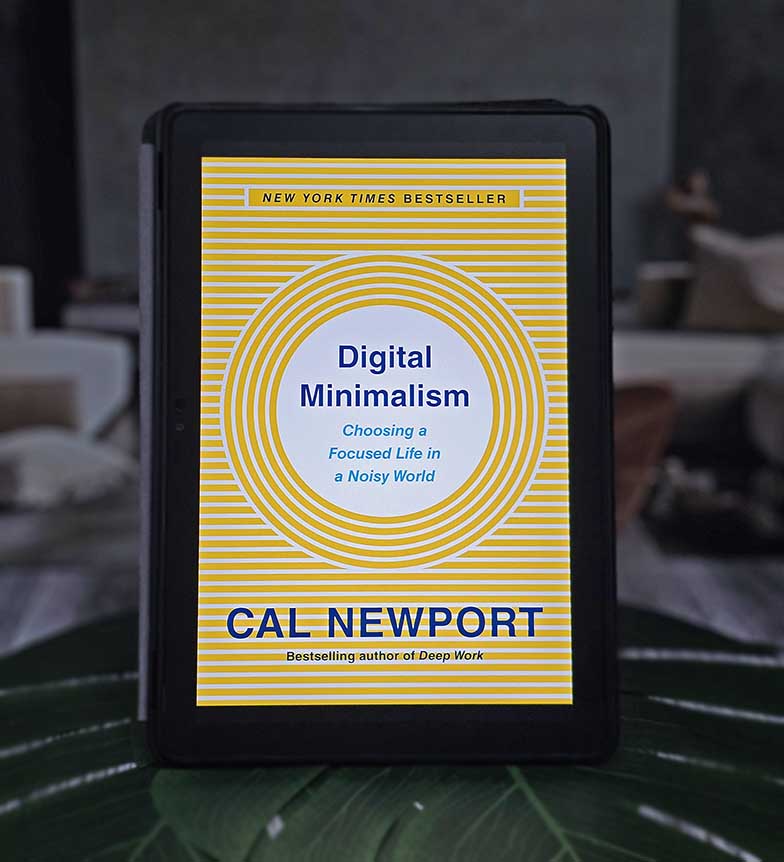
Digital Minimalism
by Cal Newport
A compelling philosophy for technology use in the modern age, arguing for a minimalist approach to digital tools. Cal Newport makes the case for being highly intentional about which technologies you allow into your life and how you use them.
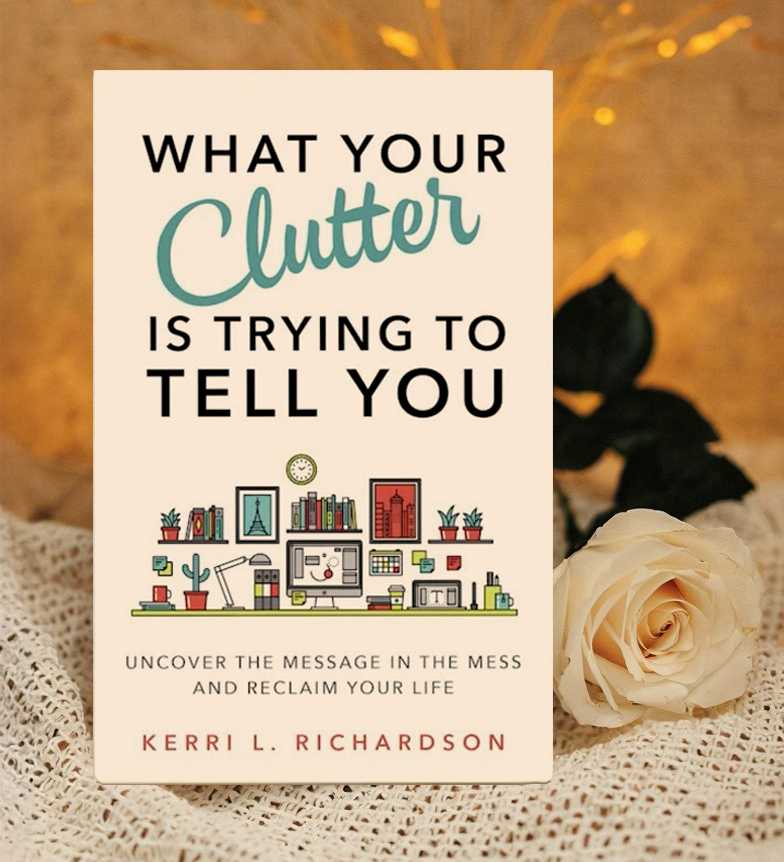
What Your Clutter is Trying to Tell You
by Kerri L. Richardson
A thoughtful exploration of the emotional and psychological aspects of clutter. Richardson goes beyond simple organizing tips to examine what our possessions reveal about our inner lives and relationships.
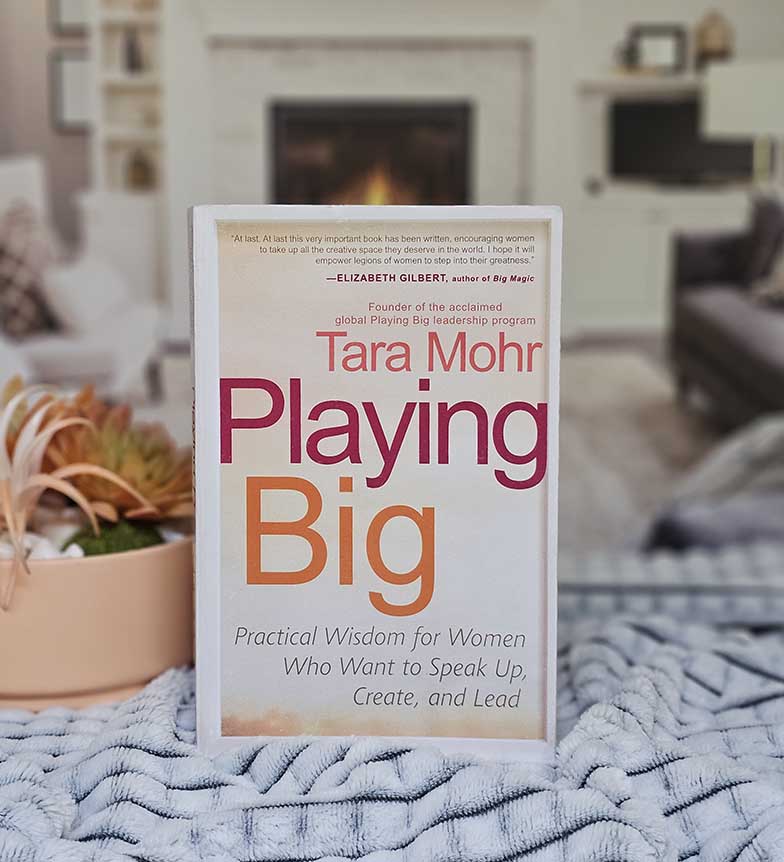
Playing Big
by Tara Mohr
A practical guide for women looking to step into their power and pursue their ambitions. Tara Mohr offers tools to quiet your inner critic, recognize your unique calling, and take bold action.