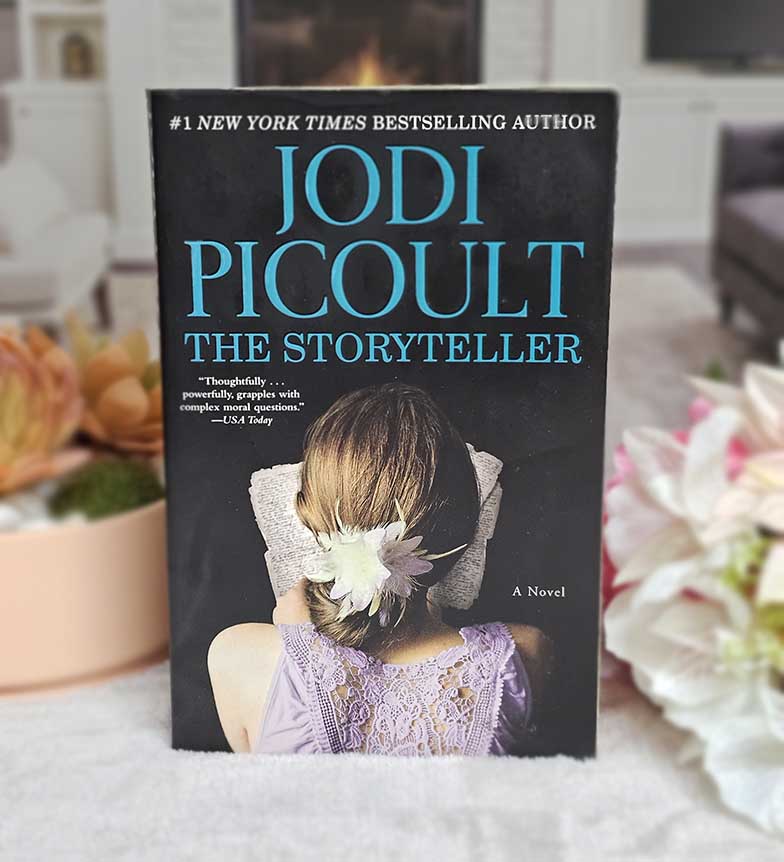
The Storyteller
by Jodi Picoult
Jodi Picoult's powerful novel about Sage Singer, a baker who befriends a 90-year-old man who confesses to being an SS officer at Auschwitz and asks her to help him die. A profound exploration of forgiveness, justice, and whether some crimes are unforgivable, told through multiple perspectives and timelines.
Buy this book:
Spoiler Warning
This review may contain spoilers. Read at your own discretion if you haven't finished the book yet.
My Thoughts
The Storyteller is Jodi Picoult tackling the biggest moral questions imaginable—forgiveness, justice, guilt, and whether some crimes transcend the possibility of redemption. The result is ambitious, often powerful, occasionally flawed, and never less than thought-provoking. This is Picoult at her most serious, taking on the Holocaust with research, sensitivity, and genuine moral complexity.
The contemporary storyline follows Sage Singer, a baker who works nights, carries visible and invisible scars from an accident that killed her mother, and generally hides from life. She befriends Josef Weber, a beloved 90-year-old retired teacher and pillar of the community. Their friendship deepens until Josef reveals a devastating secret: he was an SS officer at Auschwitz. He asks Sage, whose grandmother is a Holocaust survivor, to help him die—to grant him the forgiveness and absolution he seeks.
This premise creates an extraordinary moral dilemma. Can a Nazi war criminal be forgiven? Who has the right to forgive—the victim? Their descendants? God? Should someone who committed atrocities but lived a good life afterward receive mercy? Is it even mercy to grant the death he requests? Does motive matter—does Josef genuinely repent or does he simply want to avoid exposure?
Picoult explores these questions from multiple angles, wisely avoiding easy answers. Sage is torn between her connection to Josef (who genuinely befriended her before the revelation) and her grandmother's experience as a survivor. The moral calculus is genuinely complex—this isn't a simple case of punishing evil but wrestling with what justice means decades later, whether forgiveness is even possible, and who has authority to make these decisions.
The structure uses multiple timelines and perspectives. Sage's contemporary story alternates with her grandmother Minka's testimony about her Holocaust experience, including time in the Łódź Ghetto and Auschwitz. There's also Josef's account of his past (which may or may not be truthful) and sections featuring a fable Minka wrote about a monster and a girl.
Minka's Holocaust testimony is the book's most powerful section. Picoult conducted extensive research, and it shows—the details of ghetto life, the impossible choices, the dehumanization, the arbitrary cruelty, and the moments of unexpected humanity are rendered with specificity and respect. This is harrowing material handled thoughtfully, never exploitative or gratuitous.
The ghetto sections particularly impressed me—showing the gradual tightening of restrictions, the impossible choices about resistance versus compliance, the internal politics of the Judenrat, and the way normal life persisted alongside horror. Minka's experiences feel individual and specific while representing larger historical reality.
The Auschwitz sections are necessarily brutal but handled with restraint. Picoult doesn't dwell on suffering pornographically but shows enough to make clear the reality without sensationalizing. The focus stays on Minka's psychological survival and the human connections that sustained her.
The fable Minka writes—told in sections throughout—provides metaphorical framework for thinking about monsters, guilt, and redemption. It's a dark fairy tale that comments on the main narrative, sometimes effectively, occasionally too obviously. The symbolic parallels are clear, which works thematically but can feel heavy-handed.
Sage as protagonist is well-drawn—someone hiding from life after trauma, carrying survivor's guilt about her mother's death, isolated and ashamed of her facial scar. Her friendship with Josef makes sense psychologically (two outsiders, night owls, both carrying secrets) even as it sets up the central moral crisis.
The contemporary thriller plot that develops—involving Justice Department Nazi hunters, questions about Josef's true identity, and Sage's decision about what to do—adds momentum but sometimes feels at odds with the book's more contemplative moral exploration. The thriller mechanics occasionally simplify what works better as ambiguous moral question.
Josef's character is intentionally ambiguous—is he genuinely repentant or manipulative? Does his account of his past reflect truth or self-serving revision? Is he a human who did monstrous things or a monster who can simulate humanity? Picoult wisely leaves this unresolved, forcing readers to sit with uncertainty.
The romance subplot between Sage and Leo (the Nazi hunter) feels somewhat obligatory and underdeveloped compared to the larger themes. It provides personal stakes and hope for Sage's healing, but it's the least interesting element of the narrative.
Picoult's research is impressive—she consulted with Holocaust survivors, visited concentration camps, worked with experts, and it shows in the authenticity of detail. She handles this material with appropriate gravity and respect, avoiding the pitfalls that can occur when fiction tackles historical atrocity.
However, there are limitations. The structure, while ambitious, sometimes fragments narrative momentum. Moving between timelines, perspectives, and the fable interrupts flow. The transitions can be jarring, pulling readers out of emotional engagement just as intensity builds.
The writing is Picoult's typical style—clear, accessible, focused on moral questions and emotional stakes rather than stylistic innovation. It's effective for the material but not particularly distinctive. Some passages are powerful; others feel workmanlike.
The ending, without spoiling specifics, provides resolution to the thriller plot while leaving larger moral questions appropriately unresolved. Some readers will find this satisfying; others may want more definitive answers to the ethical dilemmas raised.
The book raises important questions about how societies deal with historical atrocity and aging perpetrators. With few Holocaust survivors and perpetrators remaining alive, questions about justice, memory, and forgiveness become increasingly urgent. Picoult engages with these timely issues thoughtfully.
Why You'll Love It
- Moral Complexity: No easy answers to profound questions
- Holocaust Testimony: Powerful, well-researched, respectful
- Central Dilemma: Genuinely difficult ethical question
- Multiple Perspectives: Rounds out the narrative
- Character Depth: Sage is well-drawn protagonist
- Historical Detail: Authentic, specific, researched
- Thought-Provoking: Will generate discussion
- Ambitious Scope: Tackles biggest moral questions
Perfect For
Readers interested in Holocaust fiction and testimony, book clubs tackling serious moral questions, fans of Jodi Picoult's issue-driven novels, those drawn to ethical dilemmas without simple solutions, and anyone interested in questions about forgiveness, justice, and guilt. Essential reading for discussions about how societies confront historical atrocity.
Final Verdict
The Storyteller is ambitious, powerful, and deeply serious—Jodi Picoult taking on the Holocaust and questions of forgiveness, justice, and redemption with research, sensitivity, and genuine moral complexity. The central dilemma is extraordinary: should a Holocaust survivor's granddaughter help an elderly Nazi die? Picoult explores this from multiple angles without offering easy answers, which is exactly right for material this weighty. Minka's Holocaust testimony is the book's strongest element—harrowing, specific, respectful, and clearly well-researched. The ghetto and camp sections are powerful without being exploitative. Sage is well-drawn, her friendship with Josef psychologically credible even as it sets up moral crisis. Josef's ambiguity works—we never know fully what to believe about his repentance, which forces readers to grapple with uncertainty. However, the multi-timeline structure sometimes fragments momentum, and the contemporary thriller plot occasionally simplifies what works better as moral ambiguity. The romance subplot feels underdeveloped. The fable sections are sometimes too obviously symbolic. The writing is clear and effective but not distinctive. Still, this is Picoult at her most serious and successful, tackling enormous questions with appropriate gravity and complexity. Highly recommended for readers wanting Holocaust fiction that combines historical testimony with contemporary moral questions, and essential for book clubs ready to grapple with difficult ethical dilemmas.
You Might Also Like
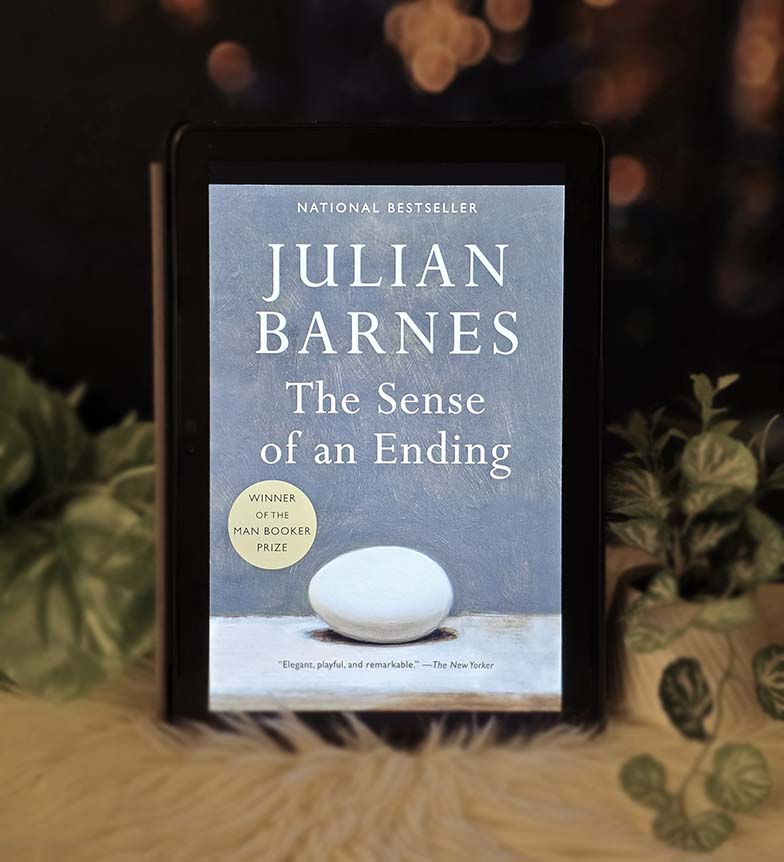
The Sense of an Ending
by Julian Barnes
Julian Barnes' Man Booker Prize-winning novel about Tony Webster, who revisits his past when an unexpected bequest forces him to reconsider memories of his youth, first love, and a friend's suicide. A profound meditation on memory, time, and how we construct narratives about our lives.
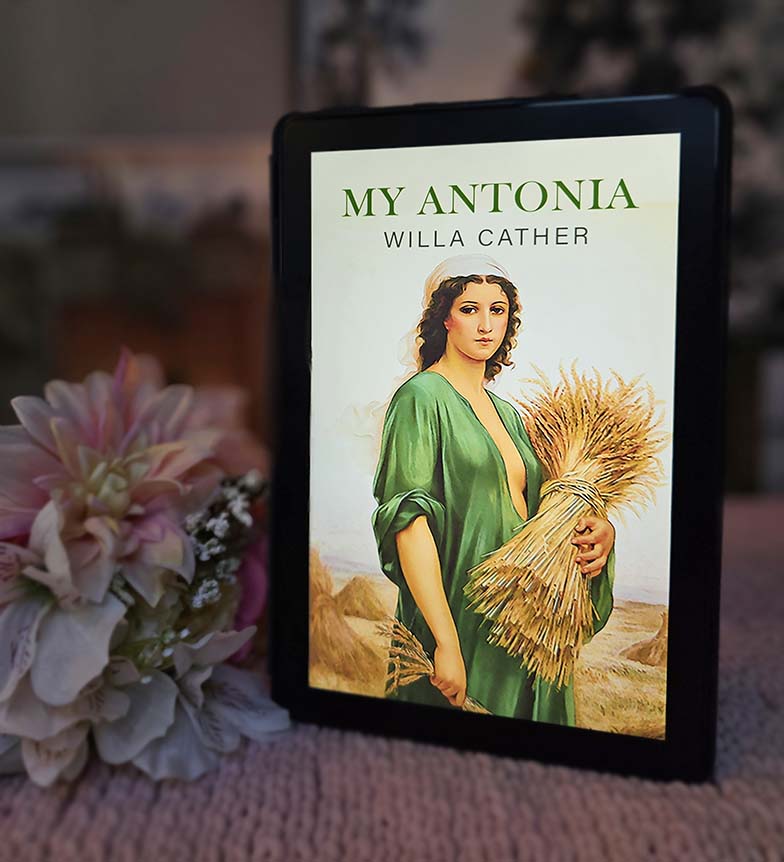
My Ántonia
by Willa Cather
Willa Cather's American masterpiece about Ántonia Shimerda, a Bohemian immigrant girl on the Nebraska prairie, told through the nostalgic memories of childhood friend Jim Burden. Luminous prose, elegiac tone, and one of literature's most enduring portraits of pioneer life and immigrant experience.
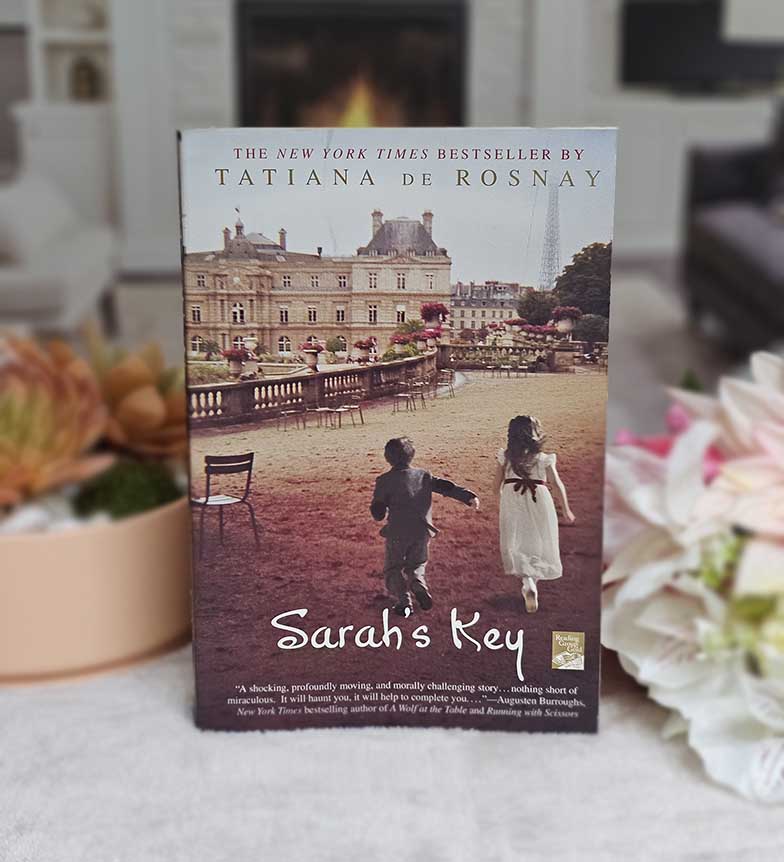
Sarah's Key
by Tatiana de Rosnay
Tatiana de Rosnay's haunting dual-timeline novel about Sarah, a Jewish girl hiding her brother during the 1942 Vel d'Hiv roundup in Paris, and Julia, an American journalist in 2002 uncovering her family's connection to Sarah's story. A powerful exploration of complicity, memory, and the lasting echoes of historical atrocity.