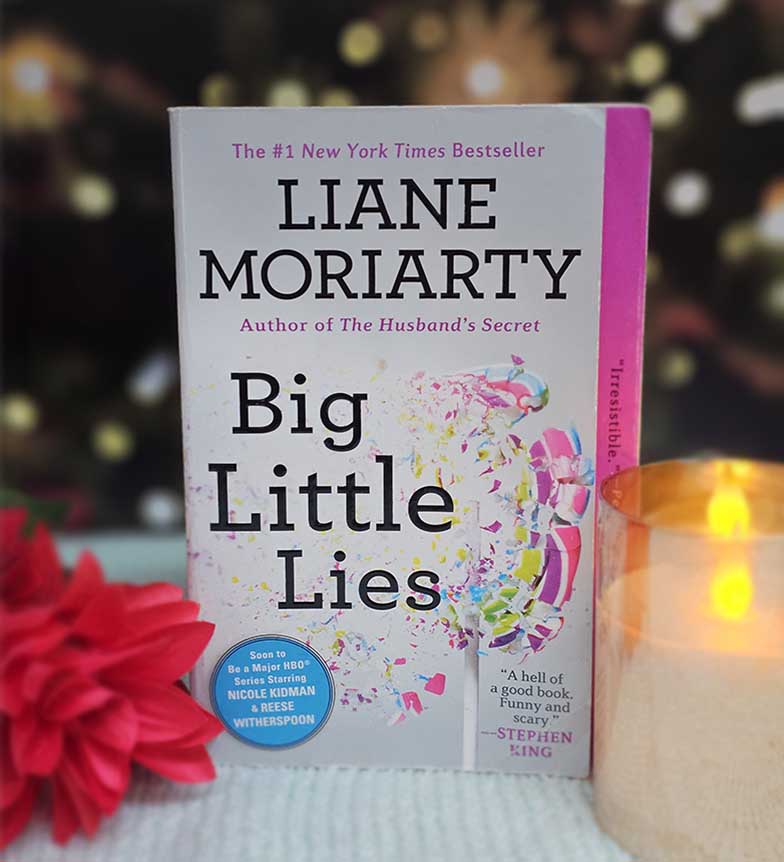
Big Little Lies
by Liane Moriarty
Liane Moriarty's addictive mystery about three women in an affluent Australian beach community whose seemingly perfect lives unravel over a school year, culminating in murder at the kindergarten trivia night. Smart, funny, and surprisingly dark exploration of marriage, motherhood, and secrets.
Buy this book:
Spoiler Warning
This review may contain spoilers. Read at your own discretion if you haven't finished the book yet.
My Thoughts
Big Little Lies is that rare commercial fiction that's genuinely smart, addresses serious issues, and remains compulsively readable. Liane Moriarty has crafted a page-turner that works both as entertaining mystery and as thoughtful exploration of motherhood, marriage, domestic abuse, and the facades we maintain. The HBO adaptation brought this wider attention, but the novel stands strong on its own merits.
The setup is brilliant: we know from the opening pages that someone dies at the kindergarten trivia night, and that death is somehow connected to three women—Madeline, Celeste, and Jane—whose children are starting kindergarten together. The novel then flashes back to the beginning of the school year and follows the women's friendships, their family lives, and the escalating tensions in their beach community, all while jumping forward to police interviews after the death. Who died? Who killed them? Why?
The structure creates perfect suspense. We watch events unfold knowing they lead to tragedy, but uncertain how. Small moments take on ominous weight. Conflicts that seem petty (school fundraising disputes, playground politics) become potentially deadly serious. The tension builds steadily even as the domestic comedy and character development keep things entertaining.
The three main characters are well-drawn and distinct. Madeline is passionate, loyal, sometimes impulsive—still processing her ex-husband's affair and remarriage, fiercely protective of her children, unable to let perceived injustices go. Celeste appears to have a perfect life—beautiful, wealthy, handsome husband, twin boys—but is trapped in an abusive marriage. Jane is young, single, poor by comparison, haunted by the sexual assault that resulted in her son's conception.
Moriarty handles domestic violence with surprising sophistication. Celeste's storyline could easily be exploitative or simplified, but instead we get nuanced portrayal of how abuse works—the cycle of violence and apology, the way abusers isolate victims, how external perfection masks private horror, the complex mix of love and fear that keeps victims trapped, the shame that prevents disclosure.
The depiction of Celeste's internal conflict is particularly strong—she knows objectively that the violence is wrong, that she should leave, but she's also caught in patterns of trauma bonding, fear of single parenthood, concern about her children, financial dependence despite her wealth, and genuine love for the man who hurts her. Moriarty doesn't judge her for not leaving immediately; instead, she shows the complexity that makes leaving so difficult.
Jane's storyline about processing sexual assault and single motherhood is handled with similar care. The way trauma affects her—hypervigilance, anxiety, the way seeing her rapist's features in her beloved son creates complicated feelings—is realistic and sympathetic. Her journey toward healing and her friendship with Madeline and Celeste provides support without suggesting that friendship alone fixes trauma.
Madeline's storyline is lighter but not trivial—dealing with her ex-husband's new wife (younger, calmer, somehow getting along with Madeline's teenage daughter better than Madeline does), navigating her current marriage, wrestling with her own aging and relevance. Her sections provide comic relief and energy while still addressing real concerns about identity, aging, and marriage.
The beach community setting is vividly rendered—the beautiful houses, the complicated school politics, the wealth and privilege, the way social hierarchies form around parenting choices and school involvement. Moriarty gently satirizes the absurdity of some conflicts (organic food wars, fundraising competition) while recognizing that these communities and concerns are real to the people in them.
The school parent politics are both funny and cutting. The petition against a child suspected of bullying, the competitive fundraising, the judgment about working versus stay-at-home mothers, the cliques and alliances—it's simultaneously ridiculous and recognizably real. Moriarty mines this for comedy without losing sight of how these dynamics can exclude and harm.
The supporting characters are vivid—from Renata, the wealthy working mother leading the charge against Jane's son, to the various gossipy parents providing Greek chorus commentary, to Madeline's teenage daughter navigating her parents' complicated relationships. Even minor characters feel specific rather than generic.
The mystery structure works well. The question of who died and who's responsible drives the narrative forward, with enough red herrings and misdirection to keep readers guessing. The final revelation is surprising yet inevitable in retrospect—once you know, you see how it was set up throughout.
However, the mystery framework also creates some tonal inconsistency. The book oscillates between domestic comedy (school politics, parenting absurdities, romantic comedy elements) and serious issues (abuse, sexual assault, trauma). Sometimes this balance works brilliantly; occasionally, the tonal shifts feel jarring.
The resolution, while satisfying in mystery terms, requires some suspension of disbelief about how certain events play out and what characters choose to do afterward. Without spoiling specifics, the ending demands acceptance of some choices that are understandable emotionally but questionable practically and ethically.
The prose is accessible and engaging—Moriarty writes with humor, warmth, and sharp observation. The dialogue is natural and often funny. The pacing is excellent, balancing character development with plot momentum. At 460 pages, it's long but moves quickly.
The use of testimonies from other parents after the death is clever—providing outside perspective, advancing mystery, and creating community context. These voices show how events look from outside versus inside, how gossip distorts truth, and how observers miss what's really happening.
Why You'll Love It
- Addictive Mystery: Compelling page-turner structure
- Smart Character Work: Three distinct, well-developed protagonists
- Serious Issues: Domestic violence and sexual assault handled thoughtfully
- Humor: Funny observations about parenting and privilege
- Great Setting: Vivid Australian beach community
- Timely Themes: Female friendship, motherhood, marriage
- Strong Pacing: Balances plot and character perfectly
- Satisfying Resolution: Mystery pays off
Perfect For
Fans of domestic suspense and mysteries with substance, readers who loved the HBO adaptation and want the source material, book clubs looking for entertaining reads that spark discussion, anyone interested in thoughtful treatment of domestic violence and sexual assault in fiction, people who enjoy satire of affluent parenting culture, and readers seeking page-turners that don't sacrifice intelligence for entertainment.
Final Verdict
Big Little Lies succeeds both as entertaining mystery and as thoughtful exploration of serious issues. Moriarty creates three compelling protagonists whose lives intersect in an affluent beach community where perfect facades mask painful realities. The mystery structure generates genuine suspense—we know someone dies but not who or how—while allowing space for character development and thematic depth. The domestic violence storyline is handled with sophistication, showing the complexity that keeps victims trapped without judgment or simplification. The sexual assault storyline treats trauma and healing with care. The school parent politics provide humor and satire without losing sight of real community dynamics. The prose is accessible and engaging, the pacing excellent, and the characters vivid. However, tonal shifts between comedy and serious issues sometimes feel jarring, and the resolution requires some suspension of disbelief. The mystery framework occasionally constrains deeper exploration of themes. But these are minor issues in what's overall a smart, entertaining, and surprisingly substantial novel. This is commercial fiction done right—a page-turner that also has something to say. Highly recommended for readers wanting both entertainment and substance, and essential for anyone interested in thoughtful treatment of domestic violence in popular fiction.
You Might Also Like

Somebody's Daughter
by Rochelle B. Weinstein
A contemporary women's fiction novel about a mother and daughter whose lives are upended when a long-buried secret about the daughter's adoption comes to light, forcing both to reckon with identity, belonging, and what makes a family.
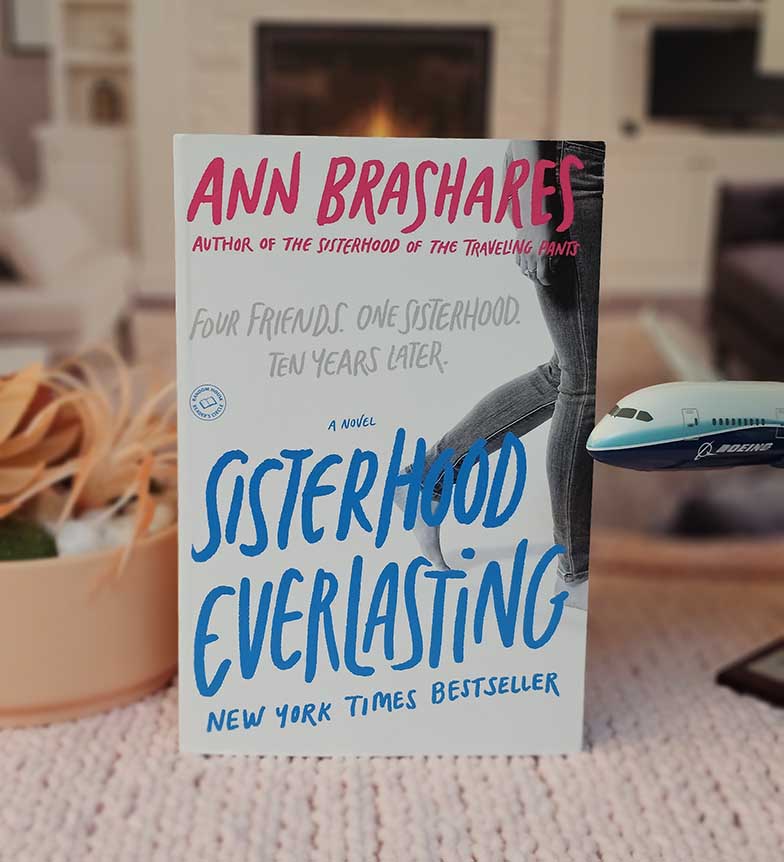
Sisterhood Everlasting
by Ann Brashares
Ten years after college, the Sisterhood reunites in Greece for what should be a joyful reunion. Then tragedy strikes, changing everything forever.
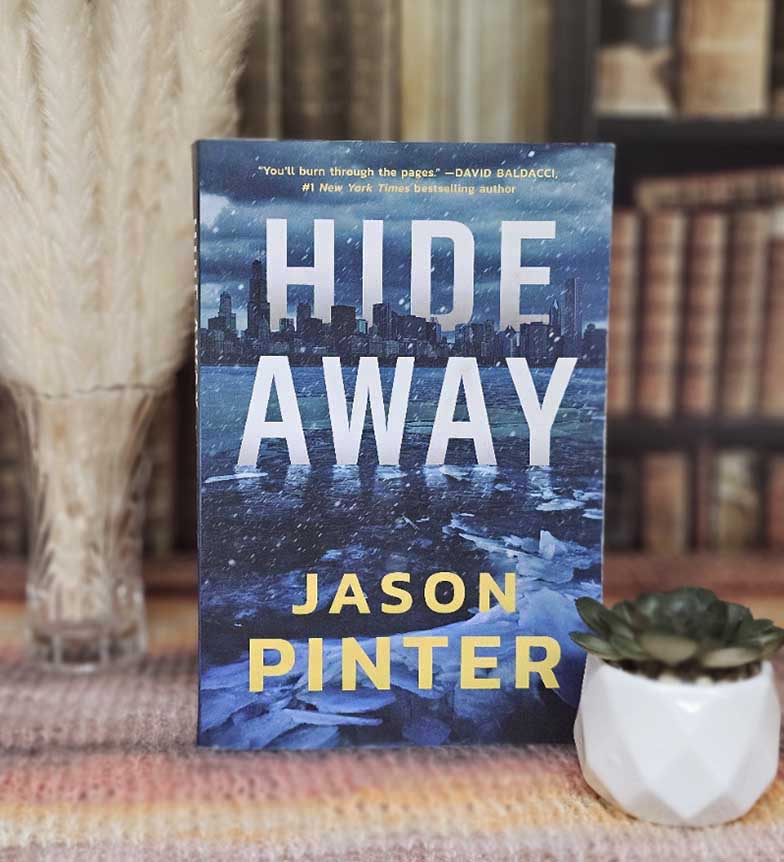
Hide Away
by Jason Pinter
A gripping thriller about a woman living in witness protection who must confront her past when her carefully constructed new life begins to unravel. Rachel Marin's secrets threaten to destroy everything she's built to protect her children.