
Somebody's Daughter
by Rochelle B. Weinstein
On the night of her twin daughters' fifteenth birthday party in Miami Beach, Emma Ross's life cracks open: a private, humiliating moment of her quieter twin Zoe ends up online, the video goes viral, and the public scandal that follows surfaces a set of Emma's own old secrets that her marriage and her family were not built to hold.
Buy this book:
Spoiler Warning
This review may contain spoilers. Read at your own discretion if you haven't finished the book yet.
A Charmed Miami Beach Family, a Fifteenth Birthday, and the Video That Was Never Meant to Be Anyone's
Emma and Bobby Ross have, by any reasonable metric, the life. They live in Miami Beach. They run a successful business together. Their marriage works the way marriages are supposed to work in the curated version of family life. They have twin fifteen-year-old daughters - Zoe, the quieter one, and Lily, the louder one - and the household has been, until the night this book opens on, the kind of household most parents would have signed up to build. Then, at the twins' fifteenth birthday party, something that Zoe did privately and intended to remain private surfaces publicly. The video goes online. The video goes viral. By the next morning, the Ross family has stopped being the model family they were and has become the family the rest of Miami Beach is talking about - and Emma, the mother who has spent fifteen years building the life her daughter has just had detonated under her, has to decide how she is going to mother through a scandal she did not anticipate and is not, she will discover, equipped to navigate without revisiting parts of her own past she had assumed were closed.
Rochelle B. Weinstein's novel is, structurally, two books at once. It is a contemporary domestic-suspense story about cyber sexual harassment, the way a single private moment can become a public artifact, and the specific cost a fifteen-year-old girl pays for being on the wrong end of a video she did not consent to having shared. It is also a mother-daughter novel about Emma's own secrets, which the daughter's situation forces her to look at again. A 3.0 reflects: a book whose subject matter is urgent and whose craft is uneven - real emotional clarity in places, melodrama in others, a closing third that resolves more tidily than the setup deserves.
Zoe, the Video, and What "Going Viral" Actually Means
The book's clearest contribution is the careful, unsensationalizing way it walks through what happens to a teenage girl when an intimate video moves from private to public on the timescale of contemporary social media. Zoe is the quieter twin - the one who has been overshadowed, on most ordinary days, by her louder sister - and the moment of vulnerability that ends up online is exactly the kind of mistake fifteen-year-olds make and used to be allowed to make in private. The new reality is that the mistake does not stay private. By morning the entire school has seen it. By the end of the week, people Zoe will never meet have seen it. By the end of the month, the consequences are still propagating outward in ways no fifteen-year-old has the equipment to manage.
Weinstein takes this seriously. The book is not interested in titillating the reader with the content of the video; it is interested in the architecture of what comes after - the school administrators, the police consultations, the friends who go quiet, the boys who get away with what they did with the file, the slow, dignity-eroding negotiation Zoe has to do with the fact that the most humiliating moment of her life is permanently searchable.
Emma's Own Past, and the Mother She Did Not Plan to Be This Year
The dual-timeline element of the book is Emma's own life. The daughter's scandal stirs up memories Emma has been keeping closed for years - secrets that pre-date the marriage, that her husband does not know, that have to do with the version of herself she was before she became somebody's wife and somebody's mother. The book does not telegraph what those secrets are early; Weinstein lets them surface gradually, in the rhythm of a parent watching her child go through something the parent has, in a different shape, also gone through. The mother-daughter parallel is the book's quietest piece of writing and the part that worked most consistently for me. Emma's shame is not the shame Zoe is feeling, but the two are the same family of feeling, and the book honors the resemblance.
What the book is most clearly arguing, across both timelines, is that the cultural register for women's mistakes - the specific kind of public shame that gets attached to private moments when the public finds out about them - has not improved meaningfully across a generation. Emma carries hers in private; Zoe carries hers in public. The cost is the same; the mechanism is different.
What Strains, and What Lands Anyway
The reservations are mostly craft reservations. The dialogue, in stretches, has the polished-quippy texture of a book in which characters are advancing the theme rather than talking; the supporting cast (Bobby, Lily, the school administrators, the teen friend group) is sketched cleanly without depth; the closing chapters resolve more neatly than the setup honestly supports, with a kind of women's-fiction tidiness that smooths the harder edges of what Zoe and Emma have just lived through. Weinstein's sympathies are with her characters and her sympathies sometimes outrun her willingness to make her readers stay in the discomfort.
What lands anyway is the central argument: that the digital infrastructure under contemporary teenage life has changed the cost of adolescent mistakes in ways the existing literature on coming-of-age was not built for; that mothers raising daughters into this environment are doing it without a manual; and that the shame attached to being on the wrong end of a video gets distributed unfairly across a structure that should be punishing the people who shared it rather than the person depicted in it.
A 3.0 means: a book whose subject is urgent and whose execution is uneven, recommended to readers who can take the women's-fiction packaging in stride and engage with the harder material it is wrapping, and gently warned about for readers who want this register handled with sharper craft.
Rating: 3.0/5 ⭐
Perfect for: Readers of Jodi Picoult-adjacent issue-driven women's fiction, parents of teenagers who want a novel that takes contemporary digital-life realities seriously, book clubs looking for discussable material on consent, shame, and intergenerational silence.
Skip if: You bounce off issue-novel structures, you find melodramatic women's-fiction prose grating, or stories about non-consensual sharing of intimate images of teenagers are too close to your reading window right now.
You Might Also Like
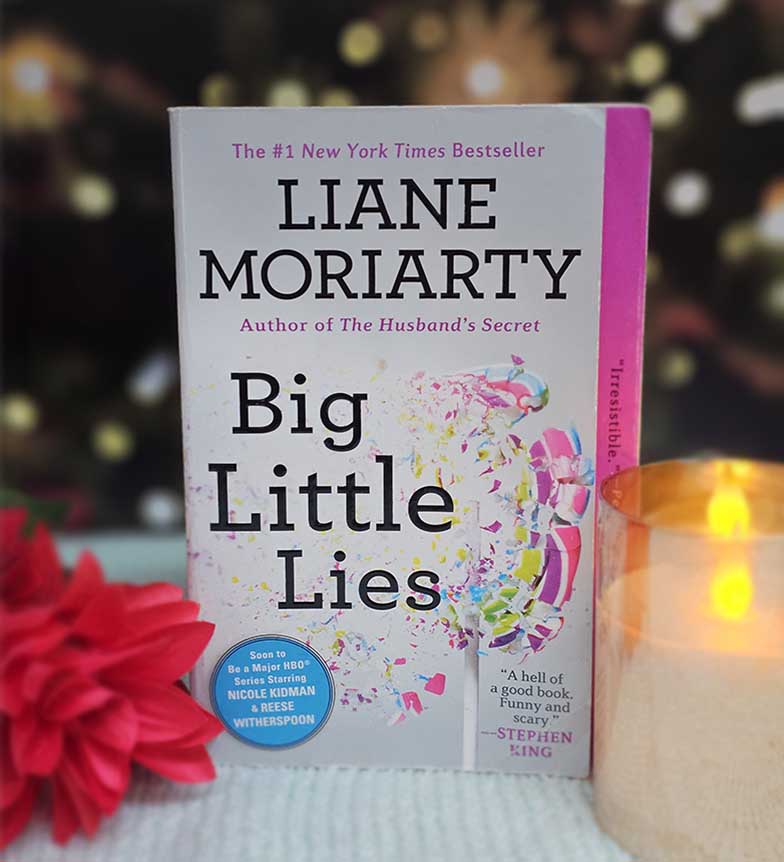
Big Little Lies
by Liane Moriarty
Liane Moriarty's 2014 novel about three mothers at a Sydney kindergarten - Madeline, Celeste, and Jane - whose first school year together is structured around the countdown to a Trivia Night that ends with somebody dead on the pavement, and around the much smaller and much larger lies the rest of the parent community has been telling itself the whole time. Domestic-suspense with actual satire and an actual position on what it is taking on.
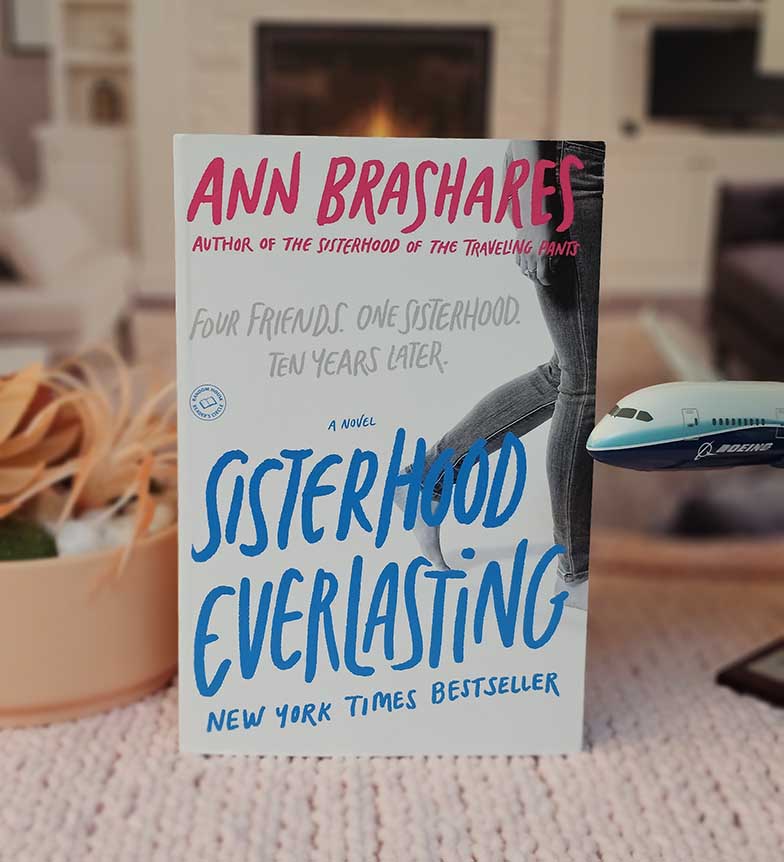
Sisterhood Everlasting
by Ann Brashares
Ten years after college, the Sisterhood reunites in Greece for what should be a joyful reunion. Then tragedy strikes, changing everything forever.
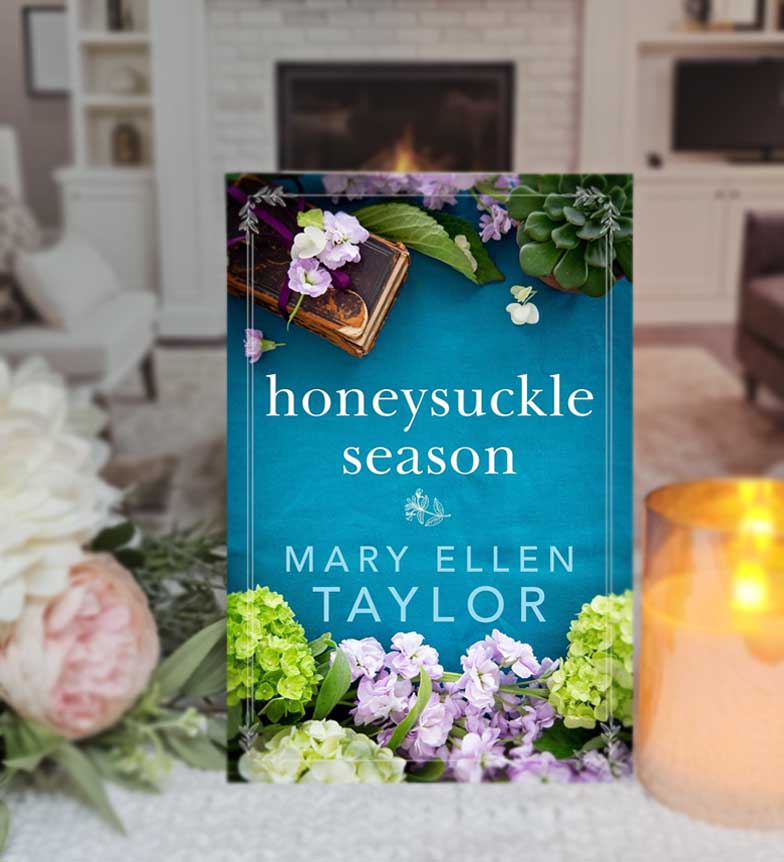
Honeysuckle Season
by Mary Ellen Taylor
Wedding photographer Libby McKenzie - newly home to Virginia after a divorce, multiple miscarriages, and her father's death - takes a job photographing a wedding at the Woodmont estate in the Blue Ridge Mountains, becomes drawn to its honeysuckle-overgrown greenhouse, and pulls a thread that runs back through the estate's owner Elaine, a 1940s teen named Sadie, and the closed adoption Libby has carried questions about her whole life.