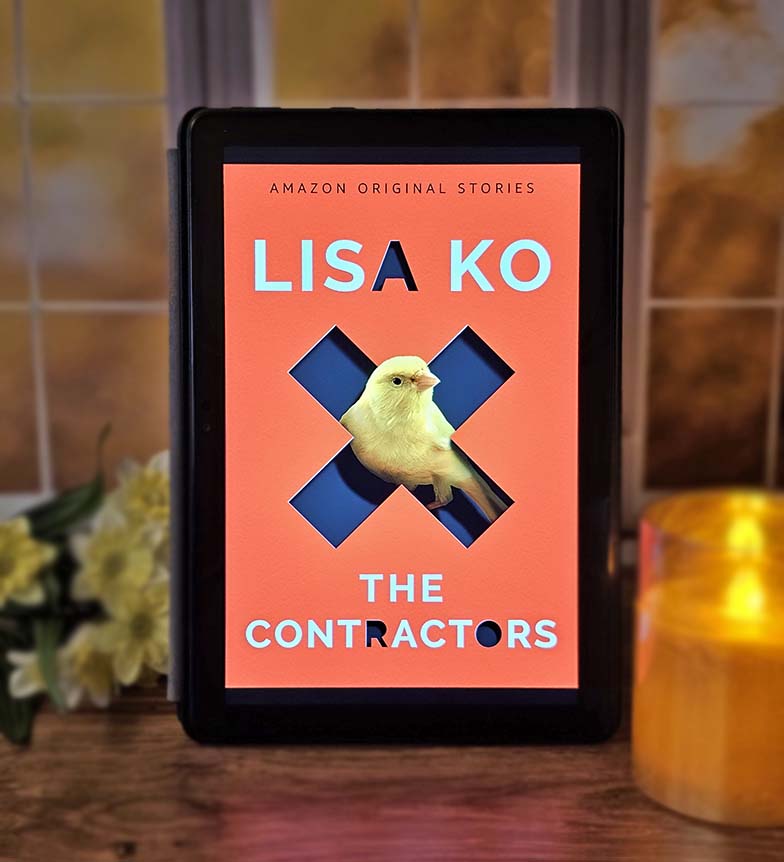
The Contractors
by Lisa Ko
A tech reporter's misdirected email connects two women eight thousand miles apart - both named Sandra Guzman, both contract content moderators for the same mega social media platform, one in New Jersey and one in the Philippines - and the friendship that grows between them across the inbox starts to look, by the end, like the beginning of a campaign.
Buy this book:
Spoiler Warning
This review may contain spoilers. Read at your own discretion if you haven't finished the book yet.
Two Sandra Guzmans, One Mega-Platform, and the Email That Was Supposed to Go to Only One of Them
The premise is the kind of conceit a journalist would set up if a journalist were writing fiction, which Lisa Ko effectively is. Two women named Sandra Guzman work as contract content moderators for the same mega social media platform - one of them based in New Jersey, the other based eight thousand miles away in the Philippines. They have never met. They do the same job: scrolling through whatever the platform's users have uploaded that the algorithms flagged - the violence, the abuse, the extremism, the pornography, the things people put on the internet that the rest of the internet has paid these two women a contractor's wage to keep from seeing. They have, until now, no reason to know each other exists. Then a tech reporter, working on a story about the platform's labor practices, sends an email to the wrong Sandra Guzman, and both of them end up cc'd on the same thread. They start emailing each other directly. They compare notes.
Lisa Ko's contribution to Amazon's Out of Line short-story collection - the same series that gave us Cheryl Strayed's This Telling, Roxane Gay's Graceful Burdens, and Caroline Kepnes's Sweet Virginia - is the most journalistic of the entries I've read. Ko is the author of the National Book Award-shortlisted The Leavers (2017), and her preoccupations - immigration, labor, the global ecosystem of underpaid work that holds up middle-class American life - sit squarely behind this thirty-something-page piece. The audiobook (about forty-five minutes, narrated by Lea Salonga) is the form most readers will want. A 3.0 reflects: a sharp premise rendered with real specificity, a structural compression that limits what the story can do with that premise, and a piece I respected more than I felt.
The Job, the Geography, and the Asymmetry
What the story does well early is establish the texture of content moderation as work. Both Sandras spend their days reviewing material that the rest of the platform's users will never have to see, on quotas that don't account for what looking at that material does to a person, with mental-health support that isn't really support. Ko renders the work without sensationalizing it; she doesn't enumerate horrors for shock value. She makes the reader feel the rhythm of the job - the queue that never empties, the seconds-per-review math, the specific exhaustion of a kind of work the public has been trained not to think about.
Around that shared work, the asymmetry: same job, same platform, same content, very different pay, very different hours, very different benefits, very different job security. The American Sandra has the higher wage. The Philippines-based Sandra has more of the harder material routed to her, on a contract structured to be terminable on a moment's notice. Both are contractors, classification-wise, which means neither has access to the platform's real labor protections. The platform profits from both. Each of them, before the emails, has assumed the other had it materially better - the American Sandra picturing a cheaper cost of living and a less stressful workday in the Philippines, the Philippines Sandra picturing the kind of stable life American workers in the imagined version of America are supposed to have. The emails make those assumptions visible. Then they take them apart.
The Friendship That Becomes a Plan
The arc of the story is the slow turn from professional comparison to personal sharing to political alliance. Ko is fair to the gradual nature of it - the friendship doesn't snap into existence in chapter two; it accretes. By the time the two of them are talking about doing something about what they've discovered - the impossible quotas, the trauma without therapy, the disposability built into the contractor classification, the way the company has been counting on its workers being too dispersed and too easily replaced to organize - the story has earned that pivot.
What it can't quite earn, at this length, is everything that would come after. The story ends close to the moment when the campaign is starting; what the campaign actually becomes - whether it works, whether the platform retaliates, whether the journalism the reporter was working on lands - is mostly outside the frame. That is, I think, the right ending for a forty-page piece, but it's also the part that pulls the rating to a 3 for me. The premise generates more book than this story is allowed to give it.
What the Format Holds and What It Doesn't
The strengths: Ko's specificity about the work itself, the political clarity without preachiness, the moral seriousness about how American comfort runs on Filipino labor, the rendering of two women whose lives feel like lives even at this length. The reservations: the supporting cast (the reporter, the platform's faceless management, the families of both Sandras) is necessarily thin; the email-as-narrative device occasionally flattens what would have been more textured in straight prose; the closing pages, true to the Out of Line register, leave more open than I wanted them to.
A 3.0 here means: a serious, well-researched, well-intentioned short piece that deserved a longer treatment, by an author whose longer treatments are some of the best contemporary American fiction on labor and immigration. Read it for an hour. Then go pick up The Leavers.
Rating: 3.0/5 ⭐
Perfect for: Lisa Ko readers, anyone interested in the labor underbelly of social media platforms, listeners who'd hand Lea Salonga a forty-five-minute audiobook, readers of journalism-adjacent short fiction.
Skip if: You want fiction that lands a finished arc rather than the start of one, you find premise-driven short stories too schematic, or workplace exposé-flavored fiction is too close to your day job.
You Might Also Like
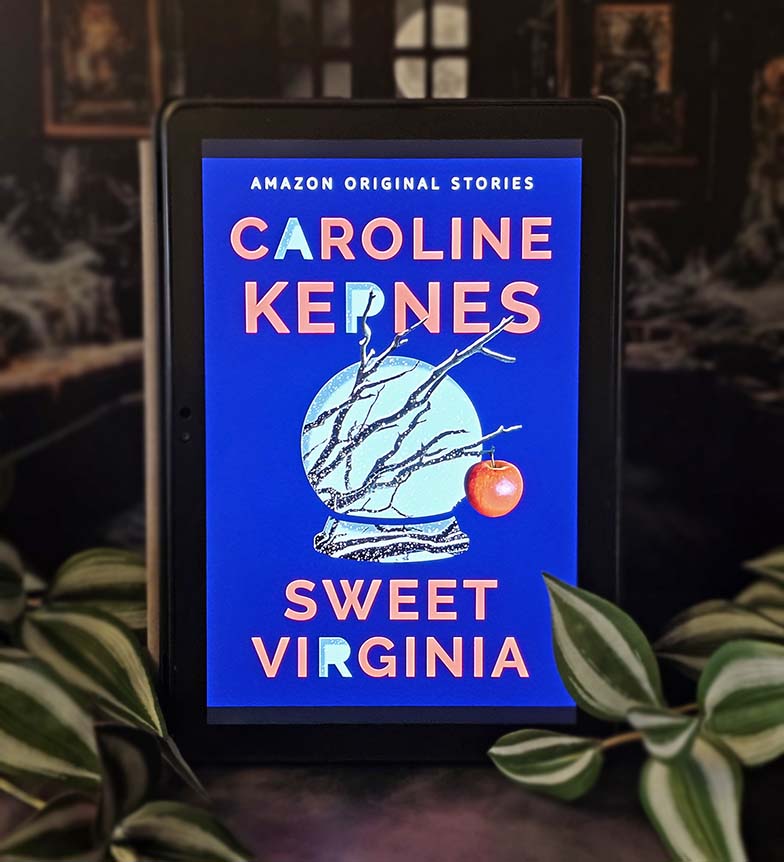
Sweet Virginia
by Caroline Kepnes
Caroline Kepnes's contribution to Amazon's Out of Line collection sends an exhausted, recently-fired new mother named Shelby chasing a Hallmark-movie fantasy with a secret admirer - and lands her, in a darkly comic Stepford Wives-meets-The Prisoner pivot, on a rehabilitation ranch for women classified W2 who must be retrained into W1 before they're allowed to go home.
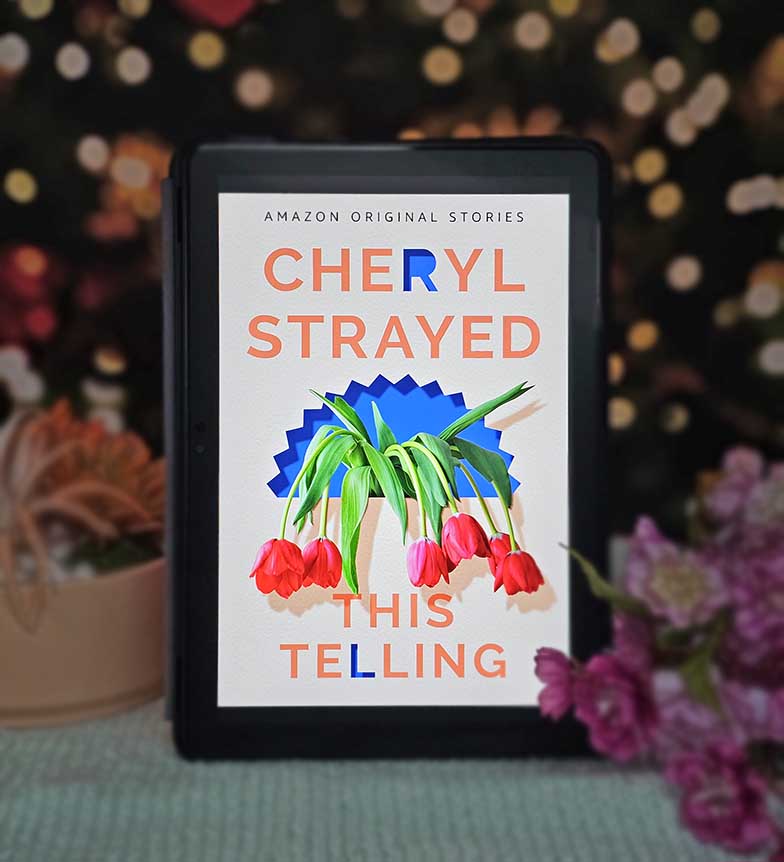
This Telling
by Cheryl Strayed
An Ancestry.com match arrives in the inbox of a woman who has spent forty-plus years pretending the baby she gave up for adoption in 1964 never existed - and Cheryl Strayed traces, in a tight short story for Amazon's Out of Line collection, what happens when a teenager named Geraldine Waters has to integrate the life she actually lived with the one she's been telling.
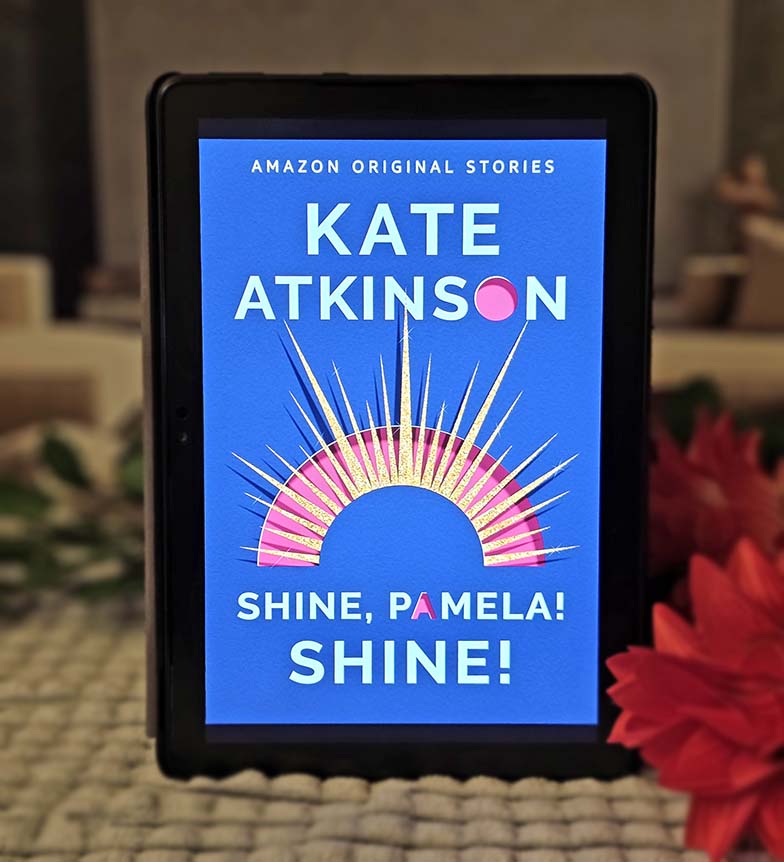
Shine, Pamela! Shine!
by Kate Atkinson
Kate Atkinson's contribution to Amazon's Out of Line collection follows Pamela - newly retired teacher, thoroughly divorced, mother to a thirty-year-old son who has refused to leave the house, devotee of the exclamation mark as a coping mechanism - through a stretch of disastrous online dating and into the tub for a bath that ends with the discovery that she is, somehow, post-menopausally and inexplicably, pregnant.