
Lighter Living
by Lisa J. Shultz
A practical and compassionate guide to simplifying your life by letting go of physical and emotional clutter. Lisa Shultz offers concrete strategies for creating space, reducing overwhelm, and living with greater intention and peace.
Spoiler Warning
This review may contain spoilers. Read at your own discretion if you haven't finished the book yet.
My Thoughts
Lighter Living stands out in the crowded field of decluttering and minimalism books by offering both practical strategies and emotional insight. Lisa Shultz understands that our relationship with stuff is rarely just about the stuff—it's about our fears, our memories, our sense of identity, and our hopes for who we might become. This compassionate understanding makes the book both more realistic and more helpful than many one-size-fits-all approaches.
What I appreciated most is Shultz's balanced approach. She's not advocating for extreme minimalism or suggesting that everyone needs to own only 100 things. Instead, she encourages readers to identify what "lighter living" means for them personally. The goal is not perfection but rather creating space—physical, mental, and emotional—for what truly matters.
The book is well-structured, moving from mindset work through practical strategies for different areas of life. Shultz addresses not just physical clutter but also digital overwhelm, schedule overcommitment, and emotional baggage. Each section includes concrete action steps that feel achievable rather than overwhelming.
I particularly valued her discussion of why we hold onto things—fear of waste, fear of losing memories, fear of not having enough, the "sunk cost" of money spent. By addressing these underlying emotions, Shultz helps readers understand their own resistance to decluttering, which is the first step toward overcoming it.
The writing is warm and encouraging without being preachy. Shultz shares her own struggles and setbacks, which makes her feel like a supportive friend rather than a guru. She acknowledges that lighter living is a process, not a destination, and that imperfection is normal and expected.
If I have one criticism, it's that some of the advice feels familiar if you've read other books in this genre. While Shultz's compassionate approach is distinctive, some of the practical strategies (like the KonMari method's "does it spark joy?" or the one-in-one-out rule) are well-trodden territory. However, she integrates these ideas into her own framework effectively.
Why You'll Love It
- Compassionate Approach: Understands the emotional side of clutter
- Balanced Perspective: Not extreme minimalism, just intentional living
- Practical Strategies: Concrete steps for different areas of life
- Addresses Root Causes: Explores why we hold onto things
- Encouraging Tone: Supportive rather than judgmental
- Beyond Physical Stuff: Covers digital clutter, schedule, emotions
- Realistic Expectations: Acknowledges setbacks and imperfection
- Accessible: Easy to read and implement
Perfect For
Anyone feeling overwhelmed by physical or mental clutter, readers who have struggled with traditional decluttering methods, those seeking a more balanced approach to minimalism, and people interested in the emotional and psychological aspects of simplifying. Great for readers who found Marie Kondo too extreme or who want to understand the "why" behind their clutter habits.
Final Verdict
Lighter Living is an excellent, compassionate guide to simplifying your life that goes beyond surface-level organizing advice to address the emotional roots of clutter. Shultz's balanced approach, practical strategies, and warm tone make this a valuable resource for anyone seeking to create more space—physical and mental—in their lives. While some advice is familiar, the overall framework and compassionate perspective make it worth reading even if you've explored minimalism before.
My Notes & Takeaways
Key Quotes
"Gradually, my priorities have shifted from being a consumer of things to a consumer of life. My home changed from a storage space to a sacred space. I began to feel less suffocated by stuff and now enjoy living a simplified life."
"Surrounding myself, instead, with my current interests and tastes felt exhilarating."
"No matter what stage you are in, acknowledging that our possessions, homes, and affairs can be problematic to those we leave behind is the first step toward taking proactive measures to reduce potential chaos and strife among those destined to deal with it."
"As we tidy our homes, we can organize our paperwork and legal documents too."
"Courtney Carver says, 'I finally figured it out. Instead of working so hard to make ends meet, work on having fewer ends.'"
"Who might you become with the growth that happens when you contemplate your purpose within this life? How will you feel when you drop stories, barriers, and material things that hold you back from living your best life now? Do you have a vision of what a freer life might look like? Ponder these and similar questions, consider some answers, and invariably, you will grow."
"Be mindful and prevent possible conflict surrounding your belongings. Aging often produces a waning of energy, and sadly, not all of us will maintain a sound mind. Possible disability, mental or physical, can relegate sorting and dispersing one's belongings to someone else who might not want the job."
"In The Shallows, Carr also suggests how important it is to periodically step away from our electronic gadgets: 'A series of psychological studies over the past twenty years has revealed that after spending time in a quiet, rural setting close to nature, people exhibit greater attentiveness, stronger memory, and generally improved cognition. Their brains become both calmer and sharper. The reason, according to attention restoration theory (ART) is that when people aren't being bombarded by external stimuli, their brains can, in effect, relax. They no longer have to tax the working memories by processing a stream of bottom-up distractions. The resulting state of contemplativeness strengthens their ability to control their mind.'"
"...dropping comparisons and becoming thankful for what one has already can be liberating, and may also be more sustainable for the environment."
"Fumio Sasaki says, 'Unlike our material possessions, our experiences are inside ourselves, and we can take them with us any place we go. No matter what may happen to us, the experiences are ours to keep.'"
"In an article entitled 'The Unbearable Heaviness of Clutter', featured in The New York Times on January 3, 2019, Ferrari states, 'Procrastination is closely tied to clutter because sorting through and tossing items is a task that many people find unpleasant and avoid.'"
"Ferrari goes on to say, 'The findings add to a growing body of evidence that clutter can negatively impact mental well-being, particularly among women. Clutter can also induce a physiological response, including increased levels of cortisol, a stress hormone.'"
"Kingston says, '"Clutter accumulates when energy stagnates, and likewise, energy stagnates when clutter accumulates. So the clutter begins as a symptom of what is happening with you in your life and then becomes part of the problem itself because the more of it you have, the more stagnant energy it attracts to itself.'"
You Might Also Like
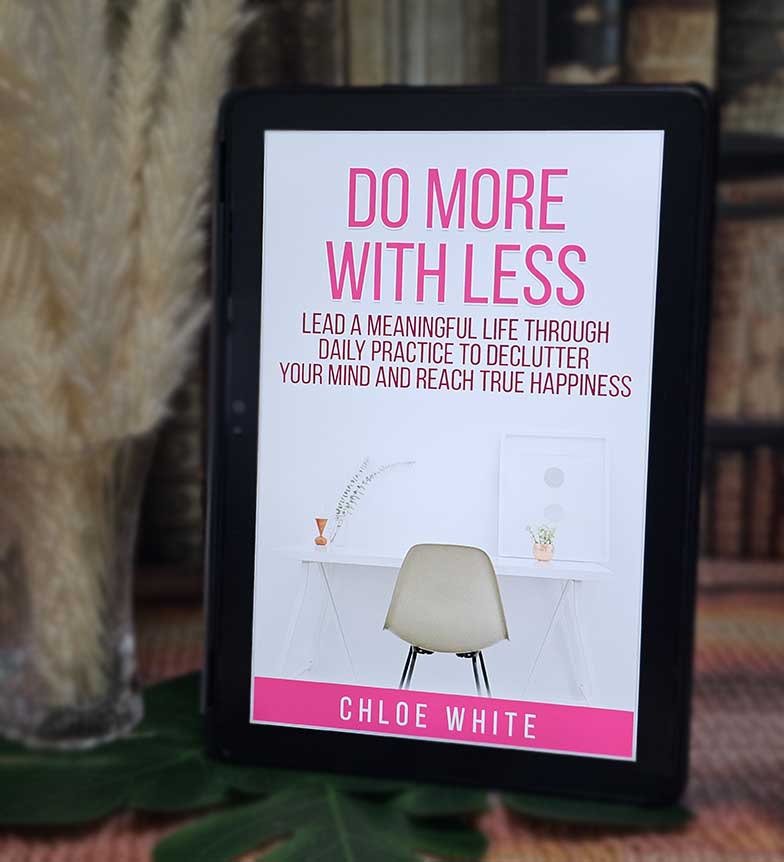
Do More with Less
by Chloe White
Chloe White's minimalism guide about simplifying life to achieve more with fewer possessions and commitments. Practical advice on decluttering, time management, and intentional living. Familiar minimalism territory without much innovation.
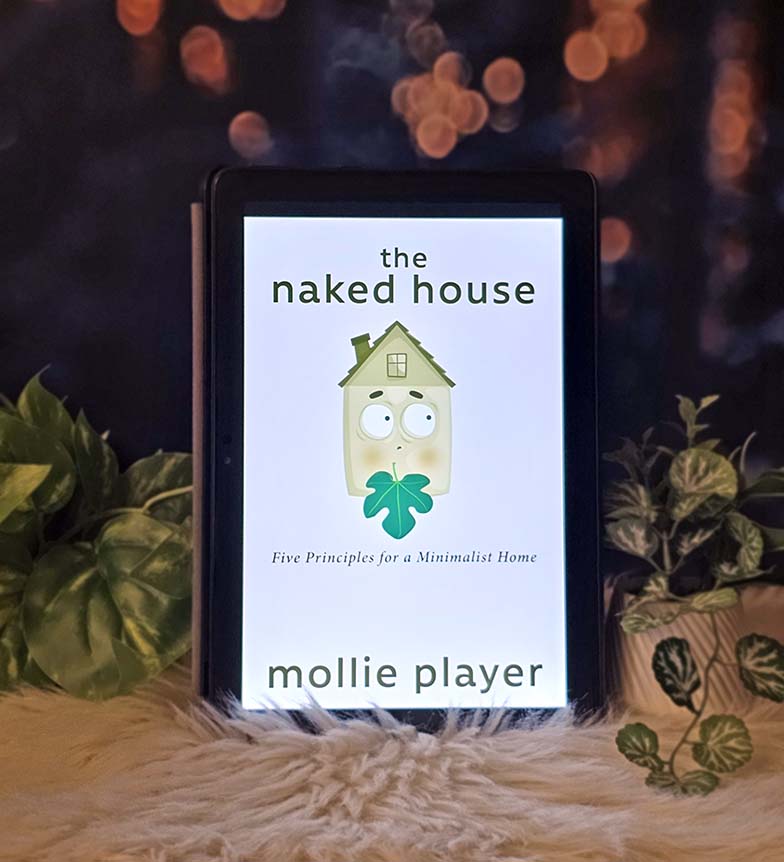
The Naked House
by Mollie Player
Mollie Player's memoir-meets-guide about her family's experiment living with minimal possessions for a year. Personal narrative about discovering what's truly essential through radical decluttering. Engaging storytelling but limited practical application.
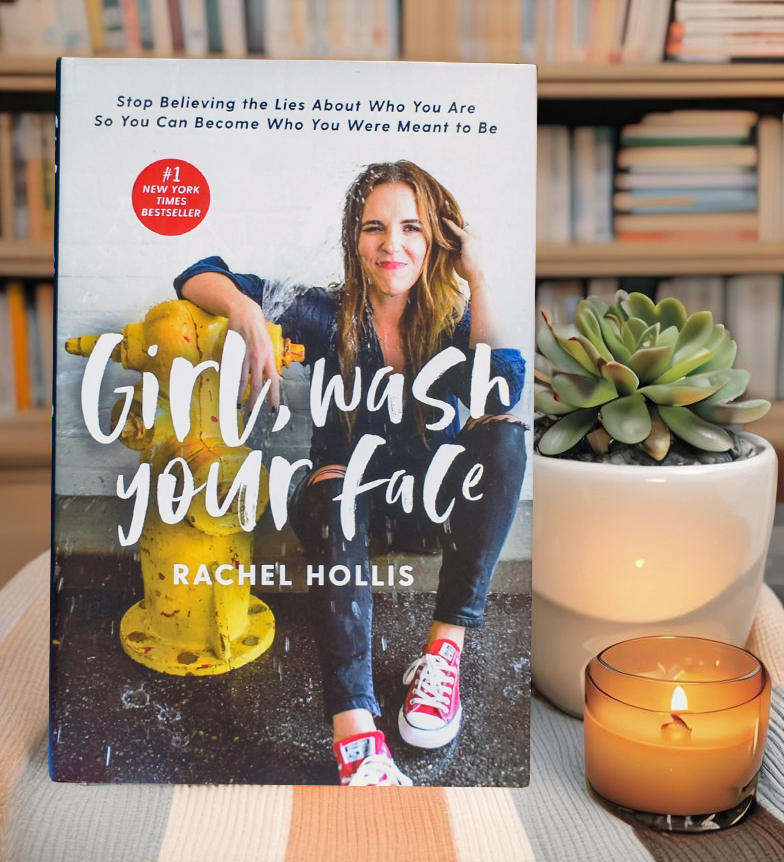
Girl, Wash Your Face
by Rachel Hollis
A motivational self-help book that encourages women to stop believing lies about themselves and start living authentically. Rachel Hollis shares personal stories and practical advice for overcoming self-doubt.