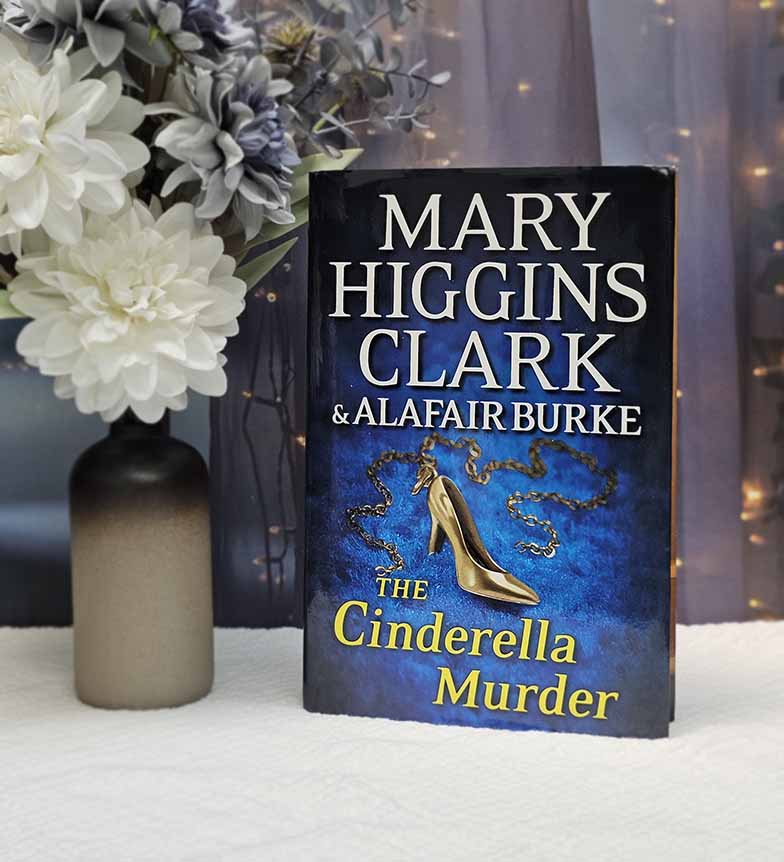
The Cinderella Murder
by Mary Higgins Clark & Alafair Burke
The second Under Suspicion novel and the first Mary Higgins Clark / Alafair Burke collaboration: Laurie Moran, producer of a cold-case television show, reopens the twenty-year-old murder of UCLA student Susan Dempsey - found strangled in Laurel Canyon Park missing a single shoe, the 'Cinderella Murder' of the tabloids - by reuniting the suspects on camera, from Susan's grieving mother and womanizing boyfriend to the now-famous director she was auditioning for, her former roommates, a tech billionaire who was her classmate, and the computer-science professor who taught them both.
Spoiler Warning
This review may contain spoilers. Read at your own discretion if you haven't finished the book yet.
A Cold-Case Reality Show, a UCLA Student Found Missing One Shoe, and the Producer Reopening a Twenty-Year-Old Case
This is the second of the Under Suspicion novels and the first that Mary Higgins Clark wrote with Alafair Burke, and the collaboration is the most interesting thing about it before you even reach the murder. Clark is the Queen of Suspense, the writer who spent decades putting decent women in escalating danger and getting them out again; Burke is a former prosecutor turned crime novelist who knows how an actual investigation is built. The premise they share is a good one. Under Suspicion is a television show - a cold-case reality program that reopens unsolved crimes by gathering everyone connected to the victim and putting them back together on camera, where the cameras and the proximity and the old grievances are supposed to shake something loose that twenty years of police work could not. Laurie Moran produces it. Alex Buckley, a defense attorney, hosts it and runs the on-camera interrogations.
The case the show takes on this time is the murder of Susan Dempsey, a UCLA student found strangled in Laurel Canyon Park roughly twenty years earlier, on a night she had set out for an audition and never arrived. She was nineteen, gifted in both computer science and acting, the kind of young woman everyone assumed was headed somewhere. When her body was found she was missing a single shoe and her car was parked miles away, and the press did what the press does and called it the Cinderella Murder. The case went cold. Laurie's show is built to thaw exactly this kind of thing, and Susan's mother, Rosemary, agrees to participate because the program is the one chance left to make her daughter a person again rather than a tabloid nickname. A 4.0 reflects a brisk, genuinely fun cold-case mystery with a fresh reality-TV hook and a smartly assembled suspect pool, made sturdier than vintage Clark by Burke's procedural eye - held short of higher by the lighter, cozier, lower-stakes register the collaboration settles into and a couple of the plausibility stretches the genre runs on.
The Show, the Host, and the Producer Who Has Her Own Cold Case
The framing device is what gives the book its energy, and it's smarter than a gimmick. By making the investigation a television production, Clark and Burke get to assemble all the suspects in one place for a reason that doesn't strain credulity, and they get to use the cameras as pressure. Laurie is good at her job, juggling the egos and the legal exposure and the fragile cooperation of people who have spent two decades not talking about the worst night of their lives. Alex Buckley, as the lawyer-host, is built to ask the questions a detective could not get away with asking, and the interplay between his courtroom instincts and Laurie's producer instincts is where Burke's hand shows most.
What gives Laurie a second dimension is that she is not a neutral observer of unsolved murder - she has lived inside one. Her husband, Greg, was shot and killed in front of their young son, Timmy, by a man the terrified three-year-old could only describe as having piercing blue eyes. That case - the engine of the first Under Suspicion novel - is already closed by the time this one opens: "Blue Eyes" was identified and killed when the police closed in at the end of that book. So the weight Laurie carries here is not the open wound of a killer still out there but the slower, quieter work of a widow and her son beginning to move forward. It's the thread that ties this installment to the larger series, and it's handled with more restraint than you might expect.
The Cinderella Murder and the People Who Were There
The reinvestigation is structured the way these mysteries like to be - multiple points of view, a rotating cast of suspects, each chapter peeling back a little more of who had a reason to want Susan gone or a secret worth killing to keep. There is Keith Ratner, Susan's boyfriend at the time, a womanizer whose alibi has always been thin. There is Frank Parker, the director Susan was driving to audition for the night she died, who has since become exactly the kind of A-list Hollywood name that does not want a twenty-year-old murder attached to him. There are her former roommates - Madison Meyer, now a fading actress who has gotten what mileage she can out of her proximity to the case, and Nicole Melling, who has spent the intervening years building a quiet life as far from all of it as she could get. There is Dwight Cook, the classmate who turned the same UCLA computer-science world Susan moved in into a Silicon Valley fortune. And there is Richard Hathaway, the professor who taught both Susan and Dwight, and who carries the particular discomfort that the genre's older male authority figures tend to.
Clark and Burke keep the reader guessing by giving nearly everyone something to hide that is not, necessarily, the murder - the affairs, the lies, the reputations being protected, the money. The pleasure of the book is watching the show's format flush those secrets into the open one interview at a time, and the back half tightens into real danger as Laurie's reinvestigation gets close enough to the truth to make someone nervous. I won't touch the ending except to say it resolves cleanly and pays off the structure the book has been laying down, which is more than a lot of multiple-suspect mysteries manage.
Why a 4
The strengths are easy to name: the cold-case-television premise is fresh and gives the assembled-suspects structure a reason to exist; the pacing is brisk and the chapters turn over quickly; Burke's procedural and legal credibility shores up the places where Clark's suspense alone might have floated; the grief Laurie carries from her own past gives her a genuine personal stake beyond the job; and the whole thing works comfortably as a standalone even though it sits second in a series. By the broad consensus of its readers it's a solid, enjoyable entry - the kind of book that does what it promises and doesn't waste your afternoon.
The reservations are the ones that keep it at four rather than higher. This is lighter and cozier than vintage Mary Higgins Clark, lower in stakes and gentler in menace, and longtime fans looking for the tighter dread of her classic work may find it a touch soft. The plot leans, as the genre does, on people sitting on enormous secrets for twenty years and behaving in ways that serve the puzzle more than they serve psychology, and a few of the suspects are drawn more as functions than as people. A 4.0 means a smart, fast, well-built commercial mystery with a premise worth the price of admission and a collaboration that clearly works - just one that's content to entertain rather than unsettle.
Rating: 4.0/5 ⭐
Perfect for: Mary Higgins Clark and Alafair Burke readers, fans of cold-case and amateur-sleuth mysteries, anyone who likes a reality-TV or true-crime framing device, readers who want a brisk whodunit with a deep suspect pool that works as a standalone.
Skip if: You want the darker, higher-tension menace of classic Mary Higgins Clark, you have no patience for mysteries that rely on decades-long secrets and tidy reunions of suspects, or you need your thrillers grittier than cozy-adjacent.
You Might Also Like
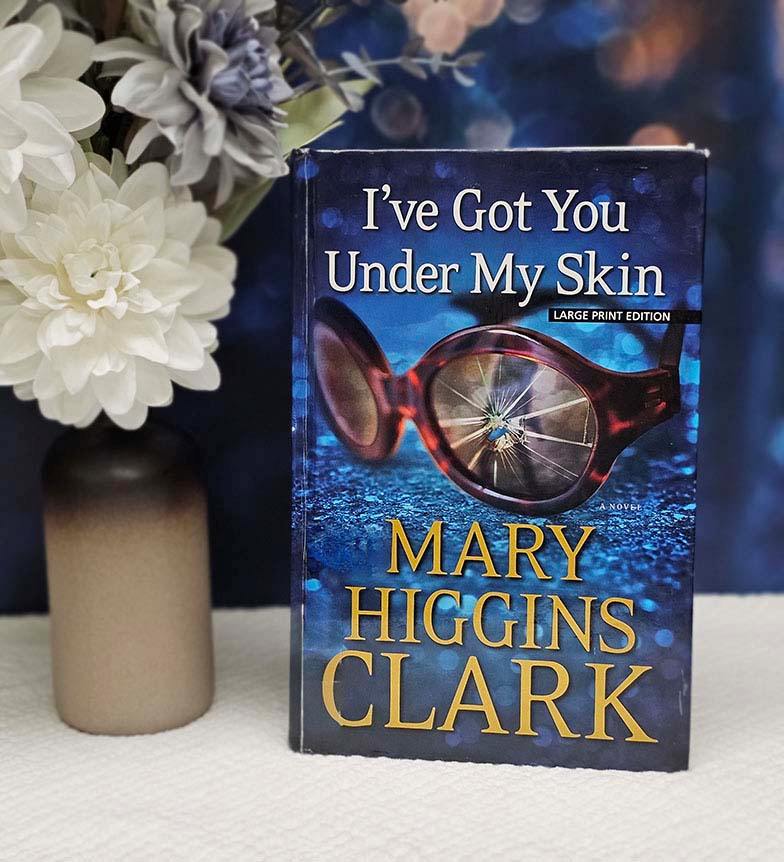
I've Got You Under My Skin
by Mary Higgins Clark
TV producer Laurie Moran - whose husband was murdered five years ago in front of their three-year-old son by a killer the boy can only describe as 'Blue Eyes' - launches a true-crime show that reopens cold cases on camera, starting with the twenty-year-old suffocation of socialite Betsy Powell after her daughter's Graduation Gala; as the four women who were under that roof reunite for filming, both unsolved murders start moving toward the same ending.
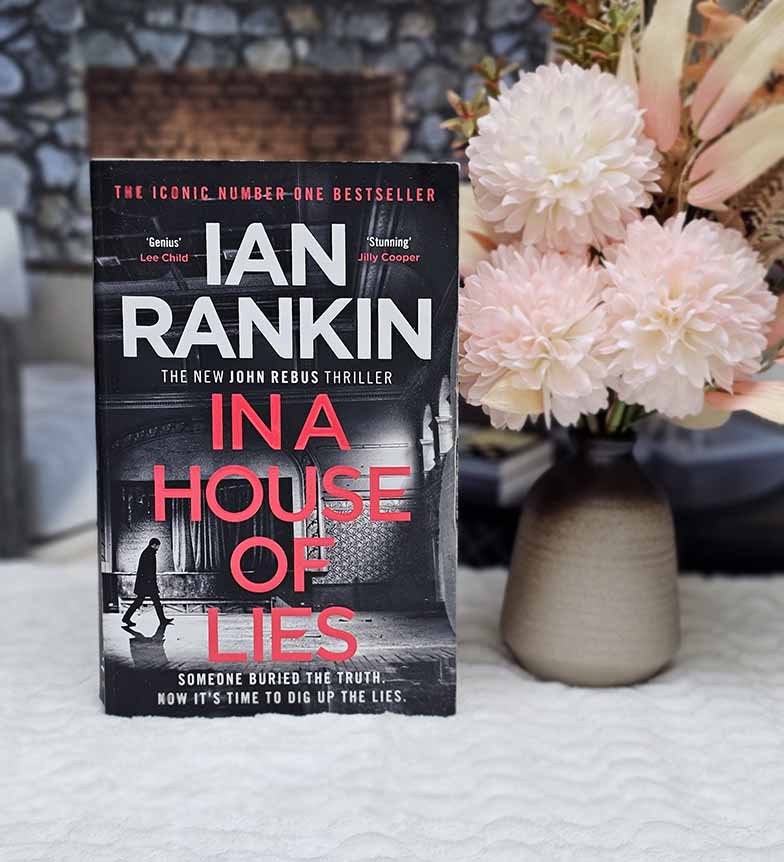
In a House of Lies
by Ian Rankin
The twenty-second Inspector Rebus novel: when a car is found deep in an Edinburgh wood with the body of private investigator Stuart Bloom in its boot and his ankles bound by police-issue handcuffs, a cold case more than a decade old reopens - and retired DI John Rebus, who worked the original botched investigation, finds himself implicated alongside DI Siobhan Clarke and Malcolm Fox as the rot in that first inquiry comes to light.
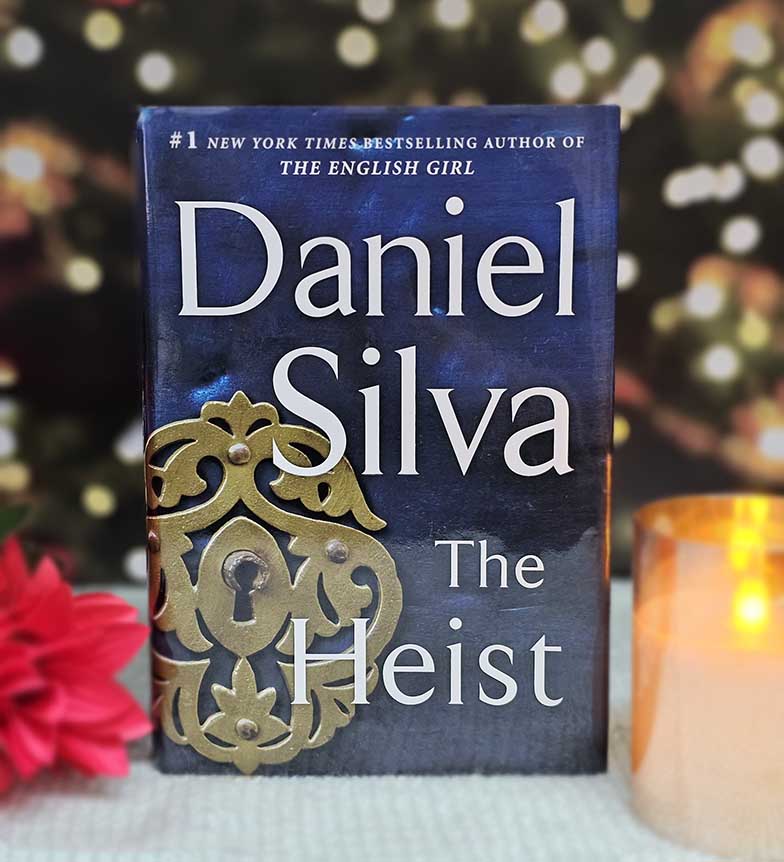
The Heist
by Daniel Silva
Daniel Silva's fourteenth Gabriel Allon novel: when London art dealer Julian Isherwood finds his colleague Jack Bradshaw - a former British intelligence officer turned art trafficker - tortured and murdered at a villa on Lake Como, Allon, the Israeli spy and master art restorer, is pulled in by the Italian Art Squad to recover a Caravaggio stolen in 1969, and the hunt leads through the Geneva Freeport and a private Austrian bank to the looted billions that Syria's Bashar al-Assad has hidden across Europe.