
Station Eleven
by Emily St. John Mandel
On the night a famous actor dies performing King Lear in Toronto, a deadly flu pandemic begins. Twenty years later, a traveling theater troupe performs Shakespeare for scattered survivors - and one of them carries a mysterious comic book given to her by the actor the night he died.
Spoiler Warning
This review may contain spoilers. Read at your own discretion if you haven't finished the book yet.
Survival Is Insufficient
On a winter night in Toronto, Arthur Leander collapses on stage during a production of King Lear. The aging Hollywood actor suffers a massive heart attack, and despite the efforts of Jeevan Chaudhary - a former paparazzo turned EMT trainee who leaps on stage to perform CPR - Arthur dies. In the audience and on stage, no one yet knows that the Georgia Flu is already spreading, that within weeks 99% of humanity will be gone, that this is the last night of the old world.
Twenty years later, the Traveling Symphony moves between scattered settlements in the Great Lakes region, performing Shakespeare and classical music for survivors who have lost almost everything. Their motto, painted on their caravan, comes from Star Trek: "Survival is insufficient." It's the heart of Station Eleven, Emily St. John Mandel's haunting, beautiful novel about what remains when everything familiar disappears.
Kirsten Raymonde
Eight-year-old Kirsten Raymonde was on stage with Arthur the night he died, playing one of Lear's daughters. She remembers almost nothing of her life before the collapse - those memories disappeared in the trauma of the first terrible year. But she carries two things from the old world: her skills as an actress, and a two-volume comic book called Station Eleven that Arthur gave her before his death.
Twenty years later, Kirsten is a core member of the Traveling Symphony, still performing Shakespeare, still carrying those comics. The graphic novel tells the story of Dr. Eleven, a man living on a defunct planetary space station, and its strange beauty has become almost sacred to her. She doesn't know who created it or why Arthur had it. She only knows it matters.
Miranda Carroll's Creation
The comic was created by Miranda Carroll, Arthur's first wife - an artist eleven years his junior who spent years obsessively crafting her vision of Dr. Eleven's world. The space station, adrift and abandoned by the larger civilization, becomes an accidental prophecy of the post-collapse world. Miranda worked on Station Eleven throughout her marriage and after her divorce from Arthur, finally completing it shortly before the pandemic.
She gave Arthur two copies just before his death. He gave one to Kirsten and one to his son Tyler. The comic becomes a thread connecting lives that would otherwise never touch, its images and phrases appearing across the decades, carrying meaning its creator never anticipated.
The Prophet of St. Deborah by the Water
When the Symphony arrives at a settlement called St. Deborah by the Water, expecting to reunite with Charlie and Jeremy - two members who stayed behind on an earlier circuit - they find a changed town. A religious leader called the Prophet now rules here, and Charlie and Jeremy are nowhere to be found.
The Prophet's beliefs are apocalyptic, his methods dangerous. He carries a worn copy of a familiar comic book. The connection between him and Kirsten, between past and present, between Arthur's legacy and the post-collapse world, becomes the novel's dark undercurrent.
Clark's Museum of Civilization
Clark Thompson, Arthur's oldest friend from their struggling-actor days in Toronto, ends up stranded at the Severn City Airport when the collapse happens. He never leaves. Over the years, he creates a museum filled with artifacts of the old world - cell phones, credit cards, high heels, a Nintendo DS, things that will be incomprehensible to children born after.
It's both absurd and deeply moving. What do you preserve when a world ends? What do you want future generations to know existed? The museum becomes a meditation on everything we take for granted - the infrastructure, the convenience, the casual miracles of modern life we don't notice until they're gone.
A Web of Connection
Mandel builds connection across time beautifully. The structure weaves between before, during, and after - slowly revealing how Arthur Leander's life touched everyone in the story. His first wife created the comic that shapes Kirsten's identity. His oldest friend builds a museum to preserve memory. His son becomes something terrifying. A man who tried to save his life finds his own path through catastrophe.
The narrative isn't chronological, but it's never confusing. Each timeline illuminates the others, showing how our lives touch people in ways we never know, how threads of connection survive even apocalypse.
Beautiful and Hopeful
This is a sad book, but not a hopeless one. Mandel acknowledges the devastation while showing communities rebuilding, art persisting, connection surviving. The Traveling Symphony chooses beauty over pure practicality, believing that survival without meaning isn't really living. They're right.
The writing itself is beautiful - clear and evocative, finding poetry in both the ordinary and the apocalyptic. Station Eleven won the Arthur C. Clarke Award and was a finalist for the National Book Award for good reason. It touches something real about what matters and what endures.
Rating: 4.5/5 ⭐
Perfect for: Readers who want literary fiction with genre elements, anyone interested in philosophical exploration of meaning and civilization, fans of beautiful prose and interconnected narratives.
Skip if: You want action-driven post-apocalyptic fiction, or the contemplative pace sounds too slow.
You Might Also Like
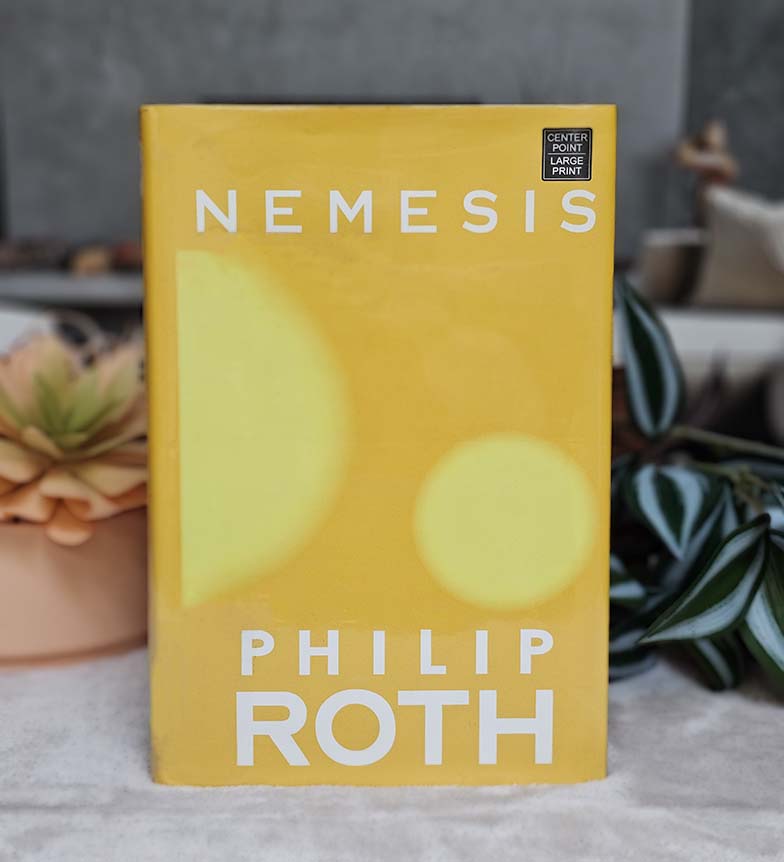
Nemesis
by Philip Roth
In the summer of 1944, a polio epidemic sweeps through Newark's Jewish community. Playground director Bucky Cantor watches helplessly as children in his care fall ill - then flees to a mountain camp where he believes he brings the disease with him, destroying his life with guilt.
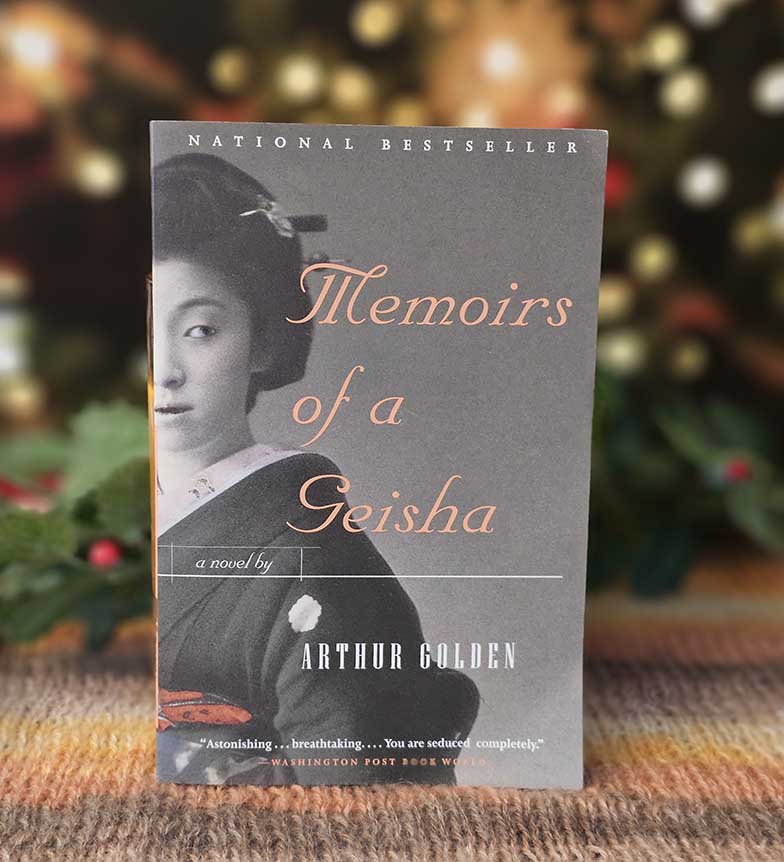
Memoirs of a Geisha
by Arthur Golden
A stunning portrait of a geisha's life in pre-war and wartime Japan. Through the eyes of Sayuri, we witness the beauty, artistry, and complex world of geisha culture.

A Gate at the Stairs
by Lorrie Moore
A coming-of-age story set in the Midwest after 9/11. Tassie Keltjin takes a job as a nanny and finds herself drawn into a complex family dynamic that challenges her understanding of race, identity, and belonging.