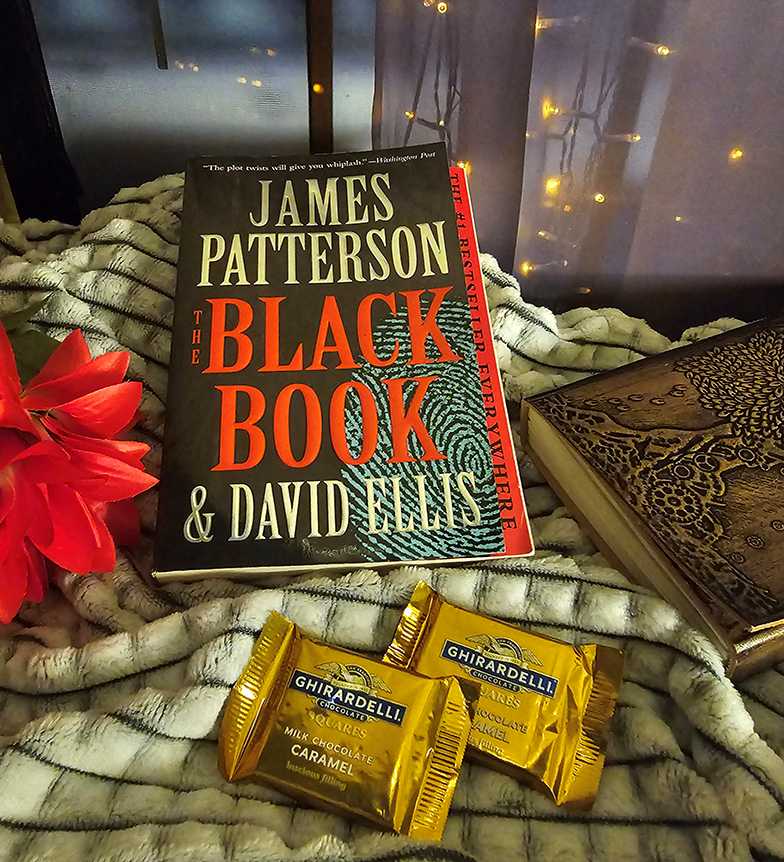
The Black Book
by James Patterson & David Ellis
Detective Billy Harney's life is turned upside down when he's framed for a murder he didn't commit, forcing him to navigate a web of corruption within his own police department.
Spoiler Warning
This review may contain spoilers. Read at your own discretion if you haven't finished the book yet.
Waking Up to a Nightmare You Can't Remember
Detective Billy Harney wakes up in a hospital bed in Chicago with a bullet wound he can't explain, gaps in his memory he can't fill, and the worst possible news: his partner, Detective Katherine Fenton - Kate - is dead, shot in a building that was being used as a high-end brothel. Billy was found at the scene, unconscious and bleeding, and all evidence points to him as the shooter. The problem is, Billy can't remember. Not the shooting. Not why he was there. Not what he and Kate were working on that led them to that building in the first place. In The Black Book, James Patterson teams up with David Ellis - a former prosecutor and accomplished thriller writer in his own right - to build a police procedural around a genuinely nightmarish premise: you might have killed your partner, and the only way to find out is to investigate yourself.
The setup alone would be enough to carry a decent thriller, but Patterson and Ellis have bigger ambitions. The building where Kate died wasn't just any brothel - it was a discreet operation catering to Chicago's most powerful men, and somewhere in that operation is a black book. A list of clients. Names that include judges, politicians, police brass, and business leaders. That book is the reason Kate is dead, the reason Billy was shot, and the reason some very dangerous people want Billy silenced before his memory comes back. The conspiracy spirals outward from there, pulling in Chicago's long tradition of institutional corruption and making Billy's personal nightmare into something much larger and more dangerous than a single murder.
Billy Harney and the Harney Family Legacy
What keeps the story grounded through its increasingly complex plot is Billy himself. He's the son of Daniel Harney, Chicago's chief of detectives - a fact that gives him access and protection but also puts a target on his back. Billy's father is a political animal, navigating the department's internal wars with the kind of calculated pragmatism that comes from decades in a corrupt system. Their relationship is one of the book's more interesting dynamics - Daniel loves his son but also understands the institutional machinery well enough to know that protecting Billy might mean making compromises that Billy would find unforgivable.
Billy's twin sister, Patti, is a cop too, and her involvement adds another layer of family complication. Patti is loyal, fierce, and willing to bend rules to protect her brother, but she's also carrying her own secrets about the night Kate died. The Harney family dynamic - three cops in one family, bound by loyalty and divided by the different deals they've each made with a corrupt system - gives the book an emotional texture that pure procedurals often lack. Billy isn't just fighting to clear his name; he's fighting to hold his family together while discovering that the people he trusts most may have been hiding things from him all along.
The memory loss works as more than a plot device because Patterson and Ellis use it to force Billy into the uncomfortable position of investigating his own character. As he traces his movements in the days before the shooting, he discovers things about himself that don't fit his self-image - a relationship with Kate that was more complicated than professional partnership, decisions he made that suggest he might have been closer to the corruption than he wants to believe, and connections to the brothel operation that he can't easily explain. Every new piece of recovered memory is a potential exoneration or a potential confession, and the uncertainty keeps both Billy and the reader off-balance.
The Corruption Runs Deep
The black book itself - the client list from the brothel - is a classic MacGuffin, but Ellis's prosecutorial background gives the corruption surrounding it a specificity that elevates the material. This isn't vague hand-waving about "powerful people" who want secrets buried. The book maps out how institutional corruption actually functions in a city like Chicago: the favors exchanged, the promotions granted, the investigations quietly killed, the way dirty money flows through legitimate channels. The people protecting the black book's secrets aren't shadowy villains - they're colleagues, supervisors, judges, and politicians who Billy has worked alongside for years. The horror isn't that the system has been infiltrated by corrupt individuals; it's that corruption is how the system has been operating all along, and the honest cops have just been too useful or too naive to notice.
Amy Lentini, Billy's defense attorney, serves as the reader's anchor when the conspiracy threatens to become overwhelming. She's sharp, skeptical, and refreshingly practical - the kind of lawyer who cares less about dramatic courtroom speeches and more about keeping her client out of prison while they figure out what actually happened. Her scenes with Billy have a combative chemistry that keeps the legal procedural elements entertaining, and her growing investment in his case provides a perspective from outside the police department's insular world.
The investigation leads Billy through Chicago's layers of power - from street-level informants and vice squad detectives to the upper reaches of the police department and city hall. Patterson and Ellis handle the escalation well, each new revelation raising the stakes while connecting back to the central mystery of what happened in that building. The short-chapter, cliffhanger-ending structure is pure Patterson - some chapters are barely two pages long - and while that approach can feel mechanical in lesser books, here it matches the relentless forward momentum of Billy's desperation. He's racing to recover his memory before the people who want him silenced figure out how much he knows.
Where the Gears Show
For all its strengths, the book occasionally lets its thriller mechanics override its character logic. There are moments where Billy survives situations that should kill him through timing so convenient it nudges past suspension of disbelief - a witness who shows up at exactly the right moment, a crucial piece of evidence discovered just as all seems lost. Patterson's pacing demands constant escalation, and sometimes that means the plot pushes characters into positions that serve the story's momentum more than they serve realistic behavior. A couple of the secondary antagonists - the mid-level operatives protecting the black book - feel more like obstacles to be cleared than people with their own motivations, and the conspiracy's final reveal, while satisfying, requires buying into a level of coordinated cover-up that tests credibility.
The romance elements also sit a bit uneasily in the story. Billy's fragmented memories of his relationship with Kate are meant to deepen the emotional stakes of her death, but they sometimes feel like they're competing with the investigation rather than enhancing it. And a developing attraction with another character occasionally slows the momentum in a book that otherwise moves at breakneck speed.
But here's the thing: these are the kinds of flaws you notice after you've finished the book and are thinking back over the plot. In the moment, Patterson and Ellis keep you turning pages too fast to question the seams. The central mystery is genuinely compelling, the memory-loss device works better than it has any right to, and the Chicago corruption angle gives the story a weight and relevance that straight conspiracy thrillers often lack. Billy Harney is a protagonist worth following - flawed enough to be interesting, honest enough to root for, and uncertain enough about his own actions to keep you guessing about whether he deserves your sympathy. For a Patterson collaboration, this is exceptional work, and Ellis deserves significant credit for bringing the character depth and procedural authenticity that make it more than just a page-turner.
Rating: 4.5/5 ⭐
Perfect for: Fans of police procedurals and legal thrillers, readers who enjoy unreliable narrators and institutional corruption stories, anyone looking for a fast-paced mystery with more character depth than the typical Patterson novel.
Skip if: You need airtight plotting without any convenient coincidences, or you prefer thrillers that slow down for more introspective character work.
You Might Also Like
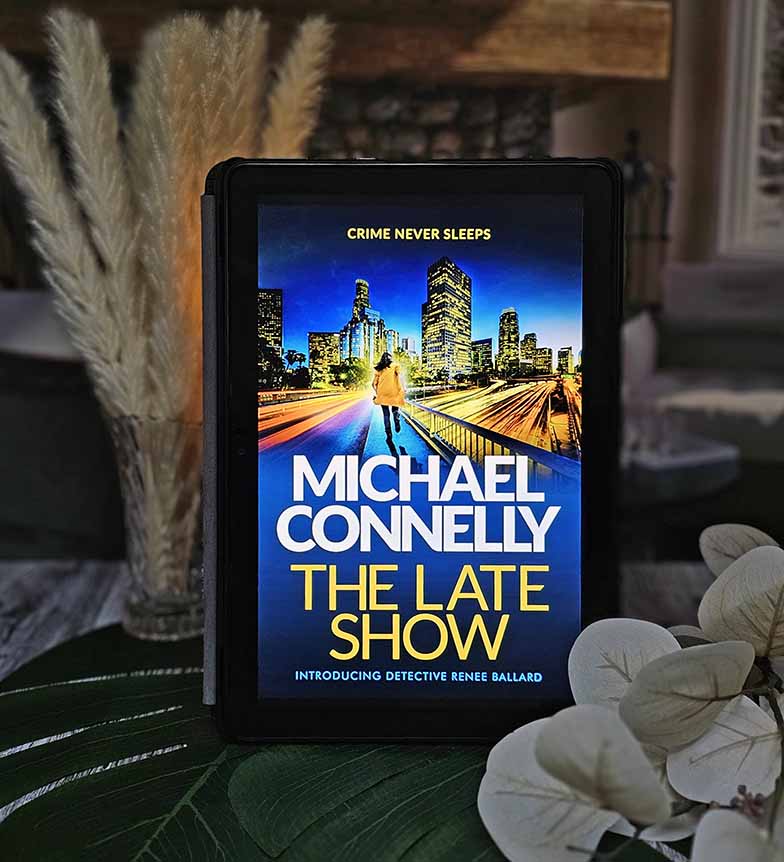
The Late Show
by Michael Connelly
LAPD Detective Renée Ballard works the graveyard shift, catching cases no one else wants. When two cases intersect dangerously, she must go rogue to find justice.
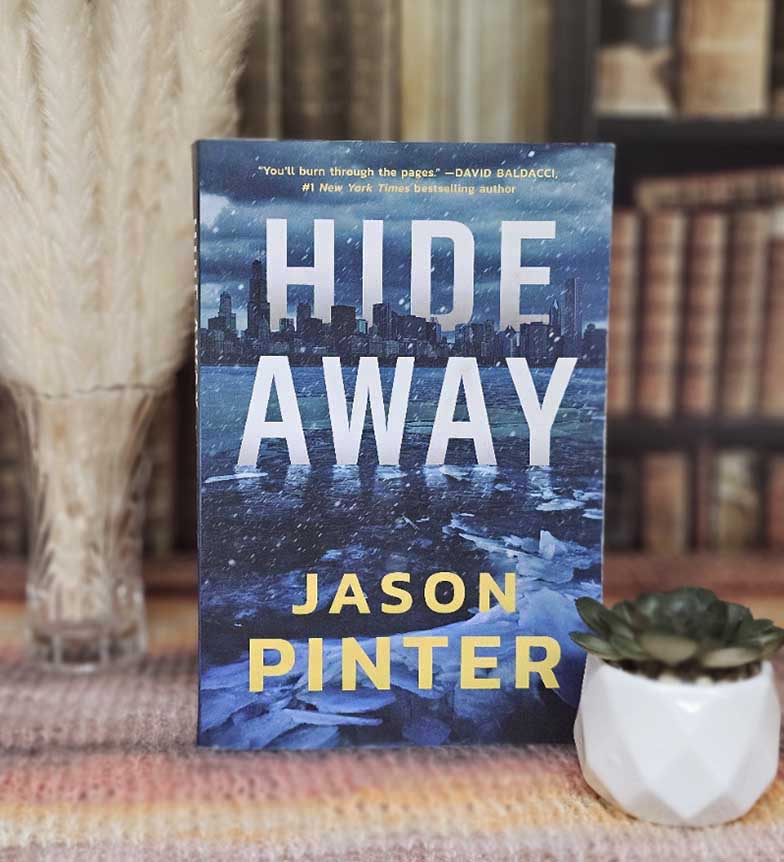
Hide Away
by Jason Pinter
A gripping thriller about a woman who changed her identity to protect her children after her husband's murder. When her carefully constructed new life begins to unravel, Rachel Marin must confront the past she's been hiding from.
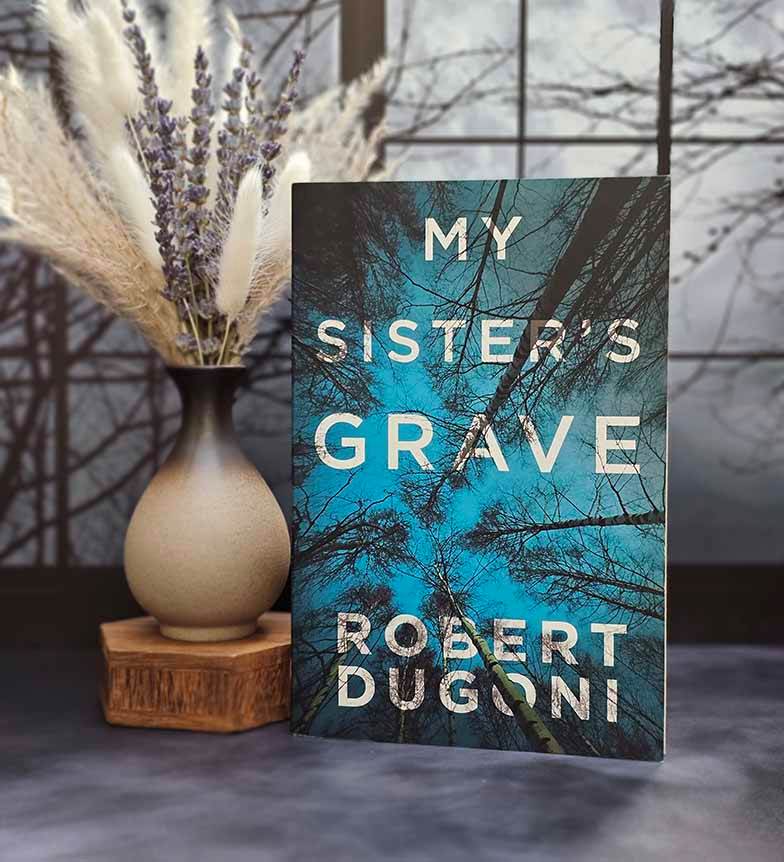
My Sister's Grave
by Robert Dugoni
Twenty years ago, Tracy Crosswhite's younger sister Sarah vanished one summer night on a county road outside the small Cascade-mountain town of Cedar Grove, Washington; a recently paroled rapist named Edmund House was convicted on circumstantial and partly planted evidence and given a life sentence, Tracy and Sarah's grief-shattered father took his own life, and Tracy left Cedar Grove to become a Seattle homicide detective. When Sarah's remains are uncovered in the dam-flooded land outside town, Tracy comes home to reopen the case alongside her childhood friend Dan O'Leary - now a small-town lawyer - against the sheriff and prosecutor she has known her whole life.