
Rapid Falls
by Amber Cowie
A psychological thriller about a woman who returns to her hometown to face dark secrets from her past that threaten to destroy everything she's built.
Spoiler Warning
This review may contain spoilers. Read at your own discretion if you haven't finished the book yet.
You Can Leave Your Hometown, But Can It Leave You?
In 1997, on graduation night in the small town of Rapid Falls, a truck carrying teenagers went off the road and plunged into the river. Anna Piper was driving - drunk. Her sister Cara's boyfriend, Jesse, was in the car. Cara was pulled from the water. Jesse's body was never recovered, swept away by the fast-moving rapids that give the town its name. Anna was charged with felony DUI, convicted, and served roughly three years in prison. Cara left Rapid Falls and didn't come back. She built a new life, married a man named Rick, had a daughter named Maggie, and maintained a careful, deliberate distance from everything that happened that night.
Nearly twenty years later, in 2016, the distance collapses. Anna is out of prison, struggling with addiction, and spiraling - a hospitalization following a suicide attempt forces Cara back into her sister's orbit. In Rapid Falls, Amber Cowie uses that forced return as the spark for a psychological thriller built on a devastating question: what if the story everyone accepted about that night - the accident, the drunk driving, the tragic but comprehensible sequence of events - wasn't the whole truth? What if the person you trusted most was the person who lied the most?
Two Timelines, Two Versions of the Truth
Cowie alternates between 1997 and 2016, and the dual timeline is the book's structural engine. The past chapters trace the events leading up to graduation night - the dynamics between Cara, Anna, Jesse, and their circle of friends, the ordinary teenage dramas that preceded the extraordinary tragedy. The present chapters follow Cara as she navigates her sister's crisis while her own carefully constructed life - the marriage to Rick, the stability she's built in Maggie's name - begins to crack under the pressure of proximity to everything she fled.
What makes the structure work is that the two timelines aren't just parallel - they're contradictory. The 1997 chapters show us Cara's version of events: the night, the drinking, the accident, the loss. But as the present-day storyline develops, Anna begins recovering suppressed memories through therapy - memories that don't match Cara's account. Details surface that suggest the accident may not have been what it seemed, that Cara's role in the events of graduation night may have been more complicated than the story she's told for twenty years. The question shifts from "what happened that night" to "whose version of that night is true" - and the answer, when it arrives, restructures everything.
The Piper Sisters
The relationship between Cara and Anna is the book's emotional core, and Cowie draws it with the kind of specificity that makes sibling dynamics feel real rather than archetypal. These are sisters shaped by the same trauma who processed it in opposite directions. Anna stayed in Rapid Falls, served her time, and has been living with the consequences - the addiction, the stigma, the weight of being the girl who killed someone while driving drunk. Cara fled, reinvented herself, and has spent two decades maintaining a version of the past that allows her to function. Neither sister has been honest with the other about what that night actually cost them, and the present-day crisis forces conversations that both have been avoiding for years.
Cowie doesn't make either sister the straightforward villain, which is one of the book's strengths. Cara isn't heartless for leaving - she was a teenager who survived something terrible and did what she had to do. Anna isn't simply a victim of her own choices - the DUI was real, the consequences were earned, and her ongoing struggles with addiction are her own. But the terrain between those truths is where the thriller lives: in the question of what else happened that night, what Cara knows that she hasn't said, and whether Anna's recovered memories are genuine revelations or the distortions of a mind damaged by trauma and substance abuse.
Rick, Cara's husband, occupies a complicated position in the present-day storyline. He knows the official version of Cara's past but not necessarily the full version, and as Anna's crisis pulls Cara back toward Rapid Falls, the strain on their marriage - and on Cara's ability to maintain the narrative she's built her adult life around - becomes one of the book's most effective sources of tension. Their daughter Maggie adds stakes that go beyond the personal: whatever the truth about graduation night turns out to be, it's going to reshape the family Cara has built.
The River and What It Carries
Cowie uses the river brilliantly - it's setting, symbol, and plot device all at once. The rapids that give the town its name are beautiful and dangerous, a tourist draw and a source of local tragedy. The river is where Jesse died, where the truck went in, where everything changed. Its constant presence in the present-day chapters - visible from certain streets, audible from certain houses - means that Cara can't walk through her hometown without being reminded of what it took from her. And the fact that Jesse's body was never recovered gives the river a haunted quality that Cowie exploits without overplaying. The town has moved on. The river hasn't. It's still carrying what it took.
The small-town setting amplifies every tension. Rapid Falls is the kind of place where everyone remembers what happened in 1997 and has opinions about both Piper sisters. Cara's return generates attention she doesn't want, conversations she can't control, and encounters with people who may know more about graduation night than they've ever let on. Cowie captures the suffocating intimacy of a community that saw something terrible happen and collectively agreed on a version of events - and the threat that comes when someone starts pulling at the threads of that agreement.
Where the Thriller Tightens and Where It Stretches
Cowie's pacing is deliberate, building dread through accumulation rather than action. The early chapters establish the dual timelines and the emotional landscape; the tension escalates as Anna's recovered memories become more specific and more damaging to Cara's version of events. The reveal, when it comes, genuinely reframes the book - details that seemed incidental on first read snap into place, and the relationship between the sisters takes on a different, darker coloring. Cowie earns the twist by building toward it honestly rather than relying on withheld information.
The book's limitations are in its supporting cast and its final act. Characters outside the Cara-Anna dynamic - Rick, the townspeople, friends from the 1997 timeline - are sketched rather than developed, functioning as plot elements more than people. Some of the flashback characters blur together in ways that make the 1997 sections harder to track than they should be. And the resolution, while emotionally powerful, requires accepting that certain secrets could plausibly be kept for twenty years by people living in a small town where everyone knows everyone's business. It's a strain that most thriller readers will accept - the genre runs on concealment - but readers who need their character motivations airtight may find a seam or two.
None of that diminishes what Cowie accomplishes. Rapid Falls is a thriller built on the understanding that the most dangerous secrets aren't the ones nobody knows - they're the ones that one person has been carrying for decades while everyone else accepted a more comfortable version of the truth. The river, the sisters, the twenty-year gap between what happened and what was said to have happened - Cowie weaves them into a story that's as much about the cost of silence as it is about the events that demanded it.
Rating: 4.5/5 ⭐
Perfect for: Fans of psychological thrillers who prefer atmosphere and family drama over action, readers who enjoy dual-timeline narratives with unreliable accounts, anyone interested in how families fracture around shared trauma.
Skip if: You prefer fast-paced thrillers with constant twists, or you need your supporting casts fully developed.
You Might Also Like
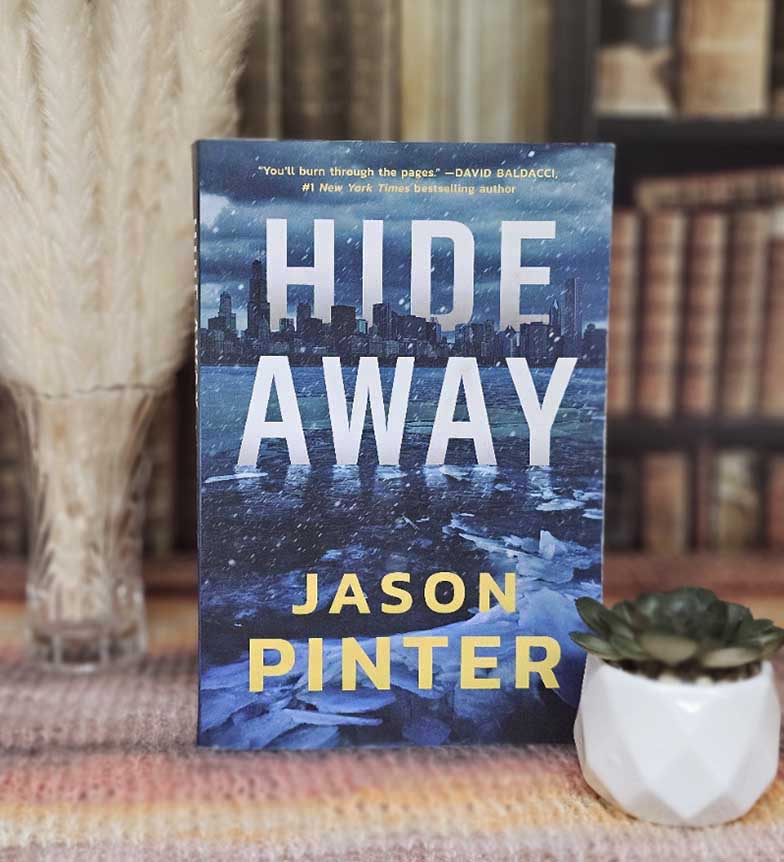
Hide Away
by Jason Pinter
A gripping thriller about a woman who changed her identity to protect her children after her husband's murder. When her carefully constructed new life begins to unravel, Rachel Marin must confront the past she's been hiding from.
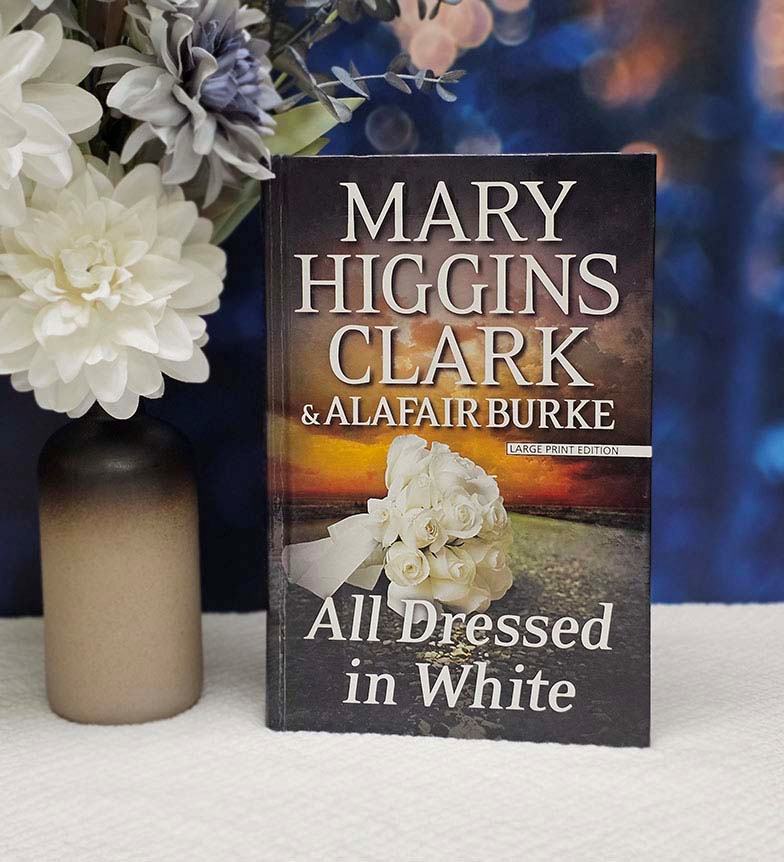
All Dressed in White
by Mary Higgins Clark & Alafair Burke
The third Under Suspicion novel: five years after bride-to-be Amanda Pierce vanished the night of her pre-wedding celebration at a luxury Palm Beach resort, television producer Laurie Moran reopens the cold case for her cold-case show - reuniting the wedding party, including the fiance who has since married one of Amanda's own bridesmaids, to find out whether the runaway bride ran or was made to disappear.

The Cinderella Murder
by Mary Higgins Clark & Alafair Burke
The second Under Suspicion novel and the first Mary Higgins Clark / Alafair Burke collaboration: Laurie Moran, producer of a cold-case television show, reopens the twenty-year-old murder of UCLA student Susan Dempsey - found strangled in Laurel Canyon Park missing a single shoe, the 'Cinderella Murder' of the tabloids - by reuniting the suspects on camera, from Susan's grieving mother and womanizing boyfriend to the now-famous director she was auditioning for, her former roommates, a tech billionaire who was her classmate, and the computer-science professor who taught them both.