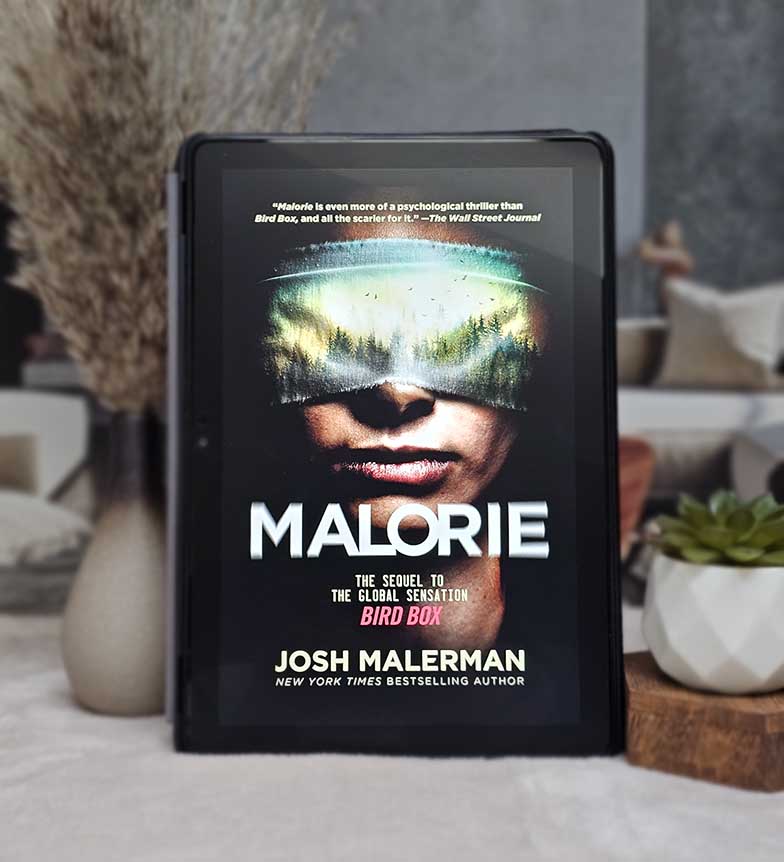
Malorie
by Josh Malerman
Twelve years after the events of Bird Box, Malorie and her children face a new threat in a world still plagued by creatures that drive people to madness.
Spoiler Warning
This review may contain spoilers. Read at your own discretion if you haven't finished the book yet.
When Protection Becomes Prison
Twelve years after that harrowing river journey, Malorie and her now-teenage children have survived. But survival has costs. The creatures still exist. People still go mad from seeing them. Malorie has kept Tom and Olympia alive through vigilance and iron rules. They've carved out existence, but it's not living - it's surviving, day after day, always afraid, always blind to the world around them.
And teenagers question. They've heard stories about their mother's journey, about the house where they were born, about possibilities Malorie refuses to discuss. The tension between protection and imprisonment grows. When word comes of a census man - someone connecting survivors, carrying information, possibly knowing if Malorie's parents are alive - the possibility of connection conflicts with everything she's taught herself. Hoping is dangerous.
Fear That Becomes a Wall
Josh Malerman examines what happens to a family defined by fear when the children grow old enough to have their own ideas. Malorie has become what she needed to be - fierce, vigilant, uncompromising. But the qualities that kept her children alive may now be suffocating them. Her journey is as much internal as external: can she adapt again, or has fear calcified into something destructive?
Tom wants to understand the world, not just hide from it. His conflicts with Malorie drive much of the novel's tension - the eternal parent-teenager struggle amplified by apocalyptic stakes. Olympia carries questions about who she is and where she came from. She's been raised with her mother's trauma, but the trauma isn't hers.
Expanded World, Sustained Dread
Bird Box was intimate, focused on one house and one journey. Malorie expands outward, showing how different communities have adapted. The creatures remain, but they're not the only threat - some humans have adapted in disturbing ways. We learn more about the creatures without learning too much. Malerman wisely maintains mystery while adding dimension.
The horror serves character rather than vice versa. The creatures matter because of what they do to the people we care about. This is horror that cares about its characters, that uses fear to explore human relationships, that asks what survival means when it comes at the cost of living. For Bird Box fans, this is essential. For horror readers who missed the first book, this works on its own terms while making you want to go back to the beginning.
Rating: 4.0/5 ⭐
Perfect for: Bird Box fans, readers who appreciate family dynamics in horror, those who enjoy post-apocalyptic world-building with character focus.
Skip if: You want all mysteries answered, prefer the intimate focus of the original, or expect identical experience to the first book.
You Might Also Like
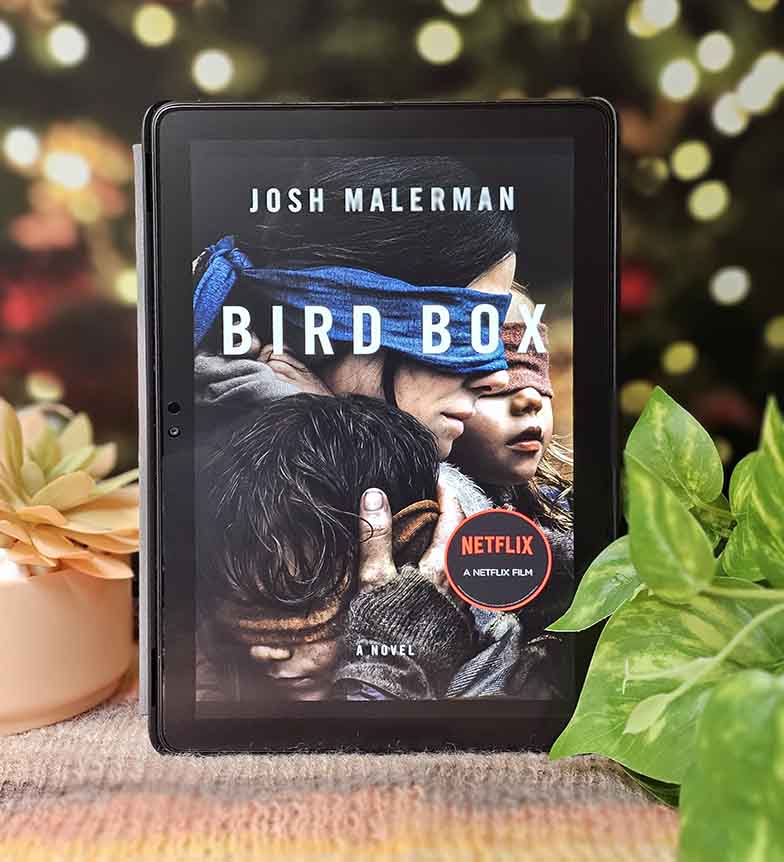
Bird Box
by Josh Malerman
A haunting post-apocalyptic horror novel about a world where seeing the wrong thing means certain death, and one mother's desperate journey to safety.
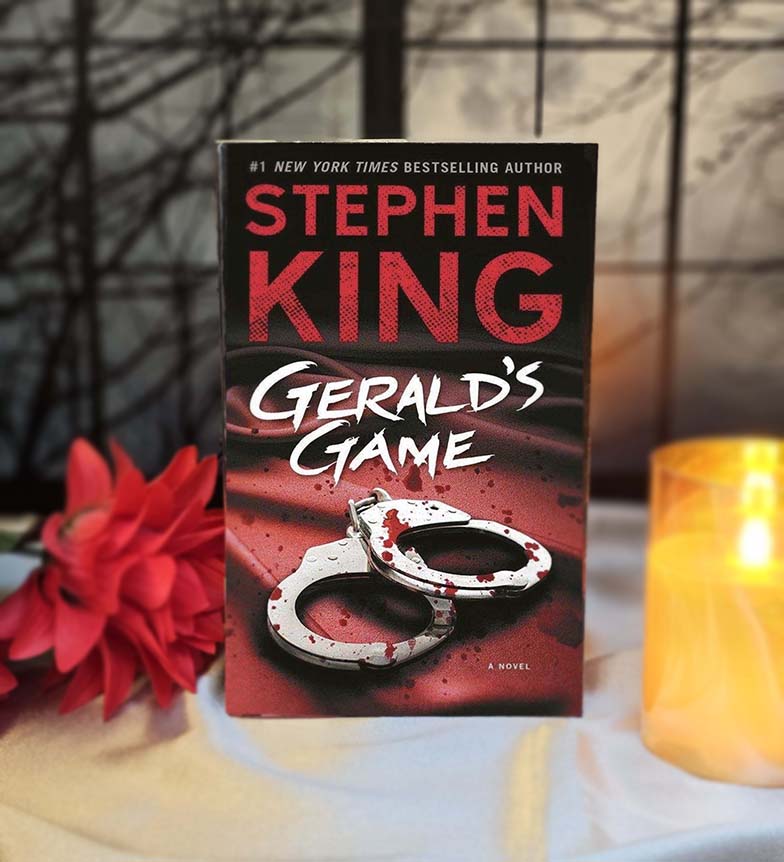
Gerald's Game
by Stephen King
A woman finds herself handcuffed to a bed in a remote cabin after her husband dies of a heart attack, forcing her to confront both physical danger and long-buried traumas.
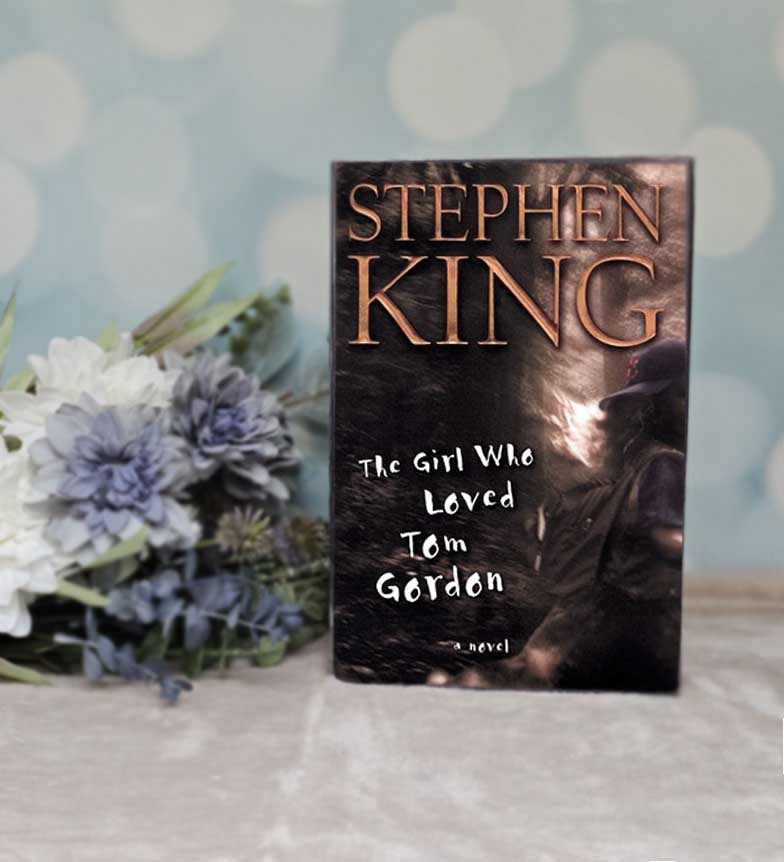
The Girl Who Loved Tom Gordon
by Stephen King
A nine-year-old girl gets lost in the woods during a family hike, and her only companion is her Walkman tuned to Red Sox games and her hero, relief pitcher Tom Gordon.