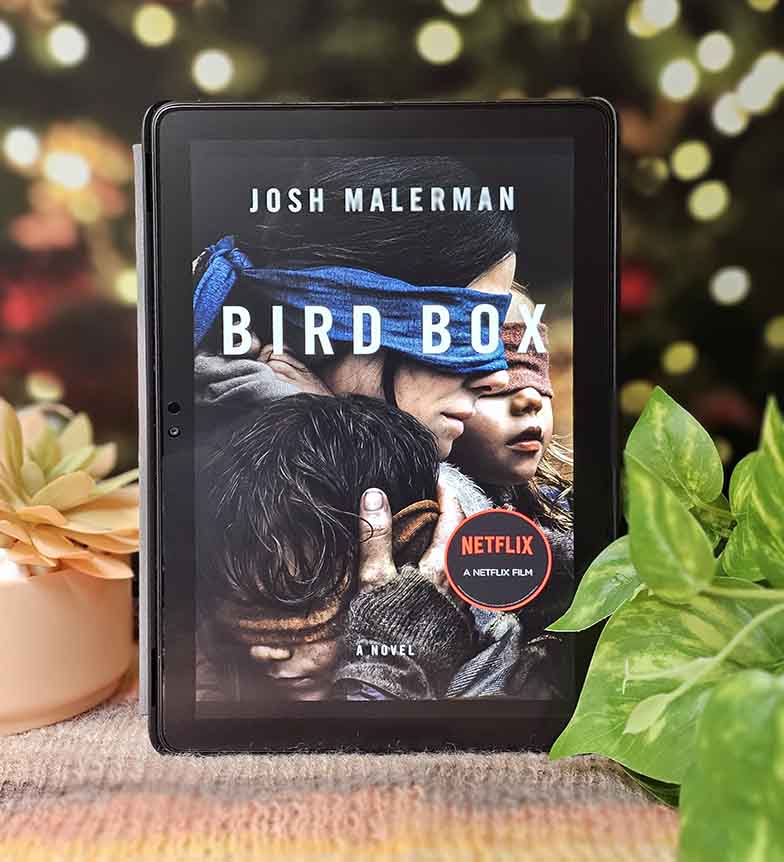
Bird Box
by Josh Malerman
A haunting post-apocalyptic horror novel about a world where seeing the wrong thing means certain death, and one mother's desperate journey to safety.
Spoiler Warning
This review may contain spoilers. Read at your own discretion if you haven't finished the book yet.
Don't Open Your Eyes
Here's a thought experiment: imagine waking up tomorrow to news reports of people suddenly killing themselves after glimpsing something outside. The reports are scattered, confusing, terrifying. By afternoon, the advice is clear - cover your windows, stay inside, and whatever you do, don't look. Within days, civilization crumbles. And you? You learn to navigate the world blindfolded, because sight has become the most dangerous thing you possess.
This is the world Josh Malerman drops us into with Bird Box, and let me tell you - it gets under your skin and stays there. The premise is brilliantly simple: mysterious creatures have appeared, and anyone who sees them is driven to immediate, violent suicide. Worse still, some people - those who are already mentally unstable - don't die. Instead they become zealots, worshipping the creatures as something beautiful and hunting down other survivors to force them to look. The solution is obvious but brutal: never look outside, ever. The execution of this premise is what elevates Bird Box from clever concept to genuine masterpiece of psychological horror.
Life Behind Mattresses and Blindfolds
The novel unfolds in two timelines that Malerman weaves together masterfully. In the past, we follow Malorie - pregnant and terrified - through the early days of the apocalypse. After her sister Shannon falls victim to the creatures, Malorie answers a newspaper ad and finds shelter in a boarded-up house with a group of strangers: Tom, the steady-handed de facto leader; Jules and his dog Victor; Felix, Don, and Cheryl; and Olympia, who like Malorie is expecting a baby. They've nailed mattresses over the windows, locked the doors, and established a rule that no one goes outside without a blindfold. Ever.
The house chapters are claustrophobic and tense in a way that creeps up on you. These people are trying to survive together, but trust is fragile when the wrong person could get everyone killed. They keep birds in a box near the door as an early warning system - the birds go quiet or agitated when something approaches. Every trip to the well in the backyard is a test of nerve, blindfolded and tethered by a rope, feeling your way through open air that might contain anything. There's a scene where Felix goes to the well and hears something moving in the water below. Malerman never tells you what it is. He doesn't need to.
The House Falls Apart
I won't spoil exactly how the house timeline plays out, but I will say this: the most dangerous thing in Bird Box isn't the creatures. It's people. A new arrival named Gary claims he's fleeing another survivor who believed the creatures were harmless, that only weak-minded people went mad from seeing them. Gary seems reasonable enough. But Malorie starts putting pieces together, and what she realizes is one of the most chilling moments in the book - the kind of revelation that makes you flip back a few pages to see if the clues were there all along. They were.
The catastrophe, when it comes, arrives while Malorie and Olympia are in labor upstairs. Both women giving birth simultaneously while the house below descends into chaos - it's a sequence of writing so intense I had to set the book down afterward. Malorie survives by keeping her eyes shut. Olympia doesn't. And before she dies, Olympia places her newborn in Malorie's arms. Just like that, Malorie goes from sheltered survivor to sole protector of two infants in a world where opening your eyes can kill you.
Twenty Miles Downriver, Blindfolded
In the present timeline, four years have passed. Malorie has received word from a man named Rick about a sanctuary downriver, and she's decided to attempt the journey - twenty miles in a rowboat, blindfolded, with two four-year-olds she's trained since birth to listen with superhuman precision. She calls them Boy and Girl, nothing more. Not as a safety measure, but because naming them would mean attaching herself completely, and attachment is a luxury this world doesn't allow. It's emotional armor, and it tells you everything about what four years of this existence has done to her.
The river journey is where Malerman's writing really shines. Malorie and the children navigate by sound alone, never knowing if the next noise is salvation or something much worse. Every splash, every bird call, every gust of wind becomes loaded with potential threat. The birds she carries serve as living alarm systems - when they go silent or frantic, something is near. I found myself holding my breath through entire chapters, which is exactly what great horror should do. And when Malorie reaches a fork in the river and must make an impossible choice - take the wrong branch blindfolded, or open her eyes for one terrible moment to see which way to go - the tension is almost unbearable.
The Terror of What You Can't See
The genius of Bird Box lies in what Malerman doesn't show us. We never learn what the creatures look like - we can't, because everyone who sees them dies or goes mad. This forced mystery means our imaginations fill in the blanks, and our own minds create something far more terrifying than any description could provide. It's an old horror trick, but Malerman executes it flawlessly. The creatures remain unknowable - their origin, their motives, their appearance all left deliberately blank - and that unknowability is the source of the novel's persistent dread.
But this isn't just monster horror - it's survival horror in its purest form. The characters must navigate every aspect of daily life without sight. How do you get food? How do you know if someone's at the door, or something? How do you raise children in a world where curiosity could literally kill them? Malerman thinks through these details with unnerving thoroughness, creating a world that feels horribly plausible. The children sleep under chicken wire draped in black cloth. Amplifiers connected to microphones alert Malorie to sounds outside. Every mundane task becomes an act of courage.
Why It Works So Well
Malerman's prose is lean and propulsive - this is not a novel that wastes time. The short chapters and constant tension create a reading experience that's genuinely hard to put down. I started this book planning to read a few chapters before bed and finished it at 3 AM, which probably says everything you need to know. The dual timeline structure keeps us guessing even as it provides breathing room between the most intense sequences.
What gives Bird Box its emotional core is Malorie herself. Her methods of raising Boy and Girl are harsh - some might say traumatic - but in this world, harsh means alive. The novel asks uncomfortable questions about parenting: How much fear is appropriate when the world is genuinely terrifying? How do you protect innocence when survival requires its destruction? Yet beneath Malorie's hardness, her fierce love for these children drives every decision she makes. When she finally reaches the sanctuary and discovers what the survivors there have done to guarantee their safety, the ending hits you with a darkness that lingers long after you close the book.
The horror here is psychological rather than gory. Yes, terrible things happen, but Malerman understands that suggestion is more powerful than depiction. The violence we imagine is worse than anything he could describe. This restraint makes Bird Box accessible to readers who enjoy horror but don't want explicit gore, while still delivering genuine scares that stay with you.
Rating: 5.0/5 ⭐
Perfect for: Horror fans who prefer psychological dread over gore, post-apocalyptic fiction readers, anyone who wants a book that's genuinely impossible to put down.
Skip if: You're sensitive to themes of suicide, child endangerment disturbs you, or you prefer your horror with clear explanations rather than lingering mystery.
You Might Also Like
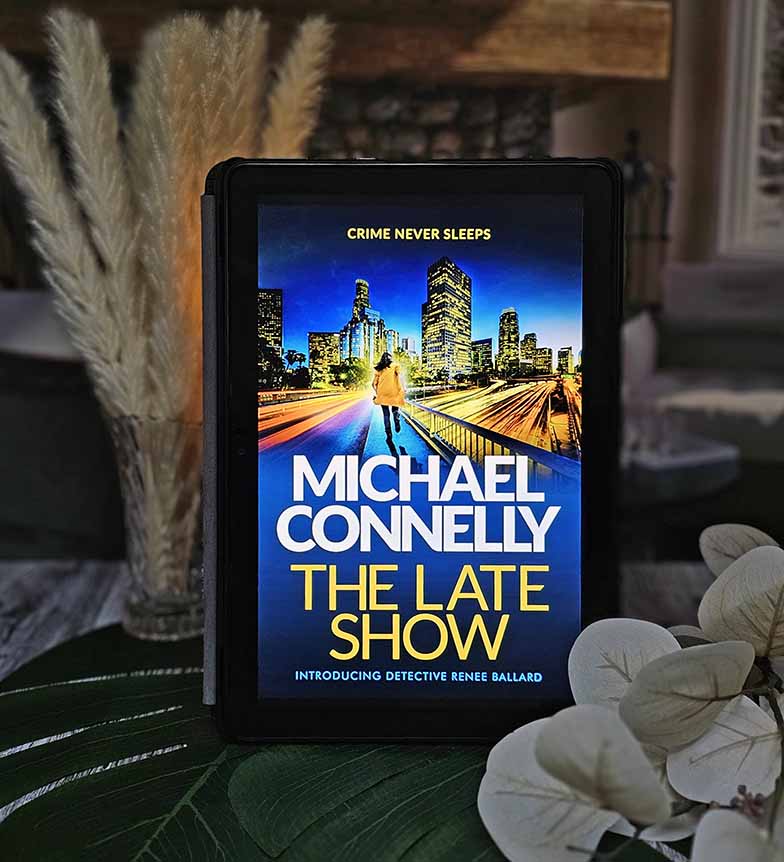
The Late Show
by Michael Connelly
LAPD Detective Renée Ballard works the graveyard shift, catching cases no one else wants. When two cases intersect dangerously, she must go rogue to find justice.
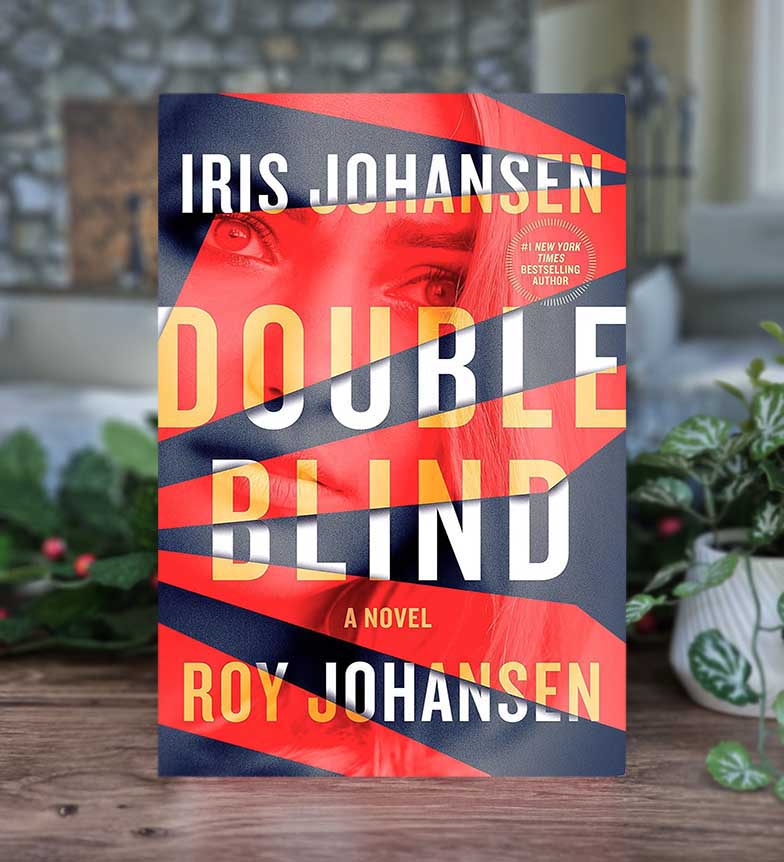
Double Blind
by Iris Johansen
Kendra Michaels, blind for the first twenty years of her life, uses her extraordinary observational skills to hunt a brilliant serial killer in this pulse-pounding thriller.
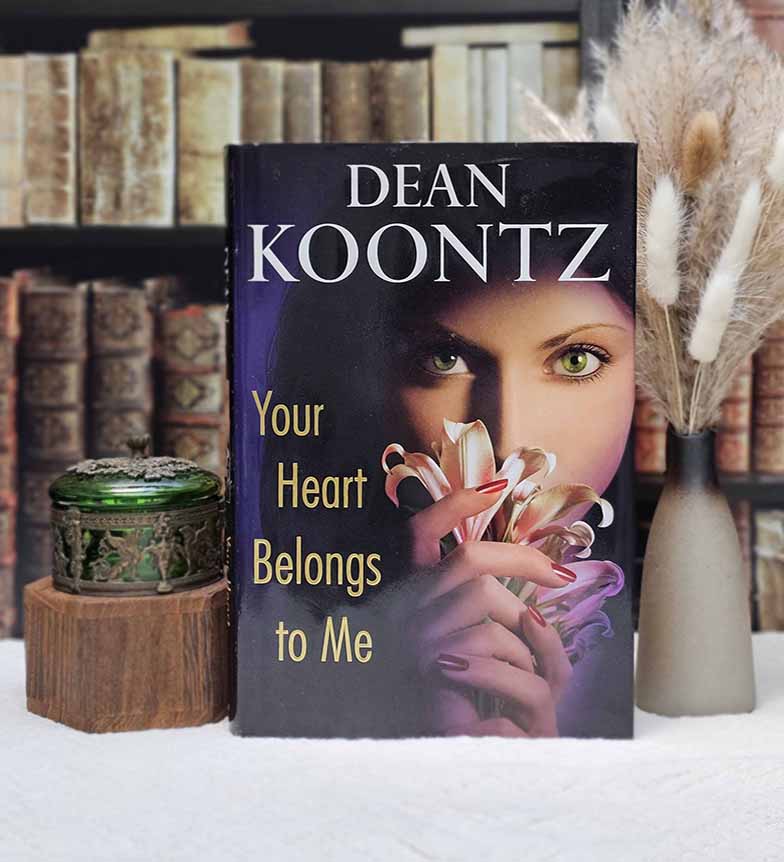
Your Heart Belongs to Me
by Dean Koontz
Dean Koontz's 2008 standalone thriller: Ryan Perry, a thirty-four-year-old internet tycoon, is diagnosed with incurable cardiomyopathy, receives a heart transplant that saves his life - and a year later begins to be stalked by a mysterious woman whose gifts and messages all carry the same chilling refrain: your heart belongs to me.