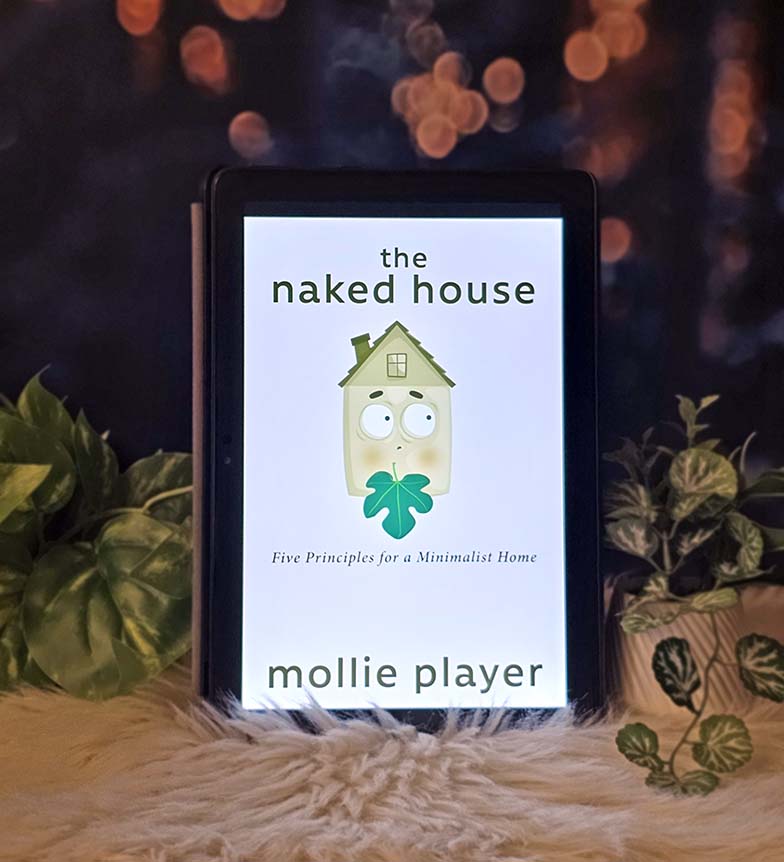
The Naked House
by Mollie Player
Mollie Player's memoir-meets-guide about her family's experiment living with minimal possessions for a year. Personal narrative about discovering what's truly essential through radical decluttering. Engaging storytelling but limited practical application.
Buy this book:
Spoiler Warning
This review may contain spoilers. Read at your own discretion if you haven't finished the book yet.
My Thoughts
The Naked House chronicles Mollie Player's experiment living with her family in a radically decluttered home, stripping possessions to bare essentials to discover what's truly necessary for happiness and function. As memoir, it's engaging and honest. As minimalism guide, it's more inspiration than instruction. The personal narrative has genuine charm, but readers seeking practical decluttering advice may be disappointed.
Player describes how her family moved into a rental house and decided to live with minimal possessions—one set of clothes each, essential kitchenware, basic furniture, and little else. The book follows their year learning what they missed, what they didn't, and how the experiment changed their relationship with stuff and each other.
The storytelling is warm and relatable. Player writes with humor and honesty about the challenges—kids' resistance, visitors' reactions, her own moments of wanting "just one more thing." The personal voice creates connection, making this feel like conversation with friend rather than instruction manual.
The family dynamics are the book's heart. Player explores how her husband and children responded differently to the experiment, how negotiations happened about what counted as "essential," and how the shared experience affected their relationships. These moments of conflict and compromise ring true.
The insights about discovering what's truly necessary are valuable. Player realizes many possessions she thought essential were actually habits or security blankets. The reduced visual clutter created mental clarity. Having less stuff meant less maintenance and more time for relationships and experiences.
However, the book is more personal narrative than practical guide. Player describes her experience without offering much systematic advice for readers wanting to replicate the experiment. There's no step-by-step plan, no troubleshooting guide, no framework for determining your own essentials.
The experiment itself is fairly extreme—most readers won't want or need to reduce possessions to Player's level. The value lies in the thought experiment rather than literal replication. But the book doesn't effectively bridge from her specific experience to adaptable principles for readers with different circumstances.
The writing sometimes veers into precious territory—overly cute observations about childhood wonder or unnecessarily poetic descriptions of simple moments. The tone occasionally feels like it's trying too hard for profundity in everyday experiences.
The book lacks engagement with broader minimalism literature or research about consumption, happiness, and simplicity. Player presents her experience as if discovering truths that have been well-established by minimalism movement. Some acknowledgment of existing discourse would strengthen the work.
There's also limited discussion of privilege. The ability to experiment with extreme decluttering assumes security—knowing you can replace things if needed, having financial resources, controlling your living situation. Player doesn't address how her experiment differs from poverty-induced lack of possessions.
The resolution of the experiment—what happened after the year, what possessions they reacquired, what lessons stuck—is somewhat underdeveloped. The book builds to the experiment's end but doesn't fully explore the long-term impact or how the family integrated lessons into normal life.
The length feels slightly padded—some anecdotes are charming but don't advance insights. The core concepts could be conveyed more concisely. However, the conversational style makes it quick, easy reading.
The photos scattered throughout (if present in your edition) add visual interest and reality to the described spaces, making the "naked house" concept concrete rather than abstract.
Why You Might Enjoy It
- Personal Story: Engaging family narrative
- Honest: Acknowledges challenges, not just benefits
- Relatable Humor: Funny observations about family dynamics
- Inspiring: May motivate own decluttering
- Quick Read: Breezy, conversational style
- Family Perspective: Multiple household members' experiences
- Thought-Provoking: Prompts reflection on essentials
Perfect For
Readers interested in minimalism experiments as inspiration rather than instruction, those who enjoy memoir-style self-help, people curious about extreme decluttering without planning to replicate, parents wondering how minimalism affects families, and anyone seeking light, encouraging read about intentional living.
Final Verdict
The Naked House succeeds as engaging personal narrative about family's minimalism experiment but falls short as practical decluttering guide. Player's storytelling is warm and honest, family dynamics are authentic and relatable, and moments of insight about discovering true essentials have genuine value. The humor about challenges and conflicts rings true, making this feel like conversation with friend about their interesting life choice. However, the book offers more inspiration than instruction—readers seeking systematic advice for their own decluttering won't find practical frameworks. The experiment is extreme enough that direct replication isn't realistic for most readers, and the book doesn't effectively translate specific experience into adaptable principles. Writing occasionally feels precious, broader minimalism context is absent, and privilege enabling the experiment isn't addressed. The resolution and long-term impact are underdeveloped. As memoir about interesting experiment, this is pleasant reading. As minimalism guide, it's limited. Recommended for readers wanting inspiring story rather than practical advice, and those who enjoy personal narrative style self-help. Three stars for engaging storytelling that doesn't fully deliver practical application. Pleasant but not essential minimalism reading.
You Might Also Like
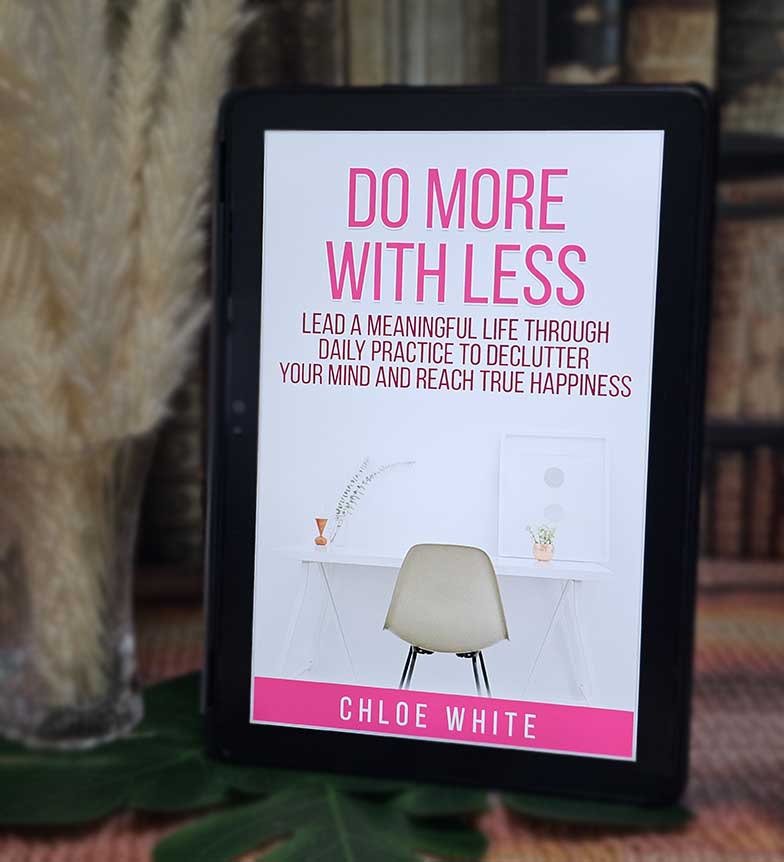
Do More with Less
by Chloe White
Chloe White's minimalism guide about simplifying life to achieve more with fewer possessions and commitments. Practical advice on decluttering, time management, and intentional living. Familiar minimalism territory without much innovation.

Lighter Living
by Lisa J. Shultz
A practical and compassionate guide to simplifying your life by letting go of physical and emotional clutter. Lisa Shultz offers concrete strategies for creating space, reducing overwhelm, and living with greater intention and peace.
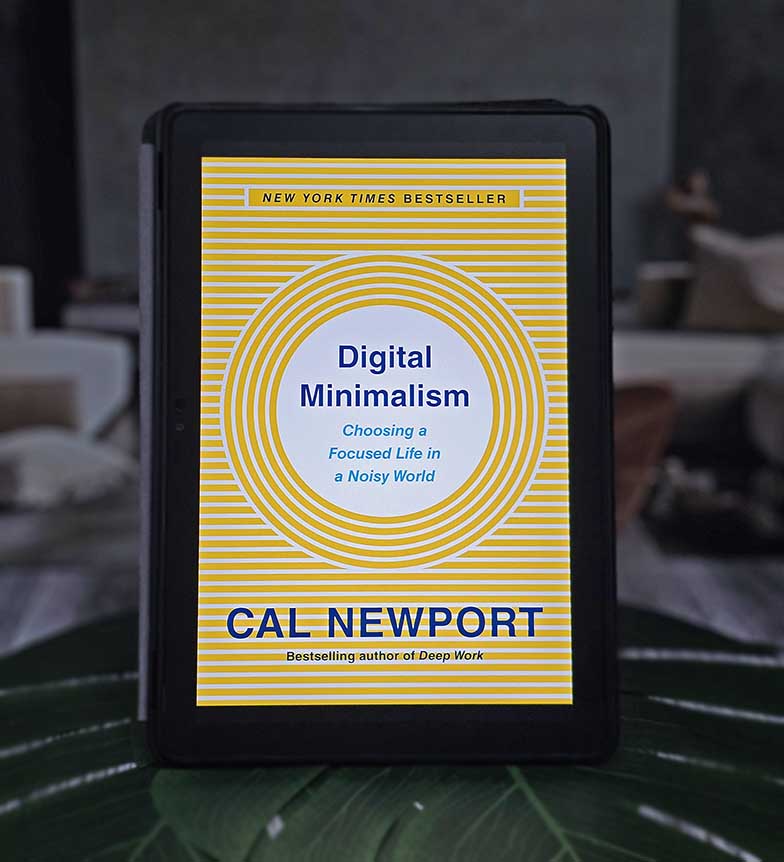
Digital Minimalism
by Cal Newport
A compelling philosophy for technology use in the modern age, arguing for a minimalist approach to digital tools. Cal Newport makes the case for being highly intentional about which technologies you allow into your life and how you use them.