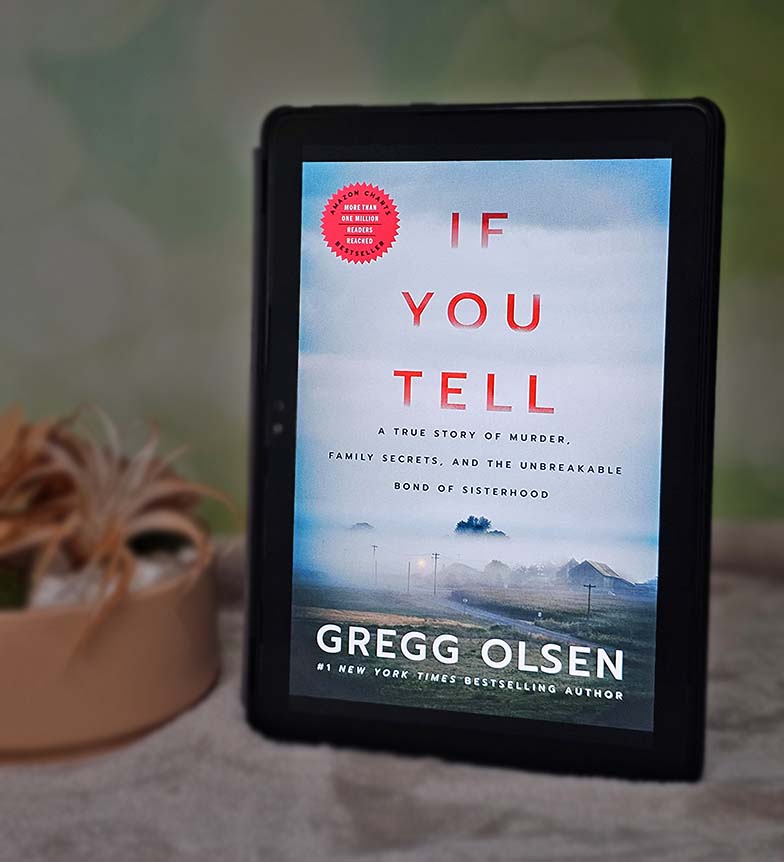
If You Tell
by Gregg Olsen
Gregg Olsen's devastating true crime account of the Knotek sisters and their mother's horrifying abuse and murders. Difficult but important reading about survival, sisterhood, and finally breaking silence. Expertly researched and sensitively handled despite disturbing content.
Buy this book:
Spoiler Warning
This review may contain spoilers. Read at your own discretion if you haven't finished the book yet.
My Thoughts
If You Tell is one of the most disturbing true crime books I've read—chronicling years of torture, abuse, and murder perpetrated by Shelly Knotek against her daughters, husband, and others in their rural Washington home. Gregg Olsen has crafted devastating but necessary account of multi-generational abuse, the courage required to break silence, and the failure of systems meant to protect. This is difficult reading handled with research rigor and sensitivity to survivors.
The book follows the three Knotek daughters—Nikki, Sami, and Tori—growing up under their mother Shelly's regime of escalating abuse. Starting with psychological torture and physical punishment, Shelly eventually imprisoned and murdered houseguests and boarders, forcing her daughters into complicity through fear and manipulation. The sisters' eventual decision to tell authorities, despite terror of their mother and guilt about their own coerced involvement, forms the narrative spine.
Olsen's research is clearly extensive—interviews with the sisters, family members, investigators, and court documents create comprehensive picture of both the abuse and the investigation. The detail level demonstrates serious journalism rather than exploitative crime writing.
The sisters' stories are heartbreaking. Olsen gives them dignity and agency, showing their resistance even under impossible circumstances, their protection of each other, and the courage required to finally report their mother despite years of conditioning to stay silent. They're portrayed as survivors rather than simply victims.
The abuse chronicled is genuinely horrific—torture, starvation, forced labor, psychological manipulation, and eventually murder. Olsen doesn't sensationalize but also doesn't minimize. The descriptions are detailed enough to convey reality without being gratuitously graphic. Content warnings are absolutely necessary for this book.
The exploration of how Shelly operated—isolating her family, manipulating outsiders to see her as caring mother, using intermittent kindness to maintain control, escalating abuse gradually—is chilling because it demonstrates how abuse functions and why it's so difficult to escape or report.
The systems failures are enraging. Teachers, neighbors, family members saw concerning signs but didn't intervene effectively. Child services investigated but accepted Shelly's explanations. The pattern of system failures that enabled decades of abuse is infuriating and sadly common.
However, the book occasionally struggles with structure. The timeline jumps around somewhat, which can be confusing given the multiple victims and long timespan. Clearer chronological organization might improve clarity, though the chosen structure may reflect how the investigation itself unfolded.
The characterization is necessarily limited by the true crime format. We see Shelly's actions but understanding her psychological motivation is challenging—she appears to be sadistic narcissist, but Olsen can only speculate about internal drivers based on observable behavior.
The book is long at over 400 pages, and some readers may find the extensive detail overwhelming. The repeated patterns of abuse, while accurately representing reality, can feel numbing. However, cutting detail would risk minimizing the extent of what occurred.
The prose is clear journalism—Olsen writes with professionalism and restraint appropriate for the material. This isn't literary true crime with stylistic flourishes but straightforward narrative prioritizing clarity and sensitivity to survivors.
The justice outcome is both satisfying (Shelly was eventually convicted and imprisoned) and inadequate (the damage to survivors is permanent, two people were murdered, and the system failed for decades). Olsen acknowledges this complexity rather than presenting simple triumph.
The focus on the sisters' strength and survival provides necessary counter to the horror. Their courage in finally telling, their rebuilding of lives afterward, and their relationships with each other offer hope without minimizing trauma.
Why You'll Find It Compelling
- Extensively Researched: Serious journalism
- Survivor-Centered: Sisters portrayed with dignity
- Systems Critique: Examines failures that enabled abuse
- Sensitively Handled: Difficult content managed respectfully
- Justice Achieved: Eventual conviction
- Important Story: Raises awareness about family abuse
- Sisters' Courage: Inspiring survival narrative
- Well-Written: Clear, professional prose
Perfect For
True crime readers who want serious journalism over sensationalism, those interested in abuse psychology and family violence, people who appreciate survivor-centered narratives, readers seeking justice stories, and anyone interested in how systems fail to protect vulnerable people. Essential content warnings for extreme abuse, torture, and murder.
Final Verdict
If You Tell is devastating, important true crime about Knotek sisters surviving their mother's years of torture and murder, and finding courage to finally tell authorities. Olsen's research is extensive, demonstrating serious journalism—interviews, documents, comprehensive investigation create authoritative account. The sisters are portrayed with dignity as survivors rather than simply victims, their protection of each other and eventual courage to report despite fear is genuinely inspiring. The abuse chronicled is horrific—torture, starvation, murder—handled with sensitivity but not minimization. Systems failures that enabled decades of abuse are infuriating and well-documented. The justice outcome is both satisfying (Shelly imprisoned) and complex (damage is permanent). However, timeline structure can be confusing, characterization is limited by format, length and repeated abuse patterns may overwhelm, and severe content warnings are essential. This is difficult reading, but important for understanding family abuse, coercive control, and survivor courage. Recommended for serious true crime readers comfortable with disturbing content, those interested in abuse psychology and systems failures, and anyone seeking survivor-centered justice narratives. Four stars for excellent journalism handling devastating material with research rigor and sensitivity. Not for everyone due to extreme content, but essential for target audience.
You Might Also Like
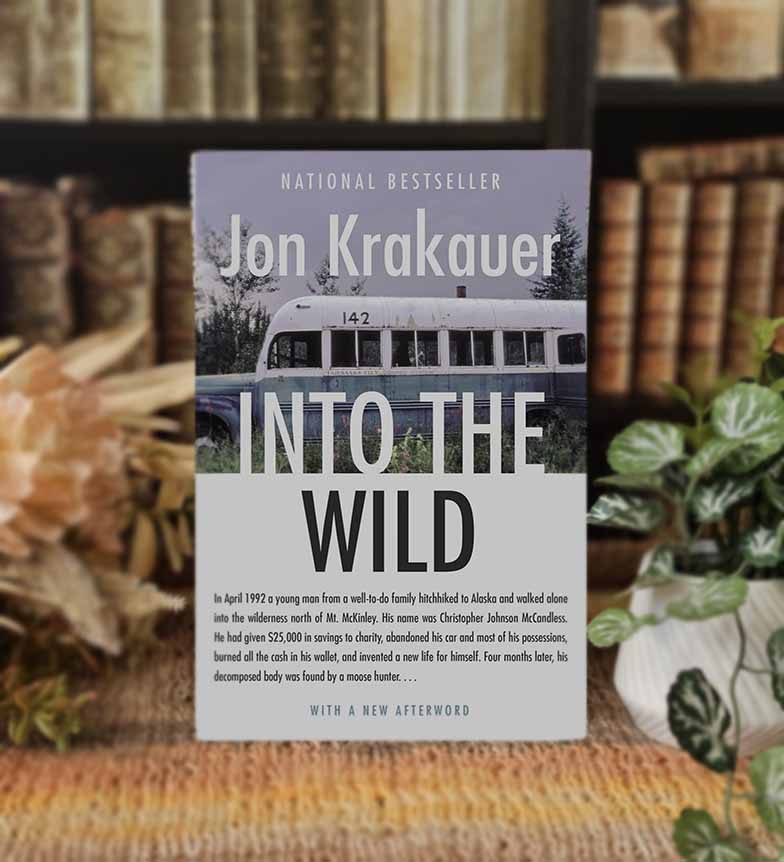
Into the Wild
by Jon Krakauer
The true story of Christopher McCandless, a young man who abandoned everything to live in the Alaskan wilderness, and the tragic end of his journey into the wild.
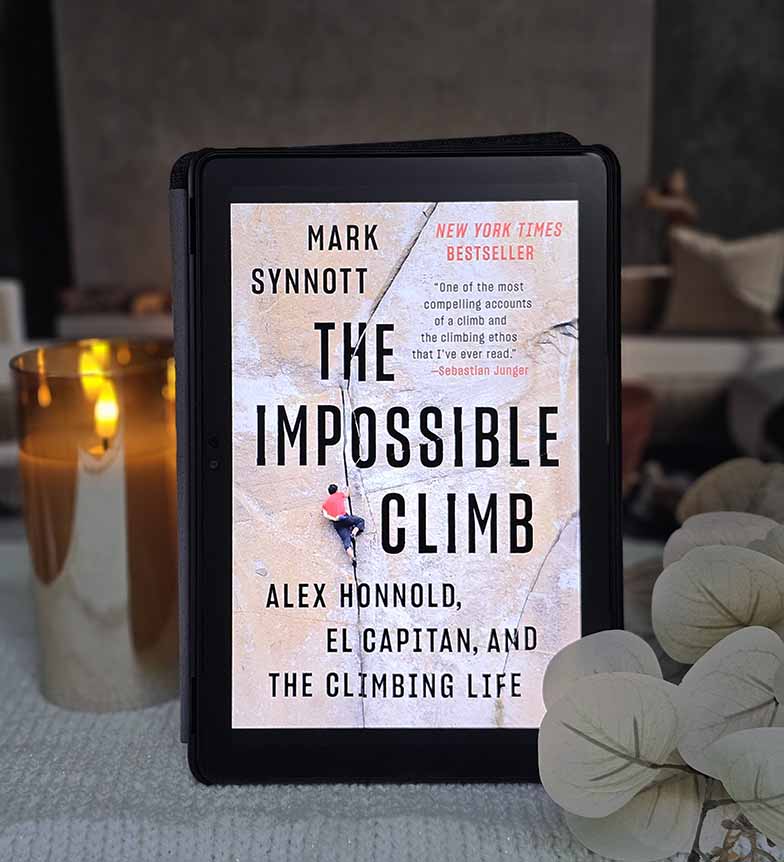
The Impossible Climb
by Mark Synnott
The riveting story of Alex Honnold's historic free solo climb of El Capitan's 3,000-foot Dawn Wall, and the obsessive pursuit of perfection in one of the most dangerous athletic achievements ever attempted.
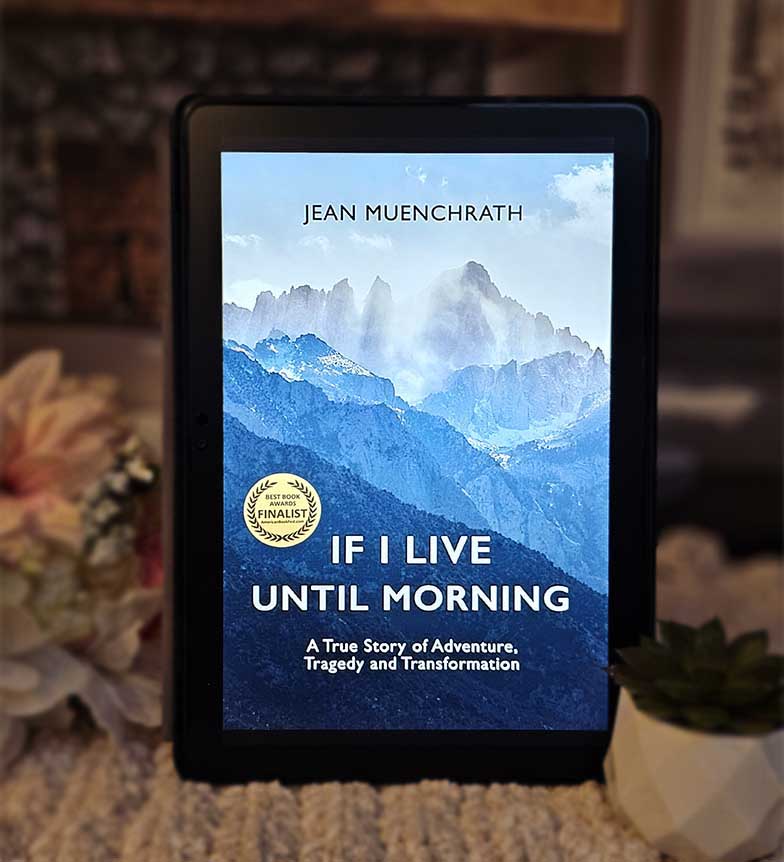
If I Live Until Morning
by Jean Callahan
A gripping true story of the last American evacuation from Can Tho, Vietnam, as the city fell to the Viet Cong in 1975.