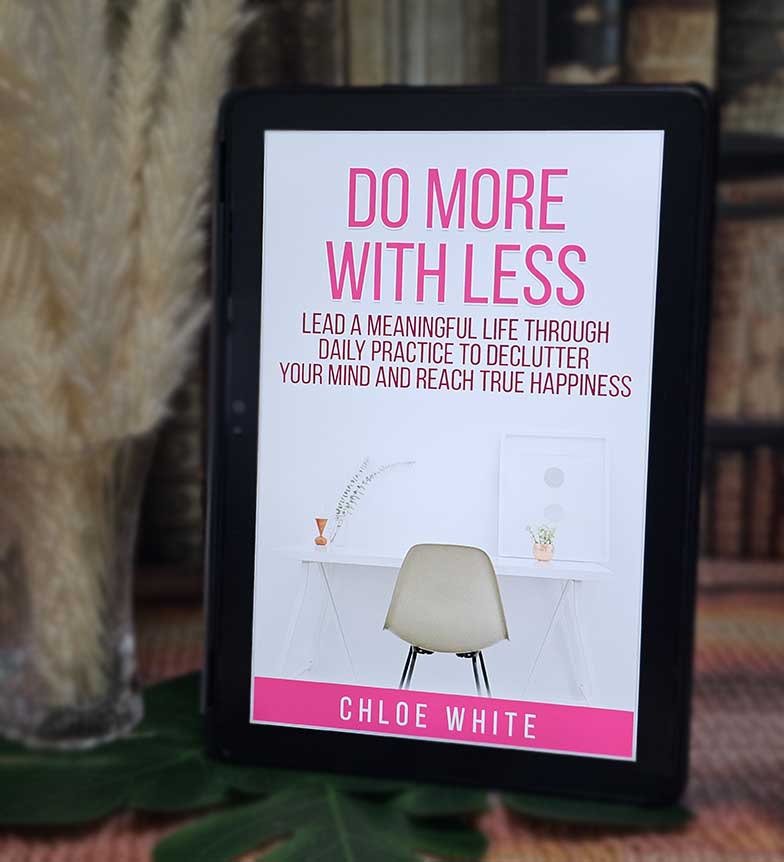
Do More with Less
by Chloe White
Chloe White's minimalism guide about simplifying life to achieve more with fewer possessions and commitments. Practical advice on decluttering, time management, and intentional living. Familiar minimalism territory without much innovation.
Buy this book:
Spoiler Warning
This review may contain spoilers. Read at your own discretion if you haven't finished the book yet.
My Thoughts
Do More with Less covers familiar minimalism territory—decluttering possessions, simplifying schedules, being intentional about commitments, and finding happiness through less rather than more. Chloe White delivers practical, accessible advice that's perfectly fine but offers little innovation or fresh perspective on concepts well-established by Marie Kondo, Joshua Becker, and other minimalism advocates.
The book is organized into sections covering physical possessions, time management, digital life, relationships, and financial simplification. Each chapter offers practical steps, examples, and reflection questions. The structure is clear and logical, making the content easy to digest and implement.
White's writing is conversational and encouraging—she positions herself as fellow traveler on minimalism journey rather than guru dispensing wisdom from mountaintop. This approachable tone makes the content accessible, though it occasionally veers into cheerleading that feels more motivational-poster than substantive guidance.
The decluttering advice is standard minimalism fare—keep what serves you, donate or discard the rest, focus on quality over quantity, create systems to prevent re-accumulation. If you've read other minimalism books, you've encountered these concepts. White presents them clearly but doesn't add new angles or insights.
The time management section advocates saying no to commitments that don't align with values, creating margin in schedules, and being intentional about how time is spent. This is sound advice delivered competently but not memorably. The concepts are valuable, execution is just functional.
The digital minimalism chapter addresses social media use, email management, and digital clutter. Again, this is important topic handled adequately but without the depth or specificity of Newport's Digital Minimalism or other focused works on the subject. White covers the basics without going deeper.
The relationship section about simplifying social commitments and focusing on meaningful connections is probably the book's strongest. White discusses the courage required to let some relationships fade while investing in those that matter most. This feels more personal and less generic than some sections.
The financial simplification advice—reducing expenses, avoiding lifestyle inflation, focusing spending on values—is minimalism 101. Sound principles presented clearly but without financial expertise or innovative strategies beyond what any basic personal finance resource covers.
The reflection questions scattered throughout could be valuable for readers new to these concepts, prompting self-examination about values, priorities, and current life choices. They're thoughtfully constructed even if not groundbreaking.
However, the book suffers from lack of depth. Each topic is introduced, basic principles outlined, and practical steps suggested—but rarely is there deep examination of why these patterns exist, psychological barriers to change, or nuanced discussion of when minimalism principles might not apply.
The examples, while relatable, feel generic. White shares anecdotes about her own journey and others who've simplified, but they lack specificity that would make them memorable or particularly illustrative. They serve the text but don't elevate it.
The book also lacks acknowledgment of privilege in minimalism discourse. Decluttering assumes you have excess to discard. Simplifying schedules assumes control over your time. Financial simplification assumes resources to manage. White doesn't address how minimalism advice applies (or doesn't) across different socioeconomic circumstances.
The length feels slightly padded—the core concepts could be conveyed in fewer pages. Some sections repeat ideas from earlier chapters with slight variation. Tighter editing would strengthen the work.
The absence of citations or research beyond anecdotal evidence limits credibility. Claims about stress reduction, happiness increase, and productivity improvement from minimalism aren't backed by studies or data. It's presented as self-evident without examination.
Why You Might Find It Useful
- Accessible Introduction: Good starting point for minimalism curious
- Practical Steps: Actionable advice throughout
- Conversational Tone: Easy, encouraging reading
- Comprehensive Topics: Covers multiple life areas
- Reflection Questions: Prompt self-examination
- Clear Organization: Logical structure
- Quick Read: Can be completed in few sittings
Perfect For
Readers completely new to minimalism concepts, those wanting gentle introduction without challenging complexity, people seeking practical checklist-style guidance, anyone looking for quick overview of simplification strategies, and readers who prefer encouraging cheerleading tone to critical examination.
Final Verdict
Do More with Less is perfectly adequate introduction to minimalism concepts—decluttering, time management, intentional living—delivered in accessible, encouraging style. White's conversational tone makes content approachable, practical steps are clearly outlined, and reflection questions prompt useful self-examination. The structure is logical, covering physical possessions, time, digital life, relationships, and finances comprehensively if not deeply. However, anyone familiar with minimalism literature will find nothing new here—these are established concepts presented competently but without innovation or fresh perspective. The content lacks depth, examples feel generic, and there's no acknowledgment of privilege in minimalism discourse. Claims aren't supported by research beyond anecdote. Length feels padded with some repetition. Recommended only for readers completely new to minimalism who want gentle, practical introduction. Anyone who's read Kondo, Becker, Newport, or other established minimalism authors can skip this safely—you've encountered these ideas before, presented as well or better elsewhere. Three stars for competent execution of familiar material without distinctive contribution to the genre. Fine, not memorable.
My Notes & Takeaways
"A minimalist mindset is about letting go and making permanent life changes."
Benefits of Minimalism
"Space for what matters – You will have more time and more money to pursue what is most significant to you. … It goes without saying that this practice will help eliminate much of the unnecessary stresses in life while also welcoming more positive thoughts.
A clear mind: When there is more clean space in your home and surroundings, you will have more clarity of mind and thought. A calmer and less agitated mind will also mean more creative ideas and more nurturing, better relationships.
Freedom: When we break away from the habit of purchasing and filling our houses with things only to impress, we'll be able to redefine then meaning of success and stop living for other people.
Positive lifestyle and mindset changes: If you pursue material things, experiences, and relationships only for that next Instagram-worthy photo, you will never find satisfaction in life. On the other hand, minimalism promotes a lifestyle that helps you slow down, ignore the outside noise, and focus on what truly matters.
Eco-conscious habits: When you consume and waste less, you are contributing towards a greener and less polluted planet."
Digital Minimalism
"Nowadays, the space you have is not just confined to physical ones like your house or office. It also includes your digital space. The time you spend interacting with your digital space may even be longer than the time you spend with family and friends. Try to think of your digital space as the space created by the Internet, including social media, remote work, or phone applications."
"Your digital space is an extended version of your daily life. With all the time and energy we spend on our phones and computers, digital minimalism becomes equally important as any of your daily minimalism practices. Reducing the time you spend looking at screens will free up so much time and energy that you can use to be more productive."
You Might Also Like
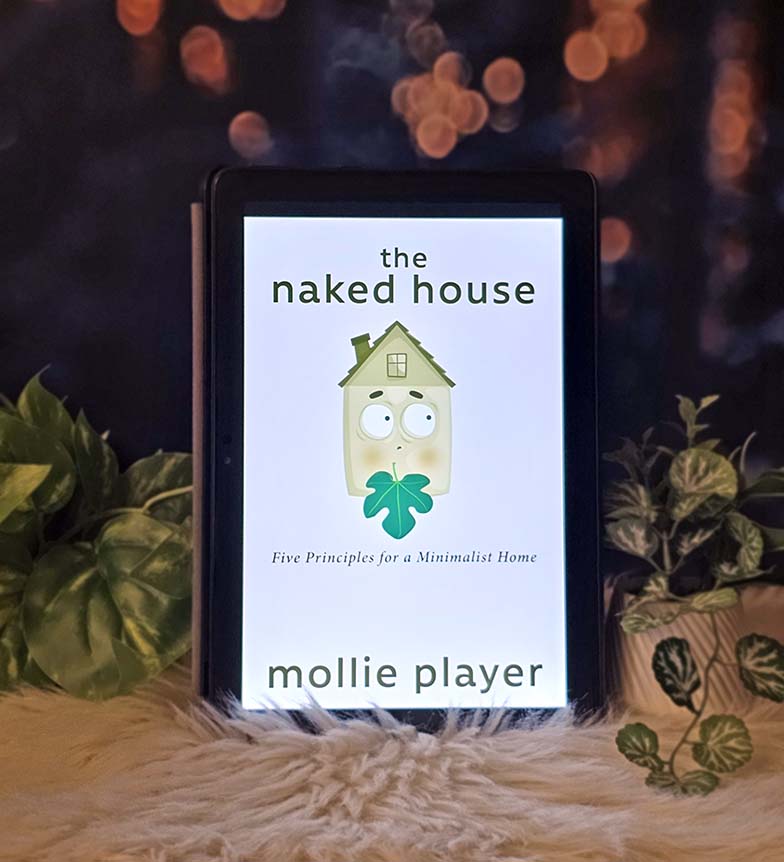
The Naked House
by Mollie Player
Mollie Player's memoir-meets-guide about her family's experiment living with minimal possessions for a year. Personal narrative about discovering what's truly essential through radical decluttering. Engaging storytelling but limited practical application.

Lighter Living
by Lisa J. Shultz
A practical and compassionate guide to simplifying your life by letting go of physical and emotional clutter. Lisa Shultz offers concrete strategies for creating space, reducing overwhelm, and living with greater intention and peace.
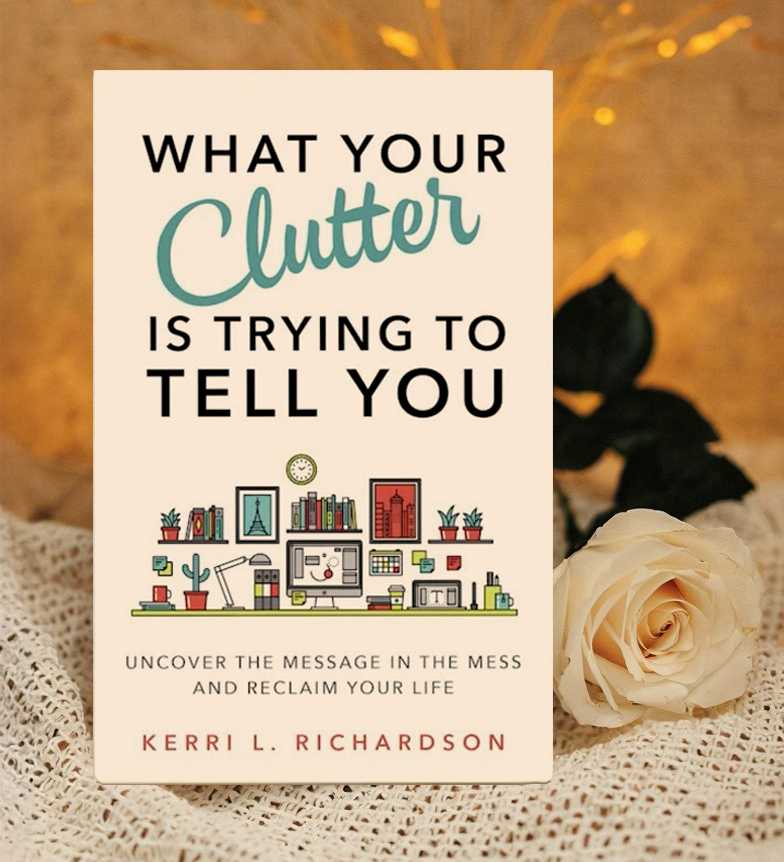
What Your Clutter is Trying to Tell You
by Kerri L. Richardson
A thoughtful exploration of the emotional and psychological aspects of clutter. Richardson goes beyond simple organizing tips to examine what our possessions reveal about our inner lives and relationships.