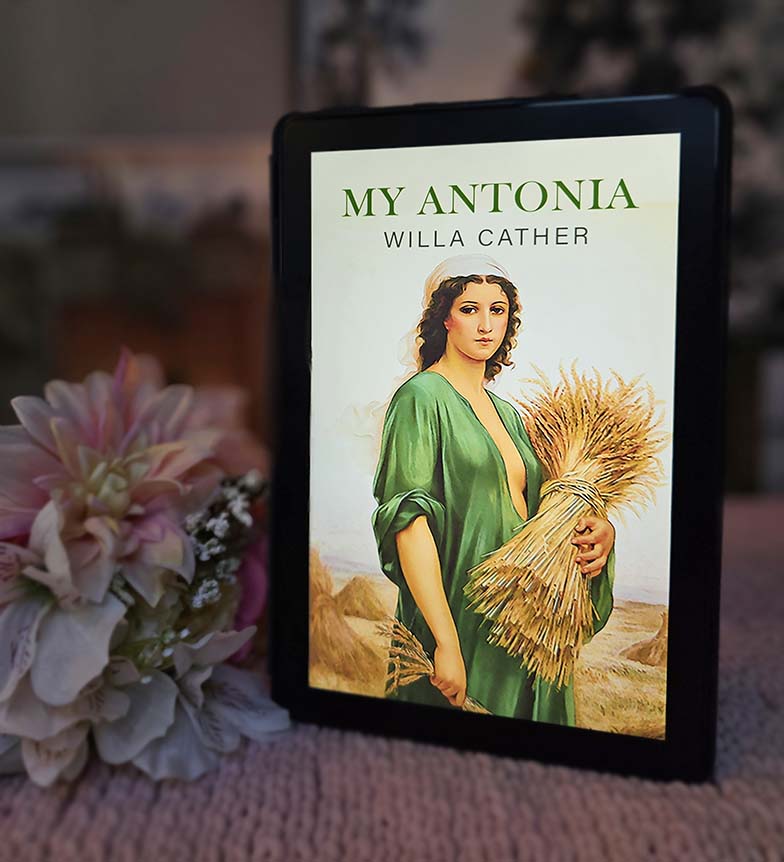
My Ántonia
by Willa Cather
Willa Cather's American masterpiece about Ántonia Shimerda, a Bohemian immigrant girl on the Nebraska prairie, told through the nostalgic memories of childhood friend Jim Burden. Luminous prose, elegiac tone, and one of literature's most enduring portraits of pioneer life and immigrant experience.
Buy this book:
Spoiler Warning
This review may contain spoilers. Read at your own discretion if you haven't finished the book yet.
My Thoughts
My Ántonia is one of those rare classics that fully deserves its status—a novel of remarkable beauty, depth, and humanity that captures something essential about American experience, immigrant life, and the relationship between memory and meaning. Willa Cather's prose is luminous without showing off, the characterization is subtle and profound, and the cumulative emotional effect is powerful.
The novel is framed as the reminiscences of Jim Burden, looking back on his childhood friendship with Ántonia Shimerda, a Bohemian (Czech) immigrant girl he met when both were newly arrived on the Nebraska prairie as children. The narrative follows their lives from childhood through adulthood, though with a deliberately non-linear, episodic structure that mimics how memory actually works—not a straightforward plot but a series of vivid moments.
Ántonia herself is one of American literature's most memorable characters—vital, hardworking, resilient, shaped by hardship but not broken by it. She's not idealized (Cather shows her limitations and disappointments) but profoundly human. The portrait is rendered through Jim's perspective, which means we see both who Ántonia is and what she represents to Jim—a connection to vitality, land, and a less complicated past.
The immigrant experience is central but handled with remarkable specificity and sympathy. Cather shows the brutal difficulty of pioneer life for immigrants who arrived with little preparation for prairie farming. The Shimerda family's struggles—poverty, isolation, language barriers, cultural dislocation, eventual tragedy—are rendered without sentimentality or condescension. The novel captures both the promise of America and its harsh realities.
The Nebraska prairie is as much a character as any person. Cather's descriptions of the landscape—the endless grassland, the sky, the seasons, the harsh winters and brief intense summers—are gorgeously evocative. She captures both the beauty and the brutality, the way the land shapes the people who work it. The prairie is never just backdrop; it's force and presence.
The structure is deliberately episodic and nostalgic, which some readers find frustrating—there's no conventional plot building to climax. Instead, we get moments: the Christmas gathering where immigrant families share their cultures, the story of Pavel and Peter and the wolves, the hired girls who came from farms to work in town, the dancing lessons, the tent where blind d'Arnault plays piano. These accumulate into portrait rather than narrative arc.
The tone is elegiac—looking back at lost time with affection, some regret, and recognition that the past can't be recovered. Jim's nostalgia colors everything, which is both strength and limitation. We see people and places through the softening lens of memory, which creates beauty but also raises questions about accuracy and whose story is being told.
The gender dynamics are interesting and somewhat complicated. Ántonia and the other immigrant women ("hired girls") are characterized by vitality, strength, and connection to physical labor and land. The town women are often portrayed as narrow, snobbish, and less alive. There's both celebration of female strength and certain romanticization of peasant vitality that reflects Cather's own complicated relationship with gender, class, and sexuality.
The famous "hired girls" section is wonderful—Cather's portraits of these young immigrant women working in town, dancing, courting, navigating between their families' old-world values and American opportunities. She gives them dignity, complexity, and specificity without turning them into types. Each is individual while also representing larger experiences.
The character of Lena Lingard deserves special mention—the Norwegian girl who becomes successful dressmaker and maintains her independence, refusing marriage despite proposals. She's beautifully drawn, representing a different path from Ántonia's, neither valorized nor condemned. Cather's sympathy for multiple ways women navigate limited options is notable.
Jim as narrator is interesting—educated, somewhat detached from physical life, nostalgic for vitality he associates with Ántonia and the prairie. His perspective is both the novel's strength (elegiac beauty) and potential limitation (is this Ántonia's story or Jim's feelings about Ántonia?). Readers disagree about how critically we're meant to view Jim's romanticization.
The famous plow-against-the-sunset image is deservedly iconic—a perfect example of Cather's ability to create moments that crystallize emotion and meaning through concrete detail. She's master of the significant object or scene that carries symbolic weight without feeling heavy-handed.
The prose is deceptively simple—clear, direct, beautiful without ornament. Cather can convey profound emotion through straightforward description. Her sentences have rhythm and music without calling attention to their craft. This transparency is deliberate artistry, letting story and character shine.
The ending, jumping forward to Jim's return and finding adult Ántonia, is both satisfying and bittersweet. Ántonia has endured hardship, disappointment, hard work—and retained her essential vitality. She's surrounded by children, rooted in land, unchanged in fundamental ways. Whether this represents triumph or limitation has been debated.
The book's reputation as great American literature is deserved—it captures something essential about frontier experience, immigrant life, the passing of ways of life, and the role of memory in constructing meaning. It's also deeply personal, rooted in Cather's own Nebraska childhood and relationships.
However, readers should know this isn't conventional narrative. There's no dramatic plot, no building tension and climax. It's portrait and memory, accumulation of moments rather than driving story. For readers needing narrative momentum, this can feel frustratingly static. For those who appreciate elegiac character study, it's perfectly structured.
Why You'll Love It
- Luminous Prose: Beautiful without showiness
- Ántonia: Unforgettable character, profoundly human
- Prairie Setting: Gorgeously evoked landscape
- Immigrant Experience: Specific, sympathetic portrayal
- Elegiac Tone: Memory and nostalgia handled beautifully
- Historical Detail: Pioneer life rendered vividly
- Emotional Depth: Cumulative power
- American Classic: Deserves its status
Perfect For
Readers who appreciate literary classics, those interested in American frontier and immigrant experience, fans of character-driven literary fiction, people who love beautiful prose without stylistic showiness, anyone interested in early 20th-century women writers, and readers who enjoy elegiac, nostalgic narratives. Best for those who don't require plot-driven structure and appreciate accumulation of moments creating portrait.
Final Verdict
My Ántonia is a genuine American masterpiece—beautifully written, emotionally profound, capturing something essential about immigrant experience, frontier life, and the relationship between memory and meaning. Ántonia is unforgettable—vital, resilient, profoundly human. The Nebraska prairie is gorgeously evoked, both beautiful and brutal. Cather's prose is luminous—clear, direct, musical without ornament. The immigrant portraits are specific and sympathetic, showing both promise and harsh reality of American frontier life. The elegiac tone and episodic structure work perfectly for the material, even if they frustrate readers wanting conventional plot. The "hired girls" section is wonderful, giving immigrant women dignity and complexity. The emotional accumulation creates powerful effect by the end. However, this isn't plot-driven narrative—it's character study and memory, portrait rather than story. Some readers find the structure frustratingly static. Jim's nostalgic perspective is both strength (creates beauty) and potential limitation (whose story is this?). Questions about romanticization of peasant vitality and gender dynamics persist. But these complications don't diminish the novel's achievement. This is one of American literature's great works, deserving its classic status. Highly recommended for readers who appreciate literary fiction, beautiful prose, and character-driven narratives that accumulate emotional power through episodic structure. Essential American literature.
You Might Also Like
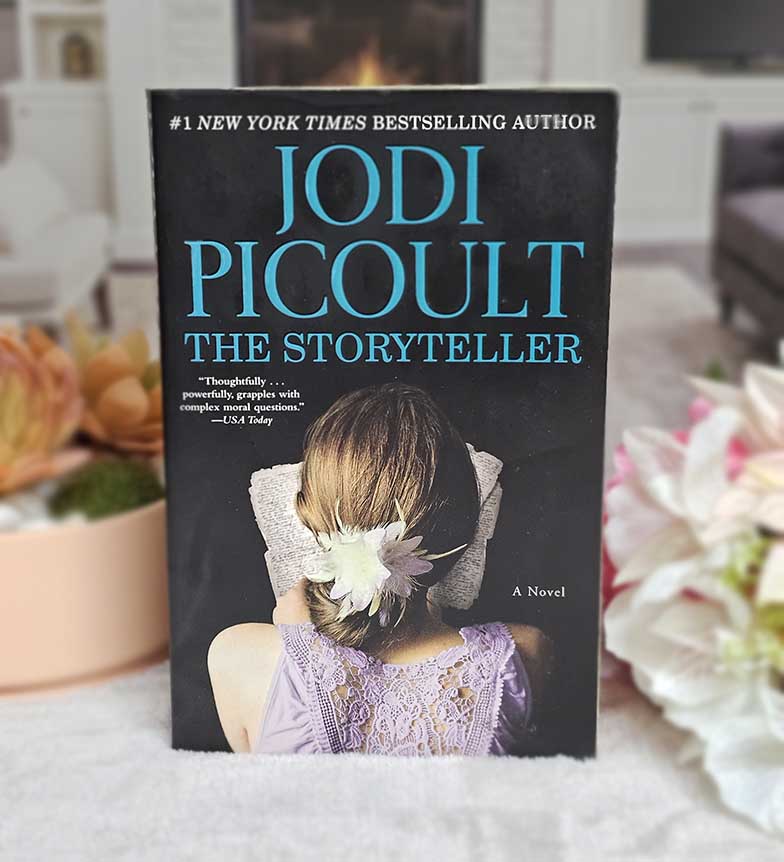
The Storyteller
by Jodi Picoult
Jodi Picoult's powerful novel about Sage Singer, a baker who befriends a 90-year-old man who confesses to being an SS officer at Auschwitz and asks her to help him die. A profound exploration of forgiveness, justice, and whether some crimes are unforgivable, told through multiple perspectives and timelines.
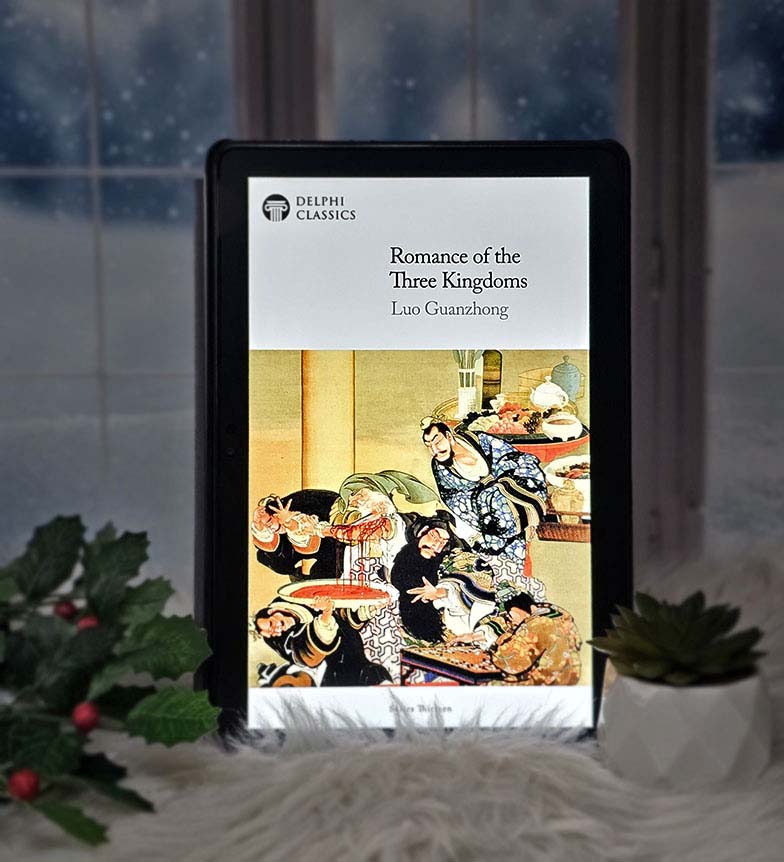
Romance of the Three Kingdoms
by Luo Guanzhong
One of China's Four Great Classical Novels, this epic historical saga chronicles the fall of the Han Dynasty and the three-way power struggle that followed. A monument of Chinese literature filled with battles, strategies, and legendary heroes—but extremely challenging for modern Western readers.
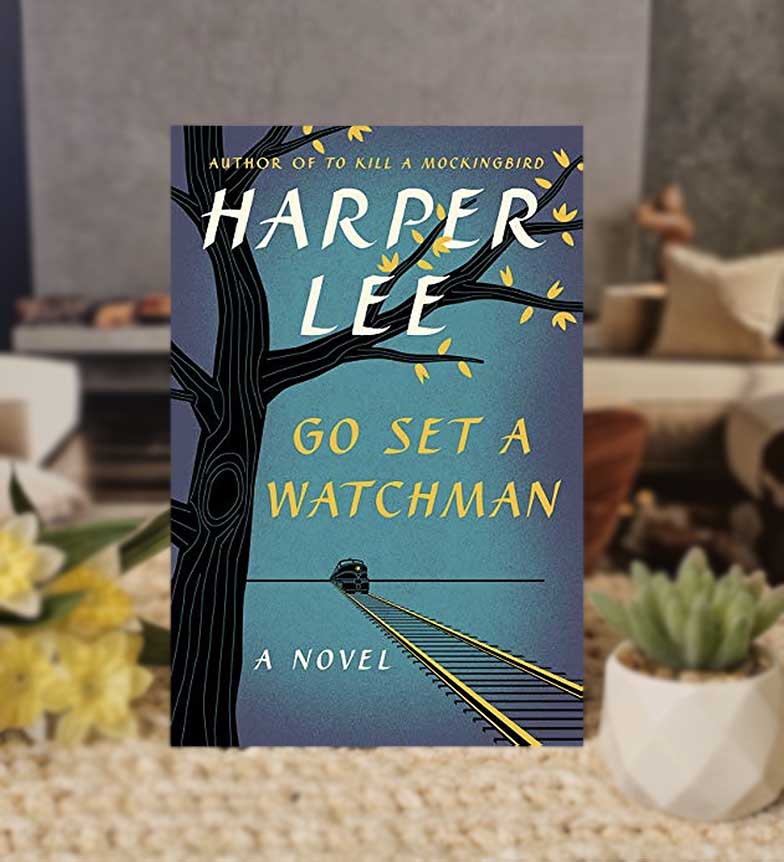
Go Set a Watchman
by Harper Lee
An adult Scout returns to Maycomb, Alabama, and must grapple with her father Atticus's views on race in this controversial novel, written before To Kill a Mockingbird.