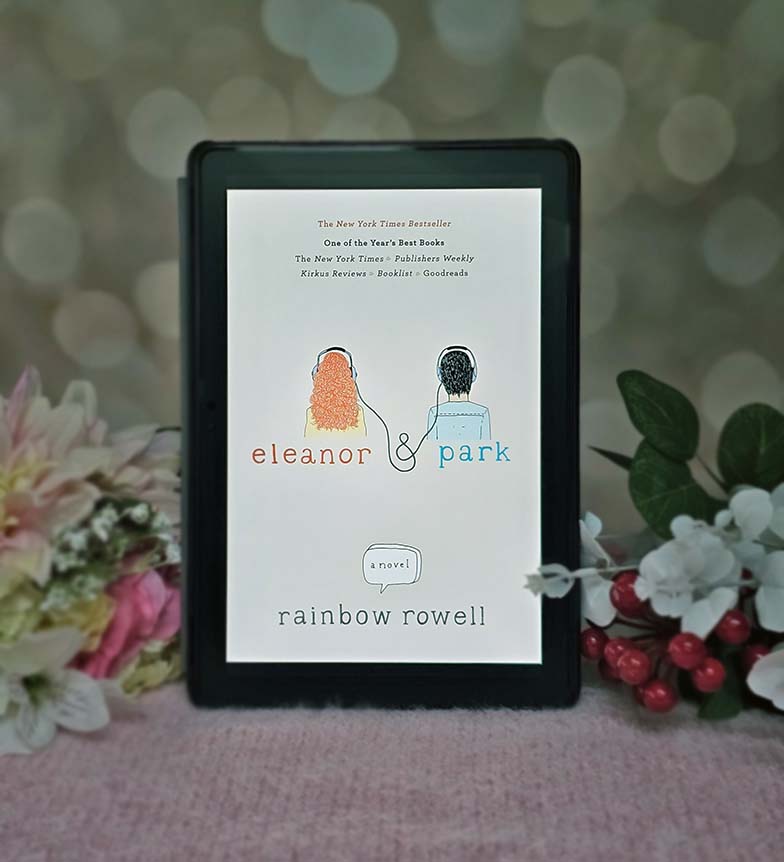
Eleanor & Park
by Rainbow Rowell
Rainbow Rowell's beloved YA novel about two misfit teenagers who fall in love on the school bus in 1986 Omaha. A tender, painful story about first love, abuse, racism, and finding someone who sees you—praised for representation but not without controversy.
Buy this book:
Spoiler Warning
This review may contain spoilers. Read at your own discretion if you haven't finished the book yet.
My Thoughts
Eleanor & Park is one of those YA novels that readers either adore with fierce devotion or find disappointing and problematic. It's been praised as groundbreaking representation and criticized for stereotyping. It's been celebrated as a tender first-love story and critiqued for romanticizing dysfunction. My experience fell somewhere in the complicated middle—I appreciated what Rowell was attempting but found the execution uneven.
Set in Omaha in 1986, the story follows Eleanor and Park, two misfit teenagers who sit together on the school bus and gradually fall in love. Eleanor is the new kid—weird clothes (mixing patterns in ways that attract mockery), red curly hair, bigger body, living in an abusive household with her terrible stepfather. Park is Korean American, quiet, into comics and new wave music, trying to keep his head down. Neither fits in, though Park has established at least a tenuous peace with his environment while Eleanor is immediately targeted.
The romance develops slowly and sweetly through shared comic books and mix tapes. Rowell captures the intensity and particularity of first love beautifully—the way small gestures become enormous, how holding hands feels revolutionary, the hyperawareness of the other person's presence. The 1980s setting adds nostalgic texture without overwhelming the story (unlike some books that bludgeon you with period details).
The dual perspective works well, showing how Eleanor and Park see themselves versus how they see each other. Eleanor, convinced she's grotesque, doesn't understand why Park would look at her twice. Park, insecure about his Asian heritage in a predominantly white school, sees Eleanor as brave and fascinating. This mutual "you're better than you think you are" dynamic is touching and feels authentic to teenage insecurity.
The depiction of Eleanor's abusive home life is harrowing and realistic. Her stepfather is genuinely menacing. The poverty, overcrowding, and constant threat of violence are rendered without sensationalism. Eleanor's hypervigilance, her shame about her living situation, and her desperate need for escape ring painfully true. Rowell doesn't flinch from showing how abuse shapes behavior and self-perception.
However, the abuse storyline ultimately raised questions for me about the book's choices. The resolution—particularly Eleanor's departure and the ending—feels simultaneously rushed and drawn out. The balance between romance and abuse narrative never quite stabilizes. The book can't decide if it's primarily a sweet first-love story that happens to include difficult family circumstances or a serious examination of domestic abuse that includes romance.
The controversy around Park's characterization is worth addressing. Some Asian American readers have celebrated finally seeing an Asian American male romantic lead in YA. Others have criticized how Park is described, particularly repeated references to his eyes that some readers found perpetuating stereotypes. There's also debate about how Park's Korean heritage is portrayed through his white mother's perspective versus his Korean father's mostly silent presence.
As a non-Asian reader, I can't adjudicate this debate, but I recognize that representation that makes some readers feel seen can simultaneously make others feel misrepresented. It's notable that a book praised for diversity has also been criticized by members of the community it represents. This complexity matters.
The 1980s setting initially seems like a reasonable choice for a time when neither character would have the online communities that might help them feel less alone. However, it also means the book doesn't grapple with contemporary conversations about race, body image, or abuse. The period setting becomes almost too convenient—a way to tell a certain kind of story without engaging with how those issues are understood now.
Park's family dynamic is interesting—his parents have their own complexities, and his mother's sometimes harsh judgment of Eleanor reveals her own concerns about fitting in and protecting her son. But Park's father remains somewhat one-dimensional, defined primarily by being a veteran and having traditional masculine expectations.
Eleanor's siblings are barely sketched, which feels like a missed opportunity given the family dynamics. Her mother's passivity in the face of the stepfather's abuse is realistic but frustrating. The book captures how abuse traps everyone but doesn't quite dig into the complexity of the mother's position beyond showing her as defeated.
The ending has been divisive among readers, and I understand why. Without spoiling, it feels simultaneously inevitable and unsatisfying. The final gesture—the postcard—is both heartbreaking and frustratingly ambiguous. It's realistic that teenage first loves don't always have neat resolutions, but the execution leaves multiple threads hanging in ways that feel more like avoidance than intentional ambiguity.
Rowell's prose is generally strong—natural-sounding dialogue, good voice distinction between Eleanor and Park, effective emotional beats. The comic and music references create texture without requiring deep familiarity to follow the story. The pacing mostly works, though the middle sags somewhat.
The secondary characters are thinly drawn—mostly archetypes (bullies, mean girls, loyal friend) rather than people. Given the intimate focus on Eleanor and Park's developing relationship, this might be intentional, showing how first love narrows the world. But it also makes the high school setting feel more generic than the specificity of the main characters deserves.
Why You Might Like It
- First Love Intensity: Captures the feeling beautifully
- Dual Perspective: Both voices distinct and authentic
- Realistic Abuse Depiction: Doesn't sugarcoat family violence
- 1980s Nostalgia: Comics, mix tapes, new wave music
- Misfit Romance: Two outsiders finding each other
- Asian American Lead: Park as romantic protagonist
- Emotional Honesty: Real feelings, no easy answers
Perfect For
Readers who loved Fangirl or other Rainbow Rowell books, fans of realistic YA romance that doesn't shy from difficult topics, those nostalgic for 1980s youth culture, readers seeking diverse protagonists in contemporary YA, and anyone who remembers the overwhelming intensity of first love. Best for readers who appreciate bittersweet endings and can engage with representation debates thoughtfully.
Final Verdict
Eleanor & Park has tender moments, realistic emotion, and tackles difficult topics without cheap resolution. Rowell's portrayal of first love's intensity is spot-on, and Eleanor's home situation is harrowing and respectfully handled. However, the book never quite balances its dual focus on romance and abuse. The ending feels simultaneously inevitable and unsatisfying. And the representation that makes some readers feel seen has been criticized by others in the communities represented, which complicates simple celebration. I wanted to love this more than I did—the pieces are there for something powerful, but the execution doesn't fully deliver. The intense devotion many readers feel suggests this deeply resonates for some; it just didn't quite work for me, landing somewhere between appreciation and disappointment. Worth reading, particularly for fans of Rowell's other work, but not the unqualified masterpiece some claim.
You Might Also Like
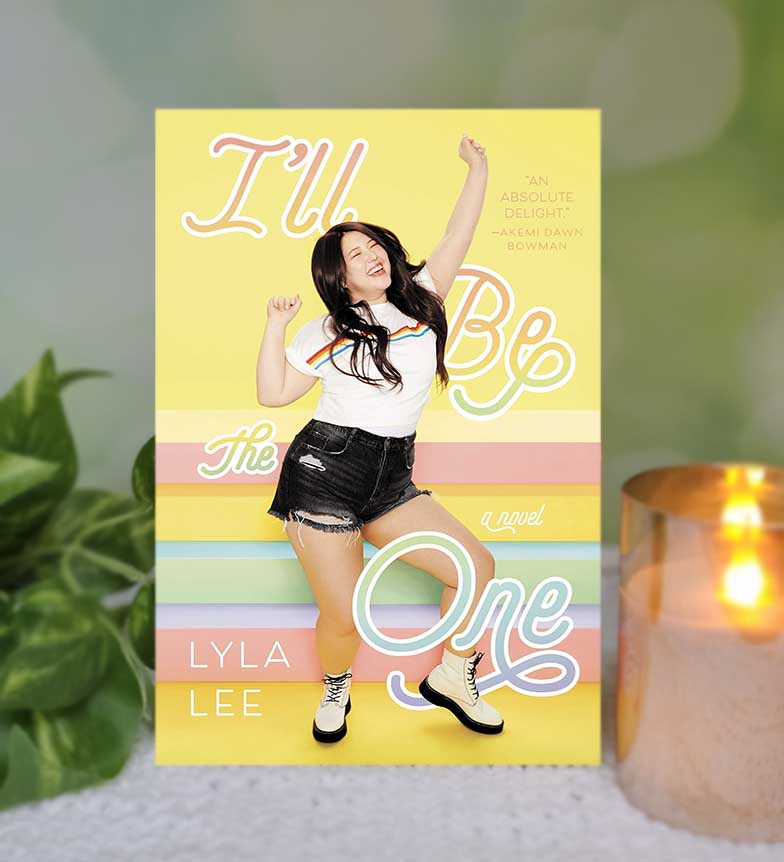
I'll Be the One
by Lyla Lee
Skye Shin is a plus-size Korean-American girl who dreams of becoming a K-pop star. When a reality show offers her the chance, she must defy expectations and prove that talent has no size limit.
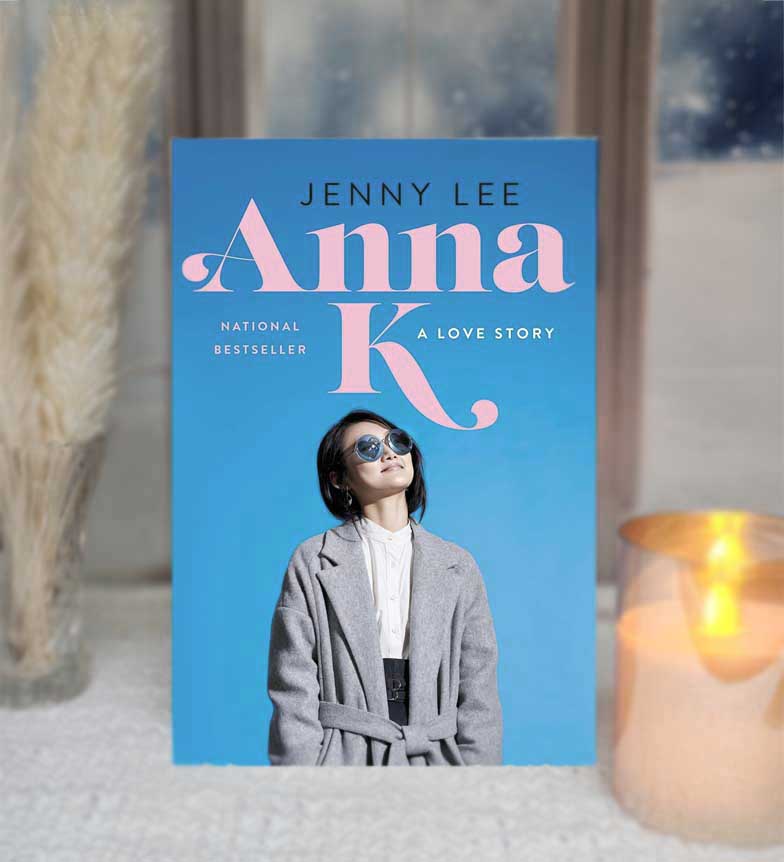
Anna K: A Love Story
by Jenny Lee
A modern retelling of Anna Karenina set among the elite teenagers of New York and Greenwich. Anna K has the perfect life until she meets Alexia Vronsky and everything changes.
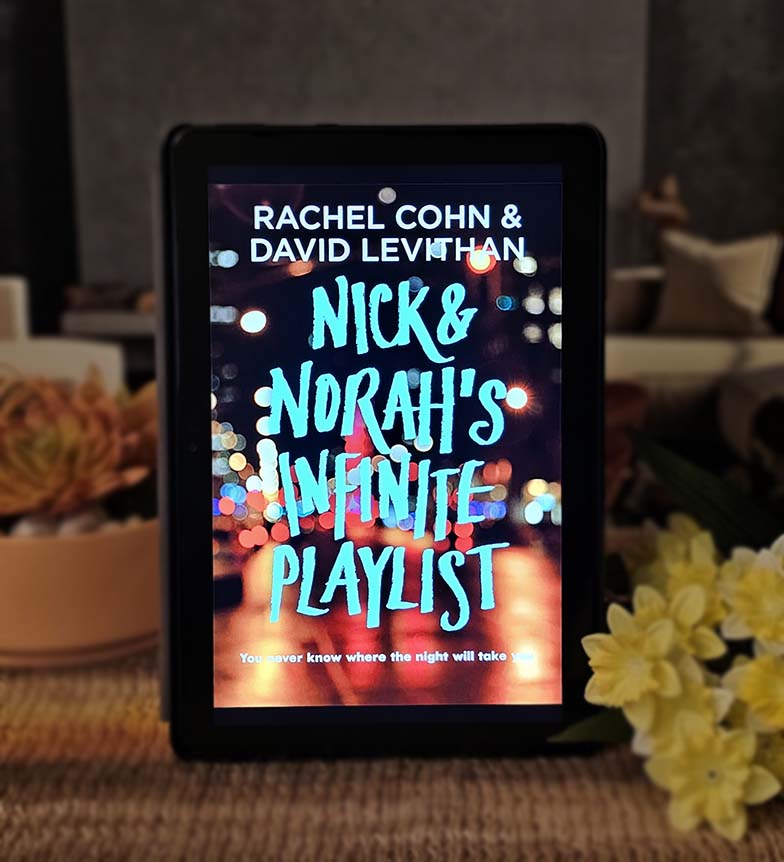
Nick & Norah's Infinite Playlist
by Rachel Cohn, David Levithan
A YA romance told in alternating perspectives about two strangers who meet at a New York City club and spend one transformative night together, bonding over music, ex-drama, and the magic of the city. A love letter to indie music and the possibilities of one perfect night.