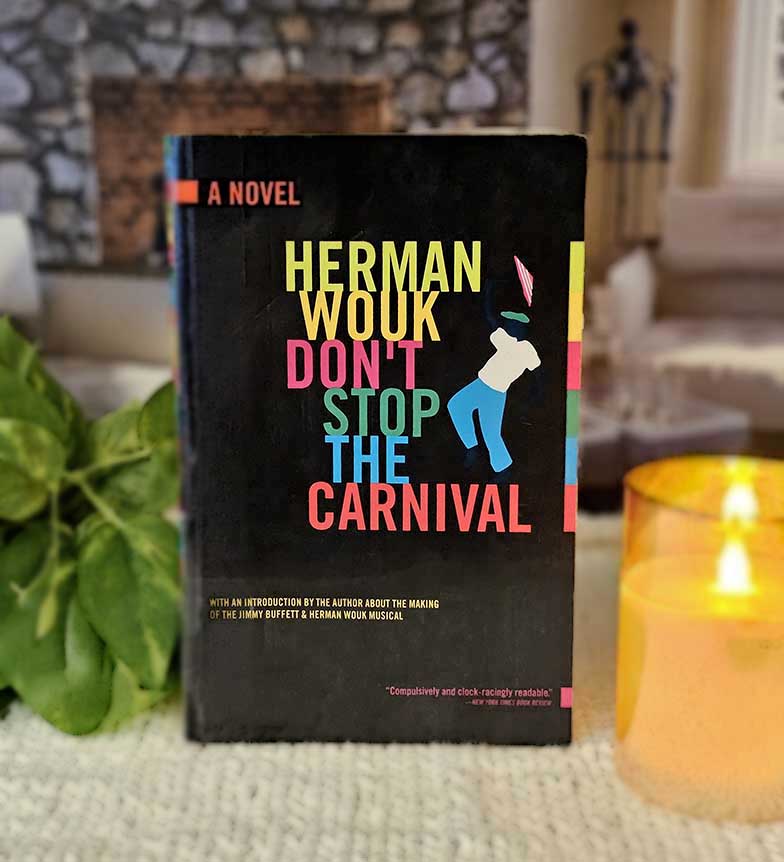
Don't Stop the Carnival
by Herman Wouk
Herman Wouk's hilarious novel about a New York press agent who buys a Caribbean hotel, only to discover that paradise comes with endless disasters, bureaucratic nightmares, and cultural clashes. A comic masterpiece about the gap between tropical dreams and island reality.
Buy this book:
Spoiler Warning
This review may contain spoilers. Read at your own discretion if you haven't finished the book yet.
My Thoughts
Herman Wouk, best known for epic historical novels like The Winds of War and The Caine Mutiny, took a sharp left turn with Don't Stop the Carnival—a comic novel about the disasters that befall a middle-aged New Yorker who buys a Caribbean hotel. The result is hilarious, surprisingly wise, and a perfect antidote to anyone romanticizing the idea of chucking city life to run a tropical resort.
The protagonist, Norman Paperman, is a burned-out Broadway press agent who falls in love with the Caribbean island of Amerigo (a thinly disguised U.S. Virgin Islands) and impulsively buys the Gull Reef Club hotel. What follows is a cascade of disasters: the water system doesn't work, the generator constantly fails, the staff operates by island time and logic, supplies never arrive when needed, bureaucracy is kafkaesque, and every possible thing that can go wrong does—usually simultaneously and during important events.
Wouk's genius is making disaster comedy that's rooted in realistic detail. Each catastrophe feels plausible, even inevitable, given the circumstances. The humor comes not from exaggeration but from the accumulation of real problems that anyone who's dealt with island infrastructure, Caribbean bureaucracy, or managing staff in a different culture will recognize. Readers who've lived in similar situations will laugh and wince in equal measure.
The cast of characters is wonderful. Paperman himself is perfectly drawn—well-meaning but naive, competent in his New York world but comically out of his depth on the island. His wife Henny provides sardonic commentary and growing exasperation. The various island characters—particularly the laid-back handyman Hippolyte, who operates on his own mysterious schedule and logic—are rendered with affection and specificity rather than cheap stereotypes.
The character of Atlas, the enormously fat, mysteriously connected island fixer who can solve any problem (for a price), is a comic creation worthy of Dickens. He's simultaneously absurd and utterly believable, representing the informal power structures that actually make things happen in places where official channels are hopeless.
Wouk's satire cuts multiple directions. He gently mocks the Americans who romanticize tropical life without understanding its realities. He satirizes the absurdities of colonial-era bureaucracy lingering in a nominally independent island. He lampoons tourist expectations and entitlement. But he also shows genuine affection for the Caribbean and its people, avoiding the trap of making locals merely comic relief for white protagonist's learning experience.
The set pieces are brilliantly constructed comedy. A visit from a senator that requires Paperman to hide illegal activities while maintaining appearances, a water crisis during a crucial party, navigating the island's baroque permit system—each disaster is perfectly timed and executed. Wouk understands comedy pacing, building from minor inconveniences to full chaos with expert control.
The book also has surprising depth beneath the comedy. Paperman's journey is genuinely about confronting midlife crisis, questioning success and happiness, and learning about himself. The contrast between his New York life (successful but empty) and island life (chaotic but somehow more real) raises questions about meaning, contentment, and what we're really seeking when we fantasize about escape.
Wouk's depiction of the cultural clash between mainland American and Caribbean mindsets is shrewd. Neither is valorized or denigrated wholesale. The Americans' efficiency and impatience have their place but can be ridiculous when applied to island realities. The Caribbean approach to time and work has wisdom but can also be maddening. Wouk shows how both perspectives have validity and limitations.
The prose is elegant and controlled—Wouk was a craftsman who never sacrificed readability for literary showing-off. The pacing is excellent, maintaining momentum through nearly 450 pages without lulls. The comedy never becomes repetitive because each disaster is distinct, and the escalation feels natural rather than forced.
However, the book does show its age in places. Written in 1965, some attitudes toward gender roles and racial dynamics reflect that era. Wouk is relatively progressive for his time—the local characters have dignity and agency—but modern readers will notice moments that feel dated. The women characters, while well-drawn, mostly exist in supporting roles defined by relationships to men.
The resolution is somewhat bittersweet and realistic rather than providing the fantasy ending readers might expect. Without spoiling specifics, Wouk doesn't pretend that paradise exists or that escaping your problems by changing location works. The ending has wisdom about accepting reality over fantasy while still allowing for growth and understanding.
Why You'll Love It
- Hilarious Disasters: Expertly constructed comedy
- Caribbean Setting: Vivid island atmosphere
- Great Characters: Memorable, well-drawn cast
- Smart Satire: Cuts multiple directions
- Realistic Detail: Rings true to anyone who's dealt with island life
- Surprising Depth: More than just comedy
- Elegant Prose: Wouk's craftsmanship throughout
- Still Relevant: Island realities haven't changed much
Perfect For
Anyone who's fantasized about running away to a tropical paradise, readers who've lived in the Caribbean and will recognize every disaster, fans of comic novels with substance, those who appreciate smart satire without meanness, and anyone who enjoys Herman Wouk's other work and wants to see his comic side. Essential reading before buying that island property.
Final Verdict
Don't Stop the Carnival is a comic masterpiece that deserves to be better known. Wouk takes the universal fantasy of escaping to paradise and subjects it to hilarious, realistic disasters while maintaining surprising depth about midlife crisis, cultural difference, and what actually constitutes happiness. The comedy is expertly crafted, rooted in plausible detail rather than cheap shots. The characters are vivid and memorable. The satire is sharp but affectionate. While showing its 1965 publication date in places, the book remains relevant because the gap between tropical fantasy and island reality hasn't changed. Funny, wise, and ultimately rather moving, this is comedy with substance. Highly recommended for anyone needing to laugh and anyone thinking about moving to the Caribbean (especially the latter).
You Might Also Like
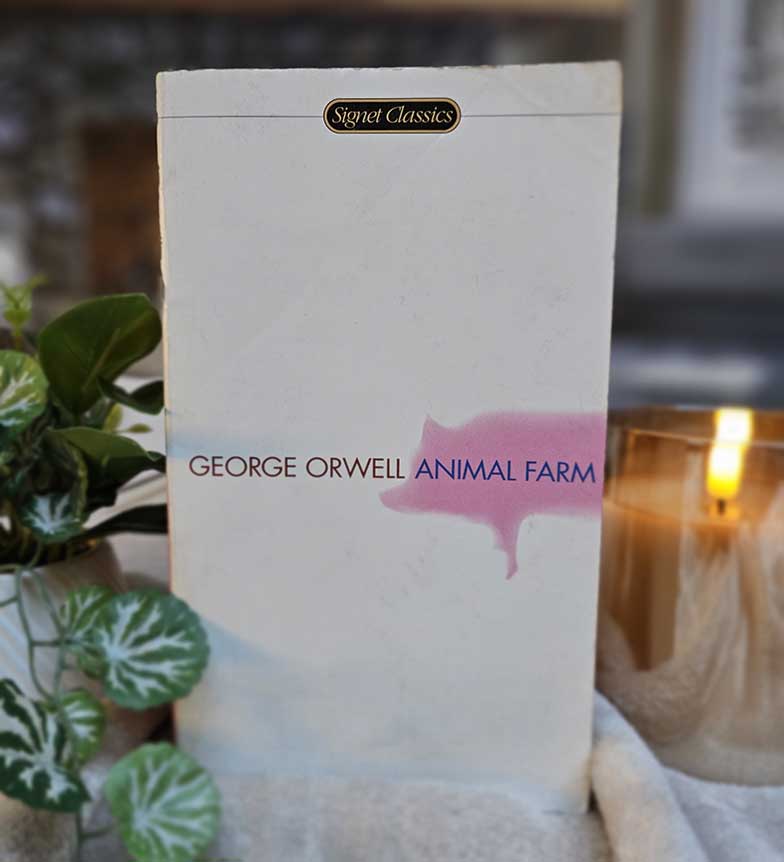
Animal Farm
by George Orwell
George Orwell's brilliant allegorical novella about a farm animal rebellion that descends into tyranny. A devastating critique of totalitarianism wrapped in a deceptively simple fable that remains urgently relevant.

Saint X
by Alexis Schaitkin
A haunting novel about the mysterious death of a young woman on a Caribbean island vacation and her sister's obsessive quest for truth years later.
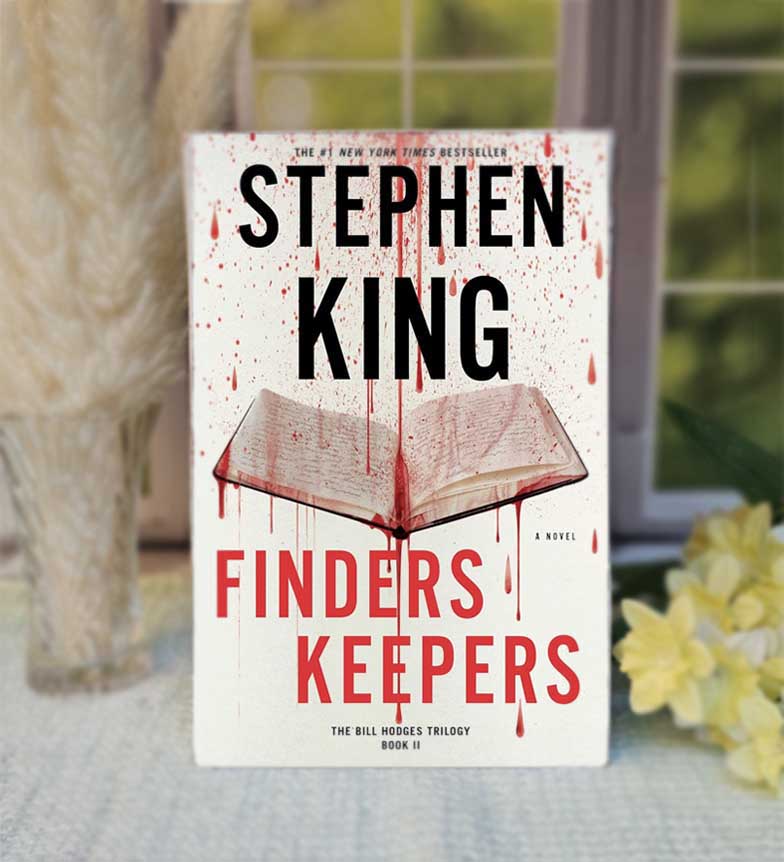
Finders Keepers
by Stephen King
A stolen collection of notebooks containing an iconic author's unpublished work becomes the obsession of multiple people across decades, with deadly consequences.