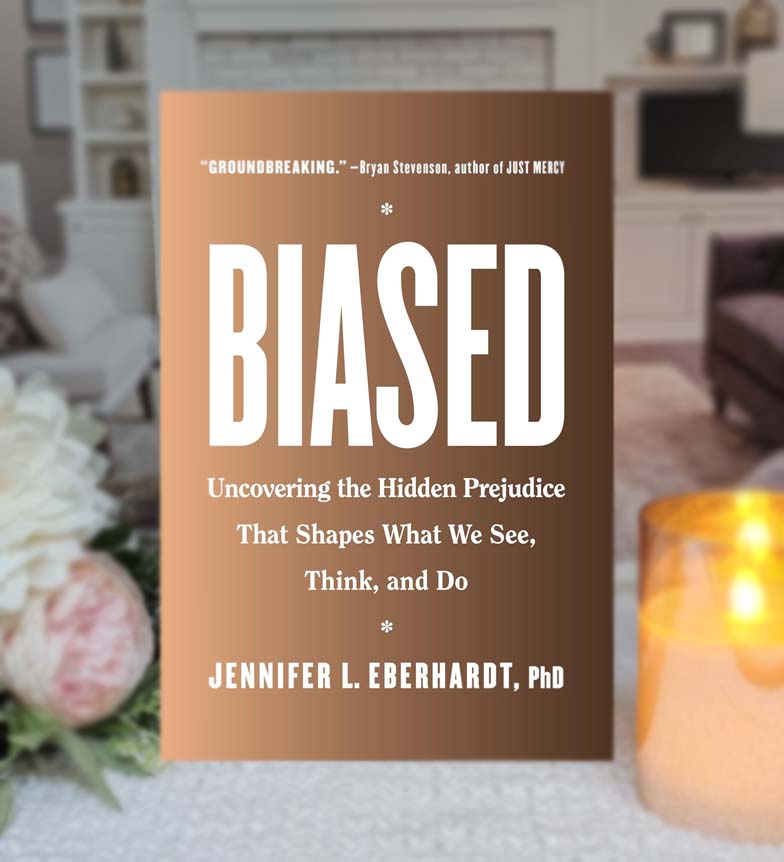
Biased
by Jennifer L. Eberhardt
A renowned Stanford psychologist examines how racial bias works in the brain and society, drawing on decades of research to reveal how unconscious bias shapes our perceptions and actions in profound ways.
Spoiler Warning
This review may contain spoilers. Read at your own discretion if you haven't finished the book yet.
My Thoughts
Biased is an important book tackling a critical subject—how unconscious racial bias operates in our minds and society. Jennifer Eberhardt, a leading researcher in the field, brings decades of scientific study to bear on questions about implicit bias, racial perception, and the ways our brains categorize and judge based on race. While the research is valuable and the topic crucial, I found the execution somewhat uneven.
Eberhardt's strength lies in her research and the studies she presents. She offers compelling evidence about how bias operates at neurological and psychological levels, showing how even well-intentioned people harbor unconscious biases that affect their perceptions and decisions. Her work with police departments, schools, and tech companies provides real-world context for academic findings.
The most powerful sections examine how bias affects criminal justice—from police stops to jury decisions to sentencing disparities. Eberhardt doesn't just present problems; she also discusses interventions and potential solutions, which I appreciated. Her practical approach to addressing bias feels more hopeful than some treatments of this subject.
However, the book suffers from pacing issues and organizational problems. Some chapters feel repetitive, covering similar ground without adding new insights. The writing, while clear, lacks the narrative drive that makes the best popular science books compulsively readable. I found myself interested in the research but occasionally bored by the presentation.
Additionally, while Eberhardt acknowledges the limitations of bias research and the complexity of these issues, I sometimes wanted deeper engagement with critiques and counterarguments. The solutions proposed, while well-intentioned, can feel somewhat surface-level given the depth of the problems identified.
The book is at its best when Eberhardt shares personal experiences and stories from her research participants. These moments bring the science to life and make abstract concepts concrete. I wish there had been more of this human element throughout.
Why You Might Like It
- Important Research: Valuable scientific insights into how racial bias works
- Practical Applications: Real-world examples from policing, education, and business
- Expert Author: Written by a leading researcher in the field
- Solutions-Oriented: Doesn't just identify problems but suggests interventions
- Accessible Science: Complex research made understandable for general readers
- Current Relevance: Addresses ongoing conversations about race and justice
Perfect For
Readers interested in understanding the psychology of bias, those working in fields where bias has serious consequences (law enforcement, education, hiring), and anyone seeking to understand how unconscious prejudice shapes society. Good for book clubs discussing race and social justice, though be prepared for some dry sections.
Final Verdict
Biased presents important research on a critical topic, and Eberhardt's expertise is evident throughout. While the execution is sometimes uneven—with pacing issues and occasional repetitiveness—the core material is valuable and relevant. It's a worthwhile read for understanding how bias operates, even if it doesn't quite achieve the impact it might have with tighter writing and structure. Important subject matter, competent execution, but not quite as compelling as it could be.
You Might Also Like
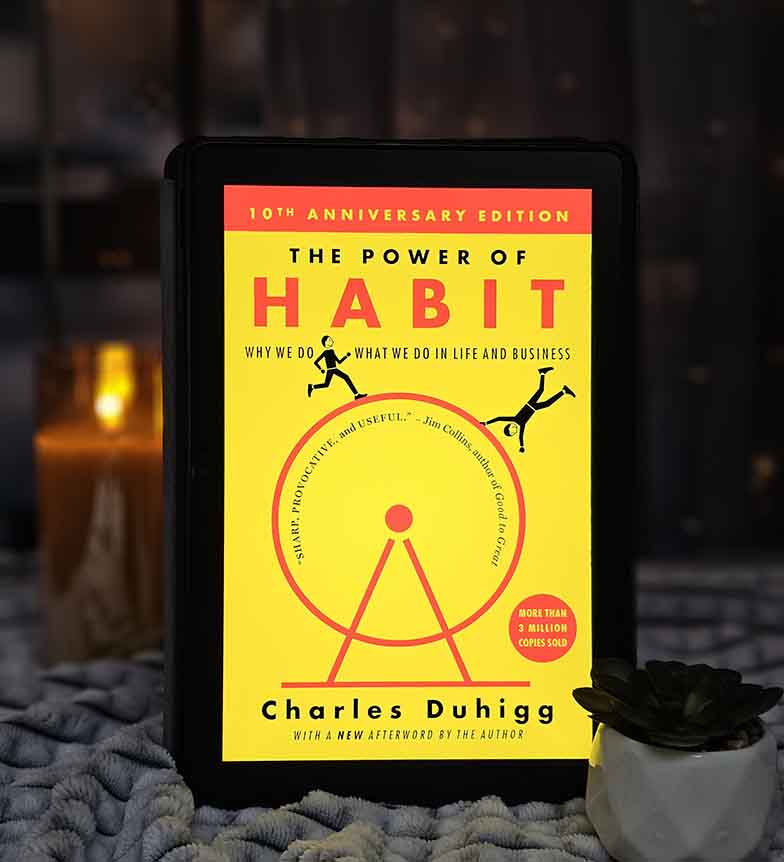
The Power of Habit
by Charles Duhigg
An exploration of the science behind habit formation and change, examining how habits work in individual lives, organizations, and societies. Duhigg combines neuroscience research with compelling case studies.
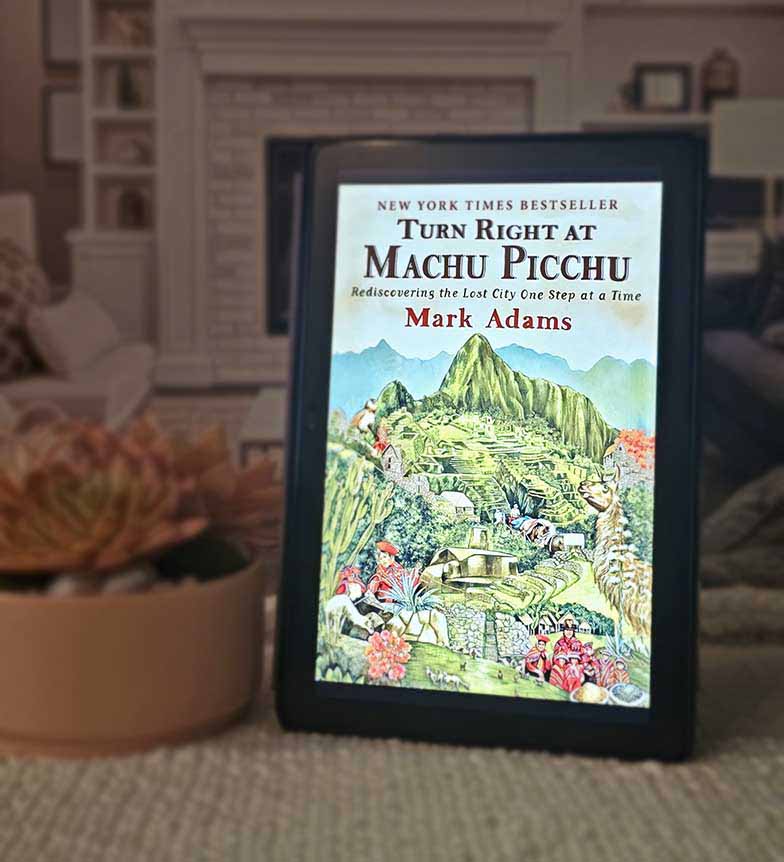
Turn Right at Machu Picchu
by Mark Adams
A travel writer retraces Hiram Bingham's historic journey through Peru, combining adventure narrative with the fascinating history of the 'discovery' of Machu Picchu.
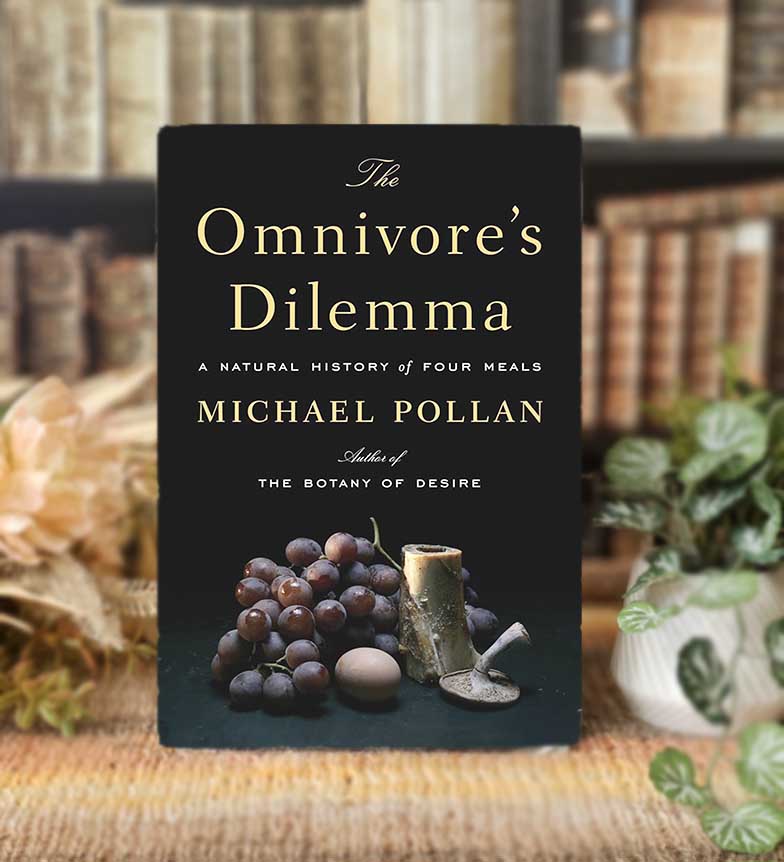
The Omnivore's Dilemma
by Michael Pollan
A thought-provoking exploration of the modern food chain, tracing four meals from their origins to the table while examining America's relationship with food.