
Handle with Care
by Jodi Picoult
To pay for a lifetime of medical care for her six-year-old daughter Willow, who has severe osteogenesis imperfecta, Charlotte O'Keefe sues her best friend - Willow's obstetrician - for wrongful birth, forcing her to testify in open court that she would have terminated the pregnancy had she known.
Spoiler Warning
This review may contain spoilers. Read at your own discretion if you haven't finished the book yet.
The Lawsuit That Says What You Refuse to Believe
To win a wrongful birth suit, you have to argue, in open court, that you would have aborted your child if you had known. Charlotte O'Keefe loves her daughter Willow. Willow is six and has osteogenesis imperfecta - brittle bone disease, the severe form, the kind that comes with hundreds of fractures over a lifetime, with weeks at a time in hospital, with the constant arithmetic of which surface, which lift, which hug is going to break a femur today. Charlotte and her husband Sean are drowning in medical bills and looking ahead at a daughter who will need expensive specialized care for as long as she lives. A lawyer tells them they may have a case against Charlotte's obstetrician - and best friend - for failing to flag the OI on the early ultrasounds. The settlement money would secure Willow's future. The price of admission is a public legal performance of sentiment Charlotte does not actually hold.
This is the engine of Handle with Care, Jodi Picoult's 2009 novel, and it is Picoult doing exactly what Picoult does well: take an impossible-choice premise, fan it out across alternating first-person perspectives, run it through a courtroom, and refuse to release the reader from any of the sides. The book is told from inside Charlotte, Sean, Willow, Amelia (Willow's older sister), and Marin (Charlotte's lawyer), with each voice carrying its own unanswerable arithmetic of love and damage. Some readers will love it; some will fight it; and the ending - which I'll get to - is one that has been argued about online for fifteen years for reasons that feel earned even when you wish they didn't.
The O'Keefes, the Fractures, and the Daughter Nobody Was Watching
Picoult's account of OI is the book's most quietly devastating element. Willow's fractures aren't accidents in the colloquial sense; they are events that happen if you sneeze on her wrong. The day-to-day reality of Charlotte's life as Willow's mother - the calculations, the bag of medical supplies, the hospitals, the looks at the grocery store, the constant vigilance against an offhand bump - is rendered with a specificity that suggests Picoult did the research. The marriage is exhausted. The money is gone. And around all of it is Amelia, the older daughter, who has been quietly invisible since Willow was born because every joule of family attention is spent on whichever bone is currently broken.
Amelia is one of the truest things in the book. As the lawsuit ramps up and her mother spends more time choreographing a legal performance than parenting, Amelia dyes her hair blue, develops bulimia, starts shoplifting, and begins cutting herself. None of these things is presented as melodrama; each is the predictable result of a bright kid figuring out, accurately, that she is not the priority and probably never will be. Picoult writes the older-sibling-of-a-disabled-child experience without sanding the edges. Amelia's chapters land harder, in some ways, than Charlotte's; they are the parts of the book most likely to make you put it down and go look out a window.
Suing Your Best Friend, On Camera
The obstetrician at the center of the suit is Piper, who has been Charlotte's best friend for years. The legal claim is that at an 18-week ultrasound, Piper noted an unusually transparent cranium while screening for Down syndrome and discounted it; at 27 weeks, multiple in-utero fractures revealed the OI. Charlotte's argument is that Piper should have flagged it earlier, when termination was still on the table. Piper, forced to defend her practice in court while her best friend testifies that her child's life is a damages calculation, is one of the most painful figures in the book. Picoult is fair to her. The obstetrician isn't a villain; she's a doctor and a friend caught inside a structure that has decided to weaponize regret.
Charlotte herself is harder to like, and Picoult knows it. There's a scene during the documentary footage being prepared for trial in which Charlotte asks Willow's physical therapist to push exercises she knows Willow isn't ready for, watches Willow cry in pain, runs in to comfort her - and then asks the camera operator if they got that on film. Marin, her lawyer, watches the whole thing and feels something close to hatred. So does the reader. Picoult is not asking us to absolve Charlotte; she's asking us to sit with what the strategy required of her, and with the fact that the strategy might still, on its own terms, be the right call. The hardest thing the book does is keep both of those positions on the page at the same time.
Marin, Adopted, and the Question Underneath
The Marin subplot is where the novel widens past the O'Keefes. Marin is a smart, careful lawyer, herself adopted, working a wrongful-birth case while privately searching for her birth mother. The juxtaposition is structural - what does it mean to argue in court that a particular child should not have been born, when you yourself were that close to not being born? Picoult lets Marin sit with the question without resolving it. Then she puts a knife in. Marin's birth mother turns up, by an absurd narrative coincidence, on the jury for Charlotte's case, and when Marin finally engages her she learns that she was the product of a rape and that her mother does not want a relationship. The plot mechanics here are pure Picoult - the contrived coincidence, the punchline reveal - but the emotional content lands. The book's deepest question isn't whether Willow should have been born. It's what we owe the people whose existence we did not choose, and who did not choose us.
The trial itself, which is the spine the rest of the book hangs on, plays out with the kind of courtroom-as-crucible momentum Picoult is known for. The jury comes back. The verdict is for the O'Keefes. The award is $8 million. Sean and Charlotte begin to find their way back to each other; Amelia, no longer ignored, begins to come back into herself. Piper does not forgive Charlotte. Some friendships, the book quietly argues, are casualties of strategies you took because you saw no other way.
The Pond, the Check, and the Ending Some Readers Can't Forgive
I'm going to spoil the ending, because I don't think you can talk about whether this book works without it. Skip the rest of this paragraph if you want it fresh. In the closing pages, after the verdict has come in and the family is starting to rebuild, Willow wanders out alone to the frozen pond behind their house, tries to creep across it, falls through, and drowns. Charlotte buries the eight-million-dollar check with her. The award - the entire purpose of everything she did, the friendship she sacrificed, the things she said in court she did not believe - was for a future Willow no longer has. Plenty of reviewers have argued this ending is unearned: that it has nothing to do with OI (Willow doesn't die from her disease, she dies because the ice is thin), that it arrives after the story has already resolved, that it is tragedy for tragedy's sake. I am sympathetic to the critique. I also think Picoult means the gut punch. The book has been arguing, all along, that the things we say and do to secure a future are not the same as the future, and that there is no insurance policy against the worst happening anyway. The ending insists on that argument with an absoluteness that doesn't quite come from inside the story; it comes from outside it, like a rebuttal.
What you make of the book in the end depends on whether you accept that closing move or feel cheated by it. The arguments along the way - about disability, about love that includes wishing things were otherwise, about what a family does when survival requires saying the unspeakable, about a sister who gets eaten by her sister's needs - are some of the most unflinching Picoult has written. The structural choice at the end is the one I'd take a star off for, and a four out of five feels right; this is one of her strongest dilemmas and one of her most divisive endings, and both of those things are true at once.
Rating: 4.0/5 ⭐
Perfect for: Picoult readers, book clubs that want a real argument afterward, readers willing to sit with a moral dilemma that doesn't resolve cleanly, anyone interested in fiction that takes disability and caregiving seriously.
Skip if: You need fiction that delivers comfort, the depiction of self-harm and bulimia in a teenage character is too much, or you find narrative tragedy used as a closing argument unforgivable - this book will, by design, do that to you.
You Might Also Like
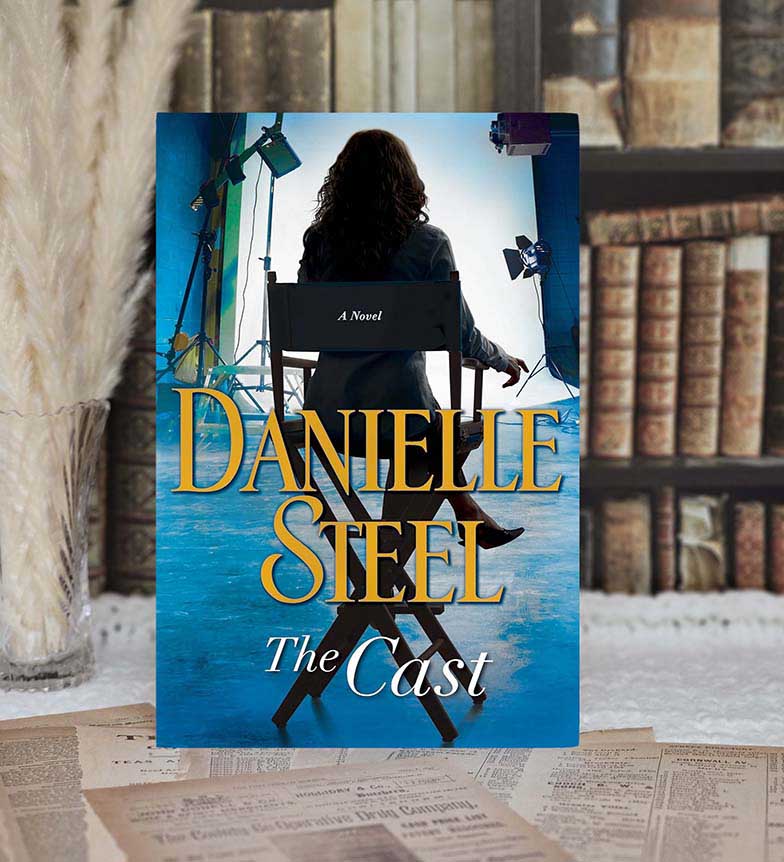
The Cast
by Danielle Steel
A 54-year-old advice columnist creates a TV show inspired by her grandmother's WWII story, and the cast becomes the family she didn't know she needed.
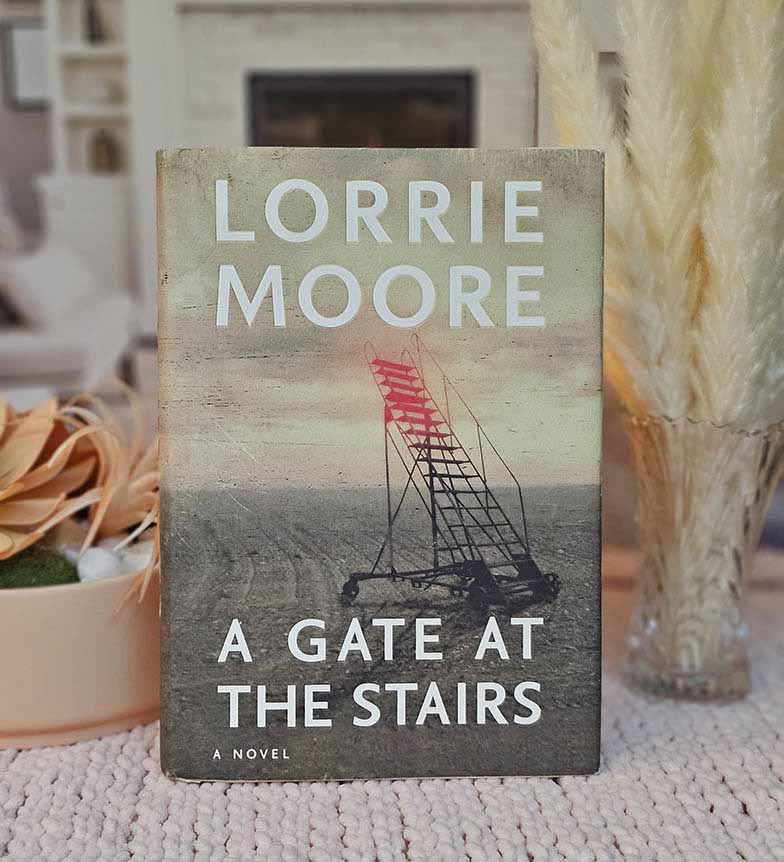
A Gate at the Stairs
by Lorrie Moore
A coming-of-age story set in the Midwest after 9/11. Tassie Keltjin takes a job as a nanny and finds herself drawn into a complex family dynamic that challenges her understanding of race, identity, and belonging.
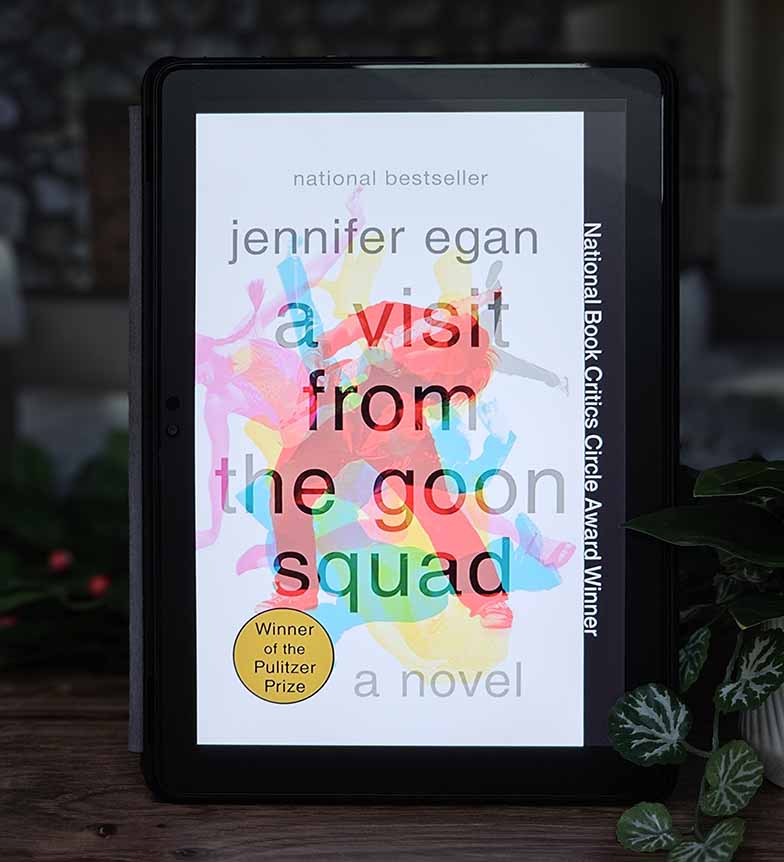
A Visit from the Goon Squad
by Jennifer Egan
A Pulitzer Prize-winning novel that weaves together interconnected stories about a group of characters connected to the music industry, exploring themes of time, memory, and aging through an innovative narrative structure.