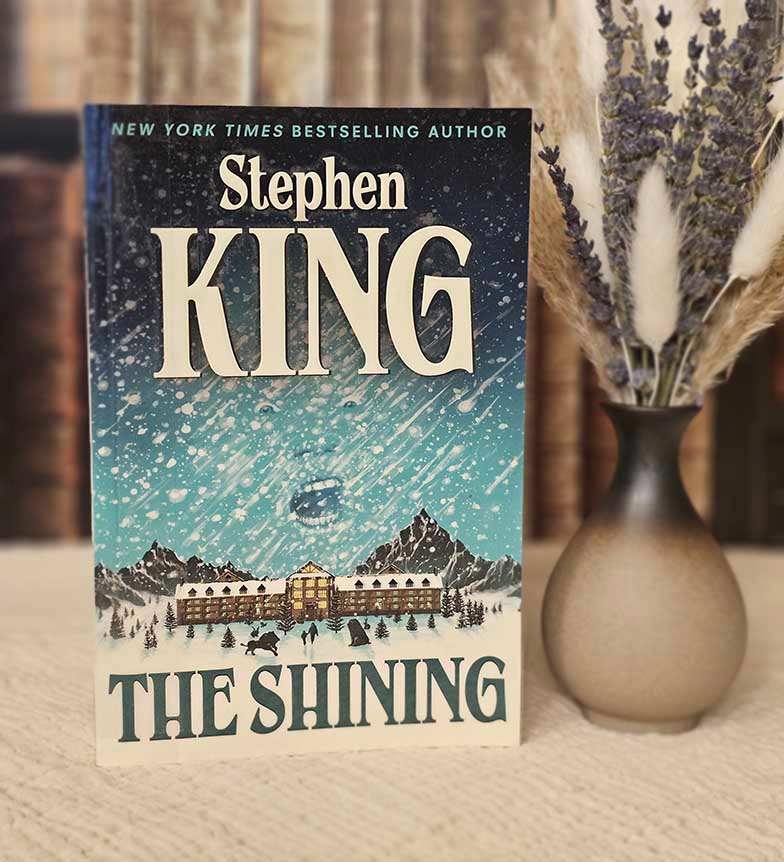
The Shining
by Stephen King
A family moves into an isolated hotel for the winter, where a sinister presence exploits the father's weaknesses and the son's supernatural abilities.
Spoiler Warning
This review may contain spoilers. Read at your own discretion if you haven't finished the book yet.
The Hotel That Hungers
Jack Torrance arrives at the Overlook Hotel carrying more baggage than fits in his car. He's a recovering alcoholic who hasn't had a drink in fourteen months. He's a writer who can't seem to write. He's a former teacher who lost his job after assaulting a student. And he's a father who, in a drunken rage, once grabbed his three-year-old son Danny's arm so hard he broke it. The winter caretaker position at the Overlook represents a last chance - isolation where he can reconnect with his family, finish his play, prove he's not his abusive father. The hotel has other plans.
The Shining is Stephen King's most personal horror novel, drawn from his own struggles with alcoholism and his fears about what kind of father he might become. The supernatural elements are genuinely terrifying - the corpse in Room 217, the hedge animals that move when you're not watching, the party in the Gold Room where ghosts drink forever - but they exist to externalize something more frightening: the destruction of a loving family from within.
The Overlook's History
The hotel is almost a century old, and its walls have absorbed decades of darkness. Illicit affairs, mob executions, a suicide in the presidential suite - the Overlook has hosted every variety of human corruption. King reveals this history gradually through a scrapbook Jack discovers, each revelation drawing him deeper into the hotel's influence. The building isn't just haunted; it's hungry. It feeds on psychic energy, and five-year-old Danny Torrance has more psychic power than anyone the hotel has ever encountered.
Danny's "shine" - his ability to read thoughts, see visions, know things he shouldn't - makes him a prize the Overlook desperately wants. Dick Hallorann, the hotel's cook who shares Danny's gift, warns him explicitly: stay out of Room 217, and if things get bad, call for help. Hallorann feels the hotel's malevolence even as he leaves for Florida, knowing he's abandoning a child to something terrible but hoping the family will survive the winter.
Jack's Descent
In Kubrick's famous film, Jack Nicholson seems unhinged from his first scene. King hated this interpretation because it misses the tragedy entirely. The novel's Jack Torrance is genuinely trying. He loves Wendy and Danny. His sobriety is real, his desire to be a good father authentic. The horror is watching a good man lose a battle he was winning.
The Overlook exploits Jack's weaknesses systematically. His isolation from the outside world worsens his temper. The hotel manifests a bartender named Lloyd who offers exactly what Jack has been resisting. It drowns him in resentment, amplifying every grievance until his family seems like the obstacle rather than the reason. When Jack picks up the roque mallet - not an axe, as in the film, but a croquet variant's wooden mallet - he's become something that wears Jack's face but serves the hotel's hunger.
Wendy and Danny Fight Back
Wendy Torrance in the novel is far stronger than her film counterpart. She's not a passive victim but a mother who will do anything to protect her son, even as the man she loves becomes something monstrous. Her fight against Jack in the hotel's corridors is brutal and desperate - she's injured badly but refuses to stop. The dynamic between them captures something essential about domestic violence: the confusion of loving someone who's become dangerous, the impossible hope that the person you knew might still be reachable.
Danny's power ultimately saves them, but not in the way you might expect. His psychic call reaches Hallorann in Florida, bringing him back across the country to rescue them. Meanwhile, Danny confronts the possessed Jack directly, appealing to the father still buried somewhere beneath the hotel's control. In a moment of lucidity - something Kubrick's film never allows - Jack breaks free long enough to tell Danny to run, to remember that his father loved him, that this thing isn't really him.
The Boiler and the Redemption
The ending diverges completely from the film's iconic frozen maze. Throughout the winter, Jack has been warned to watch the old boiler, which builds pressure dangerously if not monitored. In his madness, he forgets. The Overlook, for all its supernatural power, is still a physical building with physical vulnerabilities. The boiler explodes, destroying the hotel with Jack inside while Danny, Wendy, and the injured Hallorann escape.
Years later, Danny graduates high school. Jack's spirit appears to tell his son how proud he is. This redemption was essential to King - the novel is a tragedy about a loving family destroyed by addiction and supernatural evil, not simply a story about a monster. Jack Torrance's ghost gets to be a father one more time, freed from the hotel's corruption, able to say what he couldn't say in life. King wrote this from his own fears and his own hopes, and the emotional resonance shows.
Rating: 4.0/5 ⭐
Perfect for: Horror fans who appreciate psychological depth, readers interested in addiction narratives, anyone who wants the deeper story behind the famous film.
Skip if: You prefer the Kubrick film's colder approach, or domestic violence themes are difficult for you.
You Might Also Like
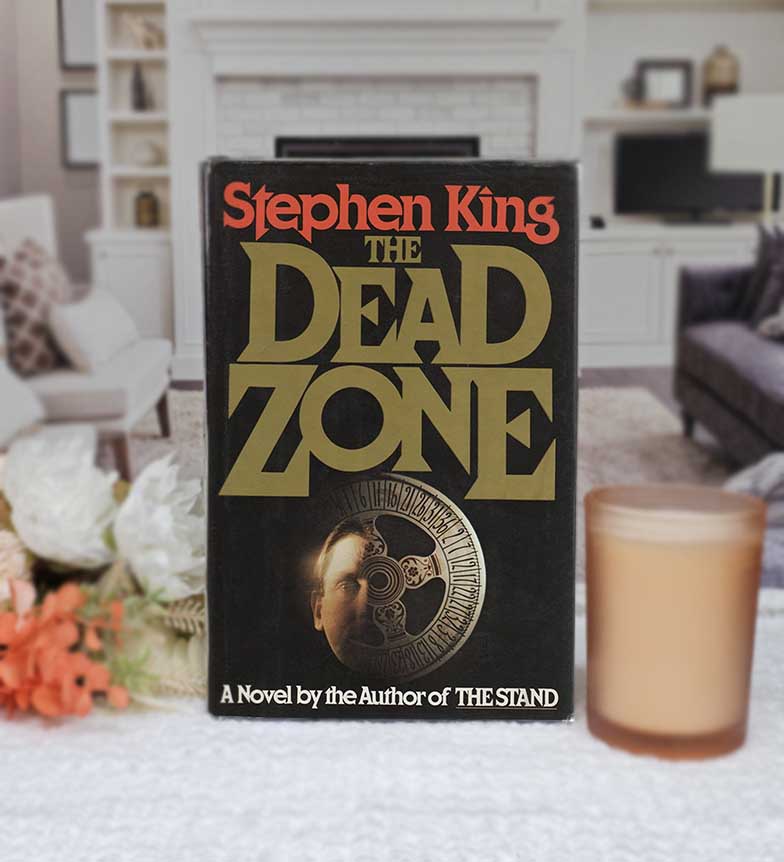
The Dead Zone
by Stephen King
After waking from a five-year coma with psychic abilities, Johnny Smith must decide whether to use his gift to prevent a catastrophic future he has foreseen.
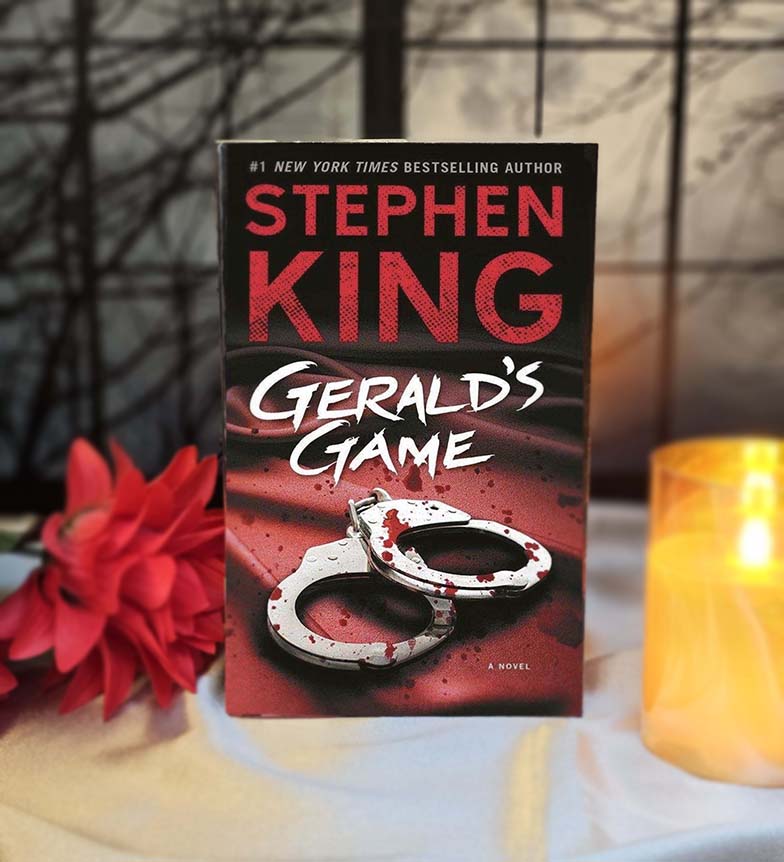
Gerald's Game
by Stephen King
A woman finds herself handcuffed to a bed in a remote cabin after her husband dies of a heart attack, forcing her to confront both physical danger and long-buried traumas.
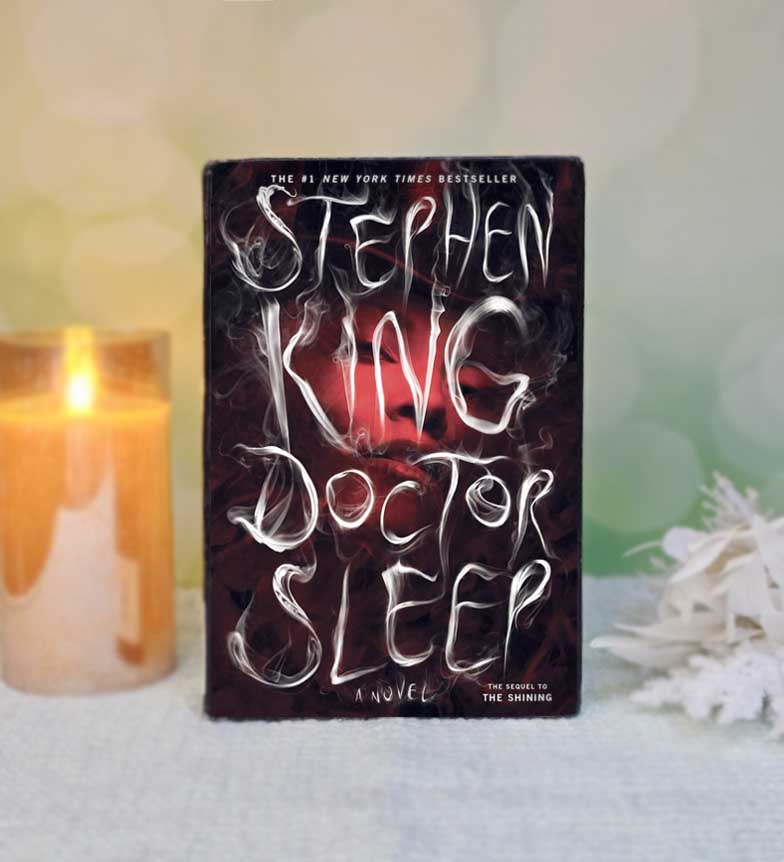
Doctor Sleep
by Stephen King
Decades after the events at the Overlook Hotel, Danny Torrance must protect a young girl with powerful shine abilities from a tribe of quasi-immortal beings who feed on the essence of children.