
History Is All You Left Me
by Adam Silvera
When Griffin's first love dies, he must confront his grief alongside Theo's last boyfriend - the person who replaced him.
Spoiler Warning
This review may contain spoilers. Read at your own discretion if you haven't finished the book yet.
The Person Who Can't Stop Talking to the Dead
Theo McIntyre is dead. Drowned in the Pacific Ocean while surfing with Jackson, his new boyfriend. Griffin Jennings loved Theo with the totality that first love demands. Then Theo moved to California for college, found Jackson, and now he's dead. Griffin addresses Theo directly throughout the novel - "you" - present tense for memories, past tense for what came after. He can't stop talking to someone who can't hear him, can't respond, won't ever respond again. We overhear a private conversation with the dead, and it's devastating.
Adam Silvera refuses to romanticize the death or the grief. Theo died randomly, pointlessly, the way people actually die. There's no heroism, no sacrifice, no meaning to extract. Just absence where presence used to be. The "history" of the title refers to the shared past Griffin and Theo accumulated - inside jokes, remembered moments, the texture of first love. This history is all Griffin has left. He cannot make new memories with Theo; he can only hold onto what existed. But history proves unreliable. Griffin's memories are colored by grief, by anger, by the knowledge that Theo chose someone else before dying.
The OCD That Holds Him Together
Griffin has OCD - compulsions around even numbers, the number seven, always walking on someone's left side, listening to songs on repeat for weeks at a time. Silvera portrays this with clinical accuracy because all of Griffin's compulsions come directly from Silvera's own experience. "I have OCD and, literally, walking on the left, needing things to be in even numbers with few exceptions. One and seven, any number that ends in seven, that's all me," Silvera has said in interviews. He's been open about his struggles with depression, suicidal ideation, and borderline personality disorder. This representation matters - Griffin's symptoms are real obstacles that require real work to manage, not quirks played for humor.
The grief exacerbates everything. When reality becomes unbearable, the compulsions provide an illusion of control. If Griffin can get the numbers right, maybe he can make sense of the senseless. The mental health element isn't separate from the grief story but integral to it - his compulsions shape how he processes loss, how he relates to others, how he tries to maintain connection with someone who's gone.
Jackson and the Competition of Grief
Jackson was Theo's boyfriend when Theo died. He's also grieving. Griffin hates him for having what Griffin lost, for being the person Theo chose over him. But he also recognizes that Jackson's grief is as valid as his own. They are not destined to become friends who bond over shared loss - they're awkward, resentful, occasionally compassionate, exactly what real grief between real rivals looks like. Jackson knew the California Theo, the one who had moved on. Together, they hold more of Theo than either holds alone, but neither can give the other what he wants.
This is what makes Silvera's work (including They Both Die at the End, which became a #1 New York Times bestseller) so effective: he respects his readers enough to tell the truth. Griffin behaves badly sometimes. His grief manifests as cruelty, jealousy, self-destruction. The ending offers survival, not triumph - the daily work of continuing to exist when existence feels pointless. For readers ready for emotional challenge, this novel provides recognition of experiences rarely depicted with such honesty. The history Theo left is all Griffin has, and Silvera shows that holding onto history, however painful, is one way to keep living.
Rating: 4.0/5 ⭐
Perfect for: Readers who appreciate emotionally honest YA, those seeking LGBTQ+ grief narratives, anyone interested in mental health representation.
Skip if: You're currently experiencing acute grief, need consistently likeable protagonists, or want light reading.
You Might Also Like

What If It's Us
by Becky Albertalli
When Arthur and Ben meet in a New York post office, they wonder if the universe is sending them a sign - but first they have to find each other again.
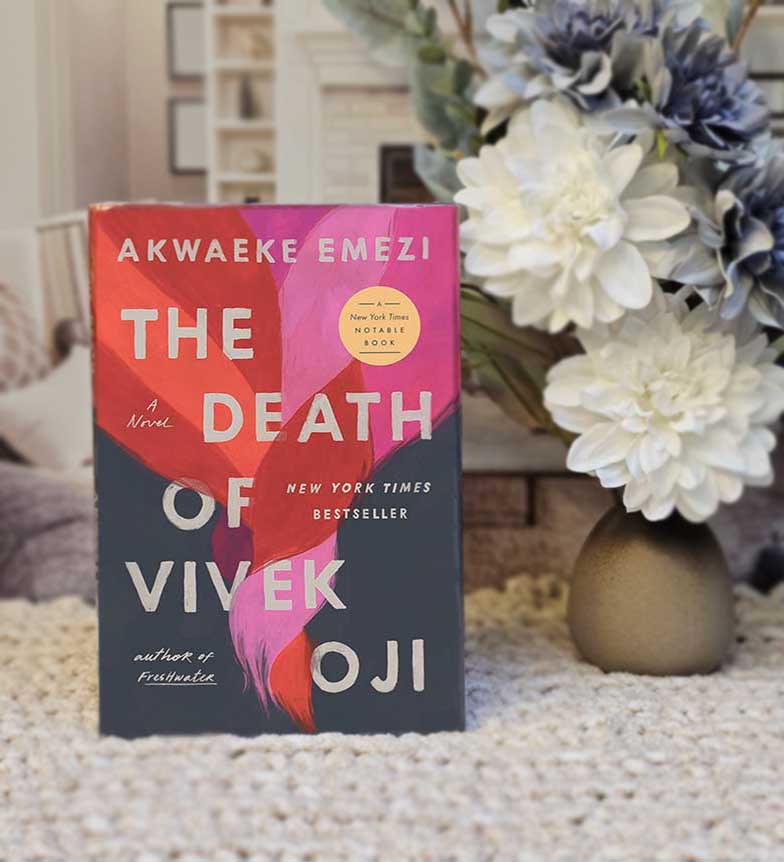
The Death of Vivek Oji
by Akwaeke Emezi
In Nigeria, a mother must uncover the truth behind her son's death—a truth that reveals who Vivek truly was and the people who loved him.
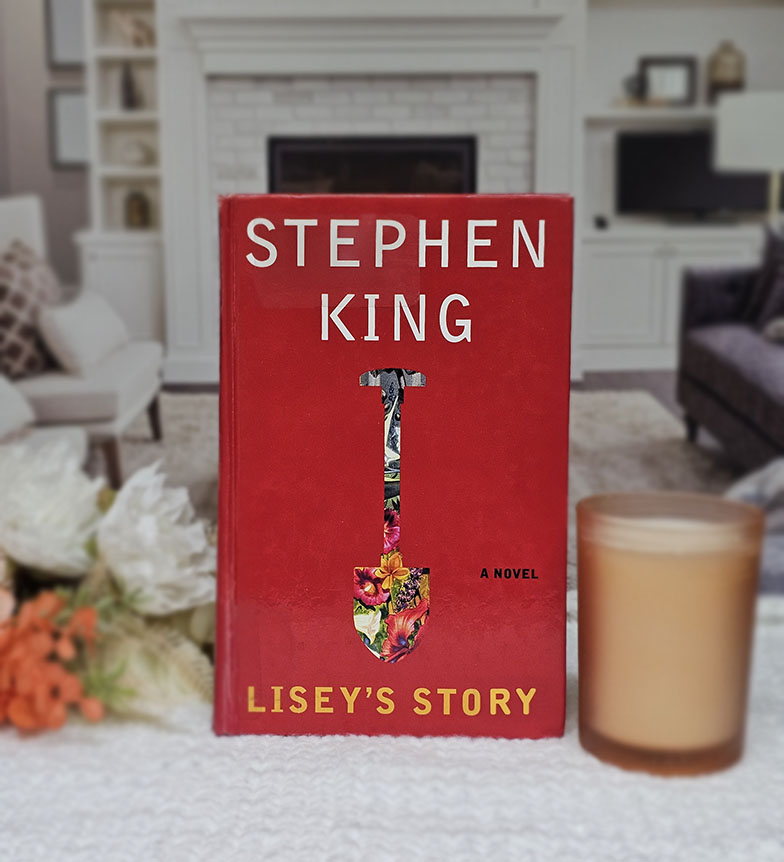
Lisey's Story
by Stephen King
Two years after her husband's death, Lisey Landon begins to confront the dark secrets of their marriage and the fantastical world he kept hidden.