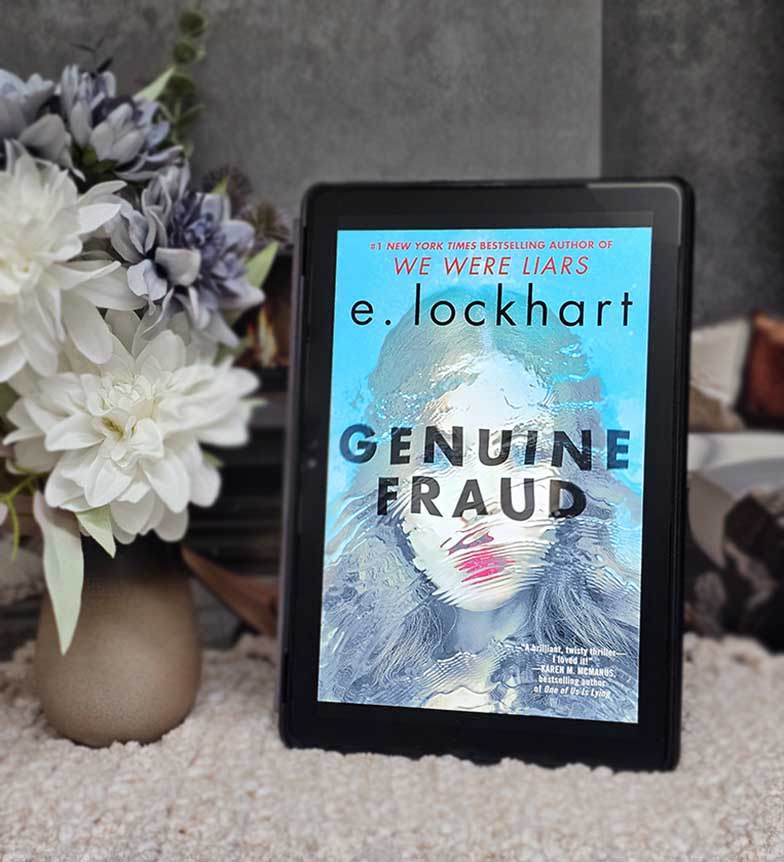
Genuine Fraud
by E. Lockhart
Told in reverse, this psychological thriller follows Jule and Imogen - two young women whose intense friendship unravels in dangerous ways.
Spoiler Warning
This review may contain spoilers. Read at your own discretion if you haven't finished the book yet.
A Female Tom Ripley
E. Lockhart explicitly channels Patricia Highsmith's The Talented Mr. Ripley here - another tale of obsessive identity theft, charming sociopathy, and class-based resentment. The novel starts with Chapter 18 and the instruction "Begin here," then works backward through the year, revealing secrets along the way. We meet Jule West Williams first: fit, determined, running from something. Only gradually do we learn what she's running from, who she really is, what she's done. The reverse chronology focuses on the "Why?" rather than the typical mystery "Who?" By the time we understand how events unfolded, we've already seen their consequences.
Jule is penniless. Her mother died from illness. Her father committed suicide. She was raised by a neglectful aunt and invented a fantasy backstory of murdered parents and secret agent training. Imogen Sokoloff is everything Jule isn't - a runaway heiress who purchases sprawling houses on Martha's Vineyard, lives in a posh London flat, jets to Culebra in Puerto Rico. Their friendship is real but also transactional in ways both recognize and refuse to acknowledge. Imogen love-bombs people initially, then cold-shoulders them when she gets tired of them. Jule believes their relationship is different. It isn't. And when Jule realizes this, something breaks.
The Coldness of Precision
Lockhart (who has a doctorate in English literature from Columbia) writes with the clean efficiency that matches Jule's athletic precision. The prose is lean, every detail serving purpose. Violence appears in the novel but is rendered coolly, almost clinically - Lockhart is more interested in the psychology that precedes and follows violence than in the acts themselves. The emotional distance some readers find off-putting is deliberate choice. We're reading about a character who's emotionally stunted, and the prose reflects her perspective. You admire Jule's competence without caring about her fate, which is the point.
The central crime isn't murder but identity theft - the complete assumption of another person's life. Lockhart explores how wealth enables identity (money buys the documents and mobility that make reinvention possible) and how poverty makes identity precarious (without resources, you're always vulnerable to being discovered). The American mythology of self-invention gets dark examination here. We're supposed to be able to become anyone; Jule takes this literally. The book is "about the outcasts, the kids who aren't rich and perfect. It's about how far someone might go to have their own happy, wealthy life."
Clever More Than Felt
We Were Liars, Lockhart's previous YA thriller (now a Prime Video series), was emotional despite its structural tricks. Genuine Fraud is colder, more like literary exercise than felt story. Managing reverse chronology requires exceptional structural control, and Lockhart never loses the reader despite the complexity. But the same distance that enables analysis prevents connection. For readers who appreciate literary crime fiction in the Highsmith tradition, who enjoy intellectual challenge and unreliable narrators, and who can accept a protagonist who's compelling without being sympathetic, the novel delivers significant rewards. For others, the cold precision may feel more like admirable craft demonstration than affecting fiction.
Rating: 3.0/5 ⭐
Perfect for: Fans of Patricia Highsmith, readers who enjoy structural experimentation and unreliable narrators, those interested in class and identity themes.
Skip if: You need likeable protagonists, prefer emotional warmth, or find reverse chronology confusing rather than illuminating.
You Might Also Like
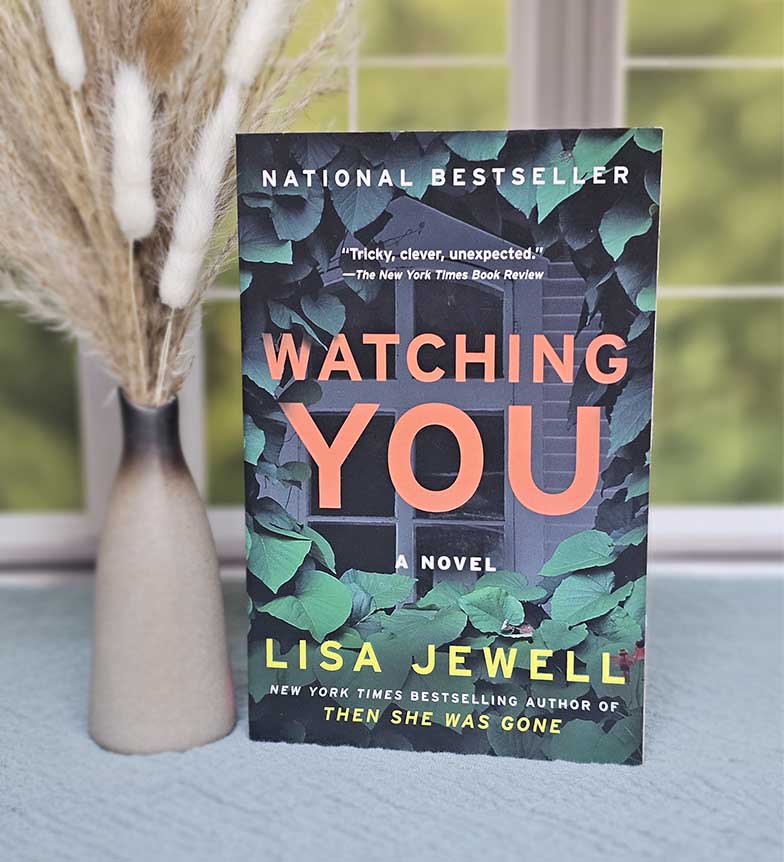
Watching You
by Lisa Jewell
In a picturesque neighborhood, everyone is watching everyone else—but when a murder occurs, the secrets they've been hiding come to light.
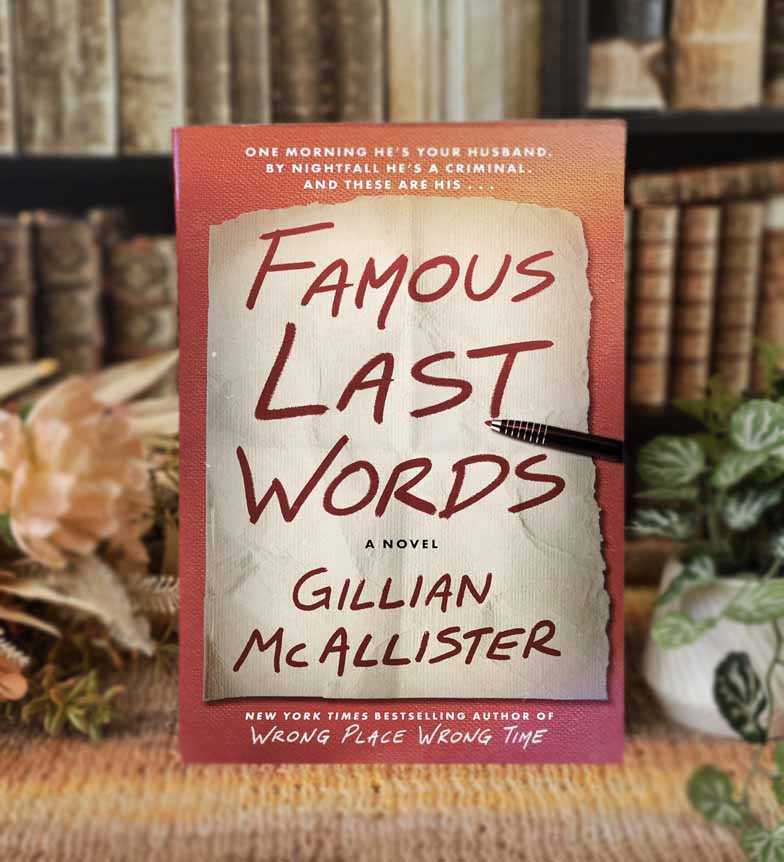
Famous Last Words
by Gillian McAllister
The last words someone speaks can change everything—especially when they reveal a devastating secret.
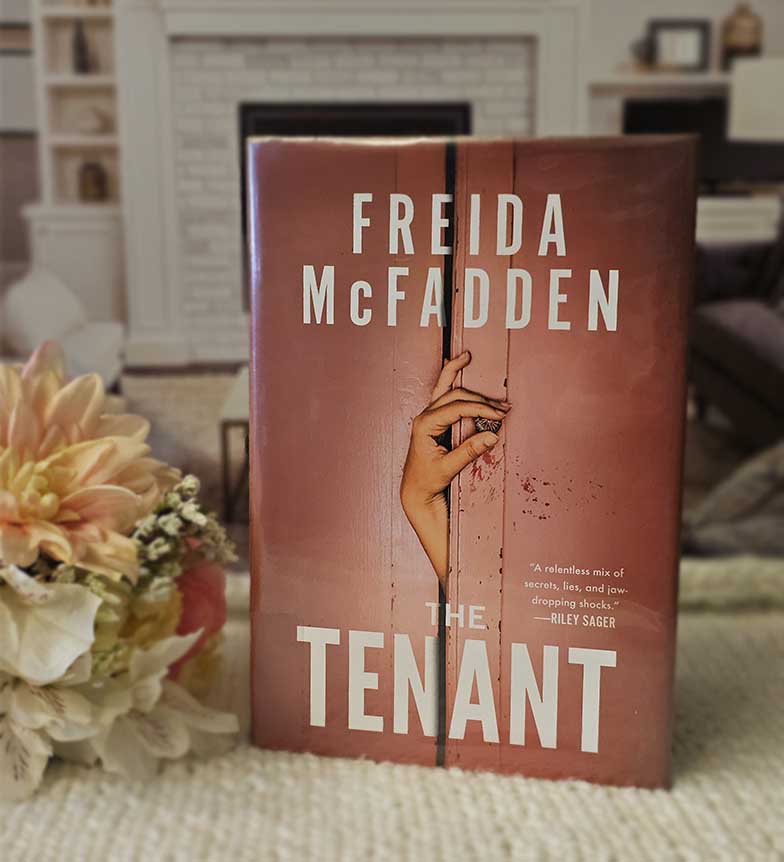
The Tenant
by Frieda McFadden
When Blake Porter loses his job and takes in a tenant to save his Manhattan brownstone, his perfect life begins to unravel in ways he never saw coming.