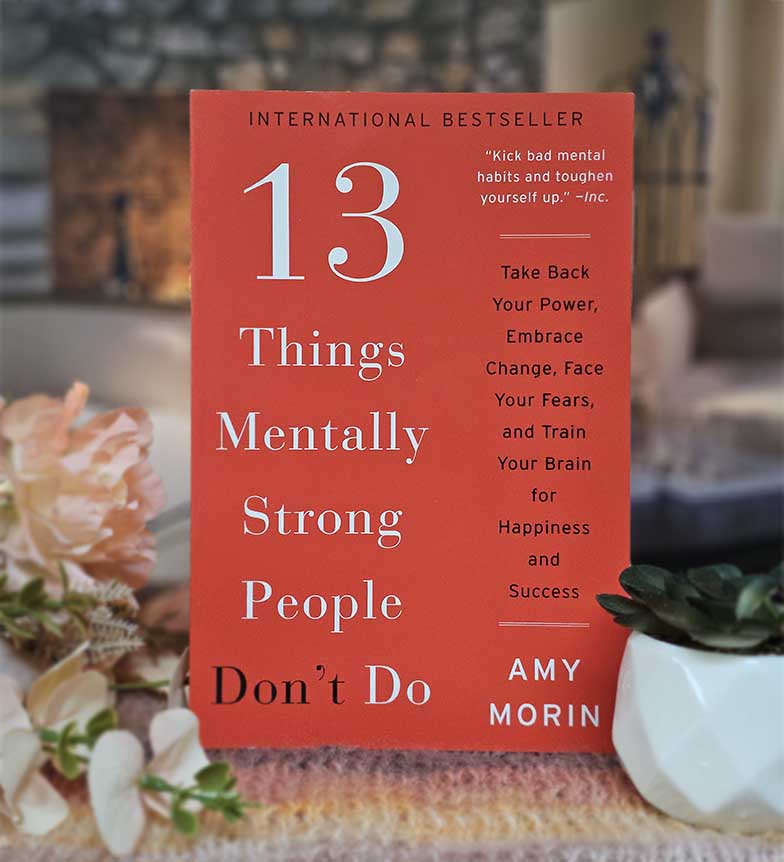
13 Things Mentally Strong People Don't Do
by Amy Morin
A psychotherapist's guide to developing mental strength by identifying and avoiding the thirteen destructive habits that hold people back.
Spoiler Warning
This review may contain spoilers. Read at your own discretion if you haven't finished the book yet.
Building Mental Muscle
13 Things Mentally Strong People Don't Do takes a different approach to self-help by focusing on what to avoid rather than what to do.
The Approach
Amy Morin, a psychotherapist, identifies thirteen habits that undermine mental strength, from wasting time feeling sorry for yourself to expecting immediate results. Each chapter explores one habit and offers strategies for overcoming it.
The 13 Things
Including: feeling sorry for yourself, giving away your power, shying away from change, focusing on things you can't control, worrying about pleasing everyone, fearing calculated risks, and dwelling on the past.
What Works
Practical Framework
The negative framing makes bad habits easier to identify.
Real Examples
Case studies from Morin's practice illustrate each point.
Actionable Advice
Concrete strategies for each habit.
Quick Read
Accessible and easy to finish.
Considerations
Surface Level
Doesn't go deeply into any single topic.
Repetitive Structure
The chapter format becomes predictable.
Nothing Revolutionary
Most advice is familiar from other self-help books.
Final Thoughts
13 Things Mentally Strong People Don't Do is a solid introduction to mental resilience, though it doesn't offer anything groundbreaking for experienced self-help readers.
Rating: 3.0/5
Best for: Self-help newcomers, those looking for a quick mental health check-in, and readers who prefer practical frameworks
You Might Also Like
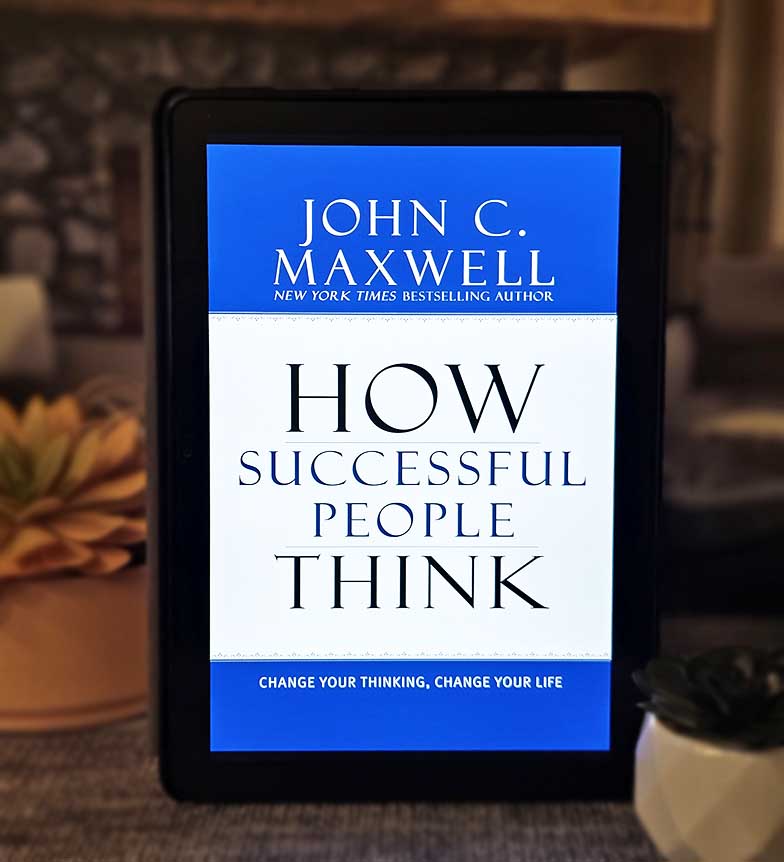
How Successful People Think
by John C. Maxwell
John C. Maxwell explores eleven types of thinking that successful people use, offering strategies for developing better mental habits and decision-making skills.
Enough
by Patrick Rhone
A short meditation on sufficiency and the power of recognizing when we have enough in our lives, work, and possessions.
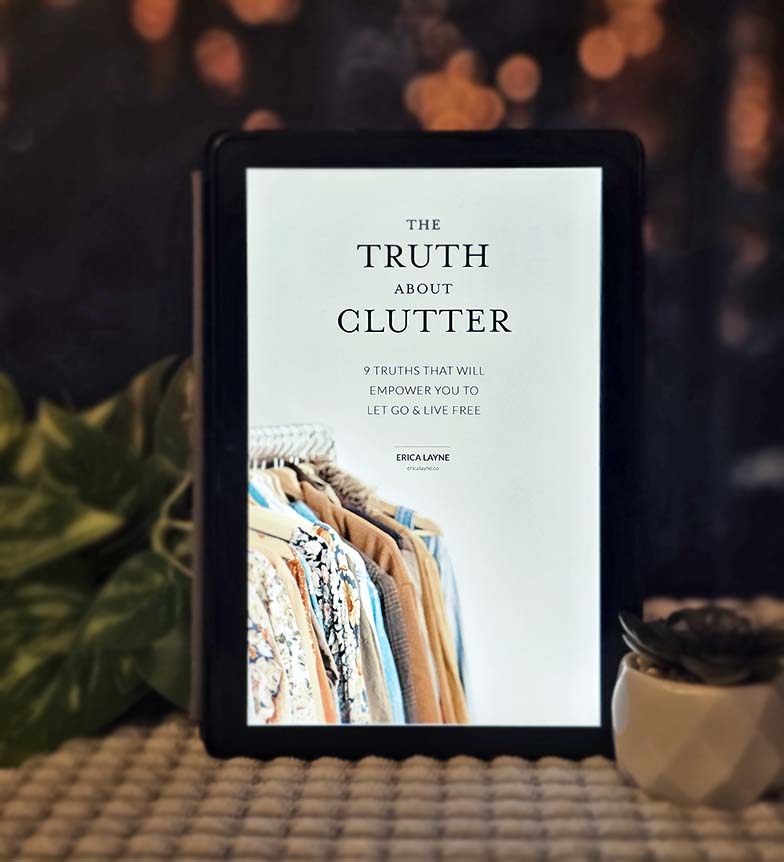
The Truth About Clutter
by Erica Layne
A practical guide to understanding the emotional roots of clutter and developing sustainable strategies for creating a simpler, more intentional home.