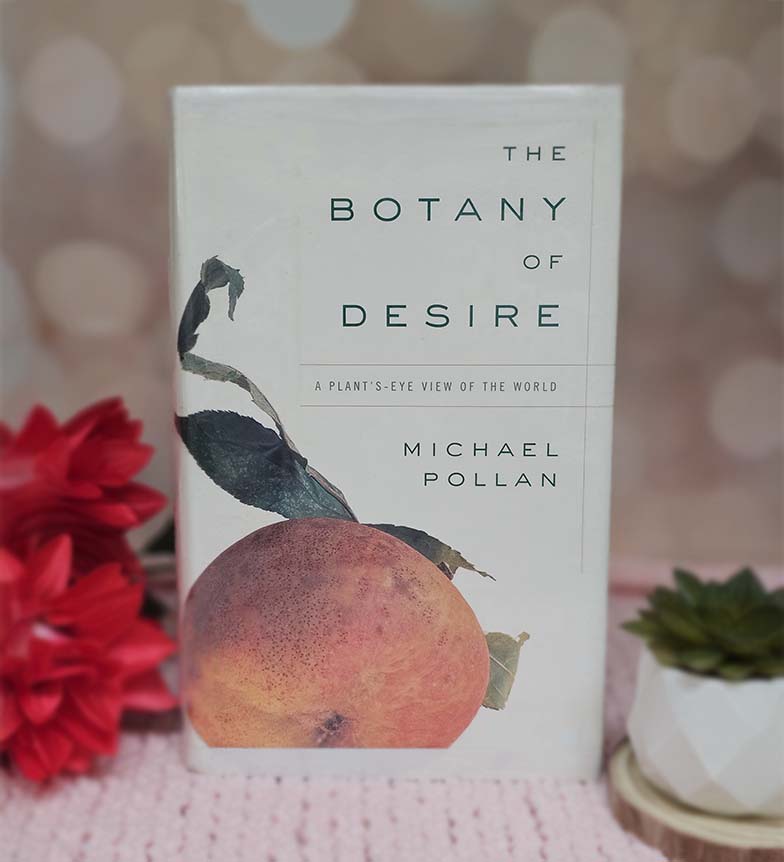
The Botany of Desire
by Michael Pollan
A fascinating exploration of how four plants - apples, tulips, marijuana, and potatoes - have shaped human history as much as we've shaped them.
Spoiler Warning
This review may contain spoilers. Read at your own discretion if you haven't finished the book yet.
Plants and People
The Botany of Desire flips our human-centric worldview by examining how plants have evolved to satisfy human desires, making us unwitting partners in their survival strategies.
The Concept
Pollan explores four fundamental human desires through four plants: sweetness (apples), beauty (tulips), intoxication (marijuana), and control (potatoes). He argues these plants have thrived by appealing to our needs.
What Works
Fresh Perspective
Viewing agriculture and gardening from the plant's perspective is both entertaining and enlightening.
Rich History
Each section weaves together botany, history, philosophy, and personal narrative beautifully.
Johnny Appleseed Reality
The true story of John Chapman is far more interesting than the folk tale - he was spreading cider apples, not eating apples.
Thought-Provoking Ideas
Pollan challenges assumptions about nature, domestication, and who's really in control of evolution.
Accessible Science
Complex botanical and genetic concepts are explained clearly without dumbing them down.
Considerations
Uneven Sections
The apple and tulip chapters are stronger than the marijuana and potato sections.
Dated References
Some scientific information and cultural references feel dated twenty years later.
Philosophical Tangents
Occasional digressions into philosophy may test some readers' patience.
Final Thoughts
The Botany of Desire offers a fascinating lens through which to view our relationship with the natural world and our role in it.
Rating: 3.5/5
Best for: Gardeners, nature lovers, and anyone interested in the hidden connections between humans and plants
You Might Also Like
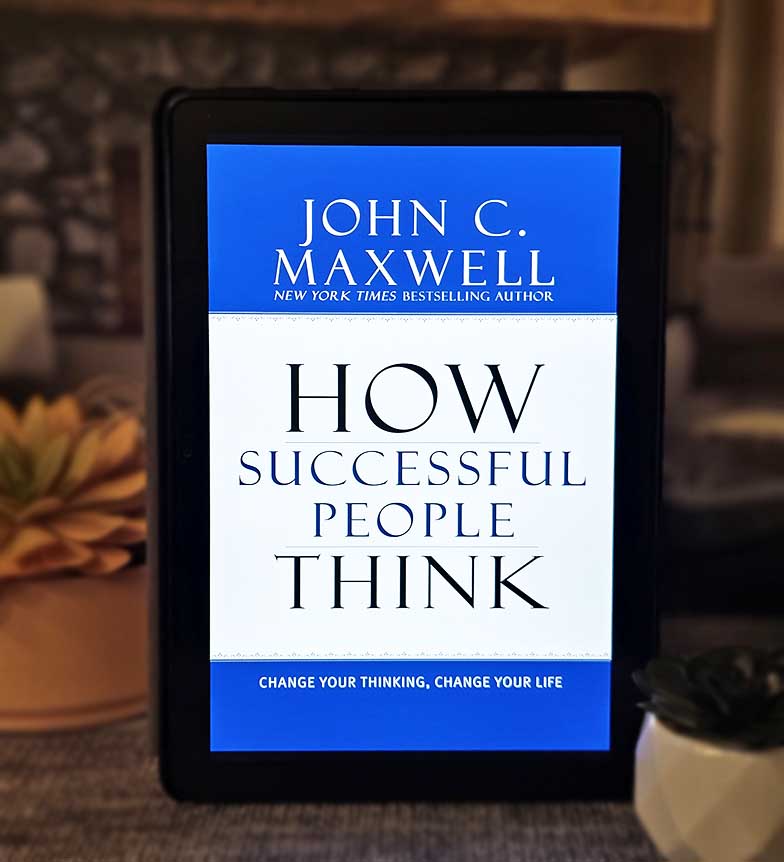
How Successful People Think
by John C. Maxwell
John C. Maxwell explores eleven types of thinking that successful people use, offering strategies for developing better mental habits and decision-making skills.
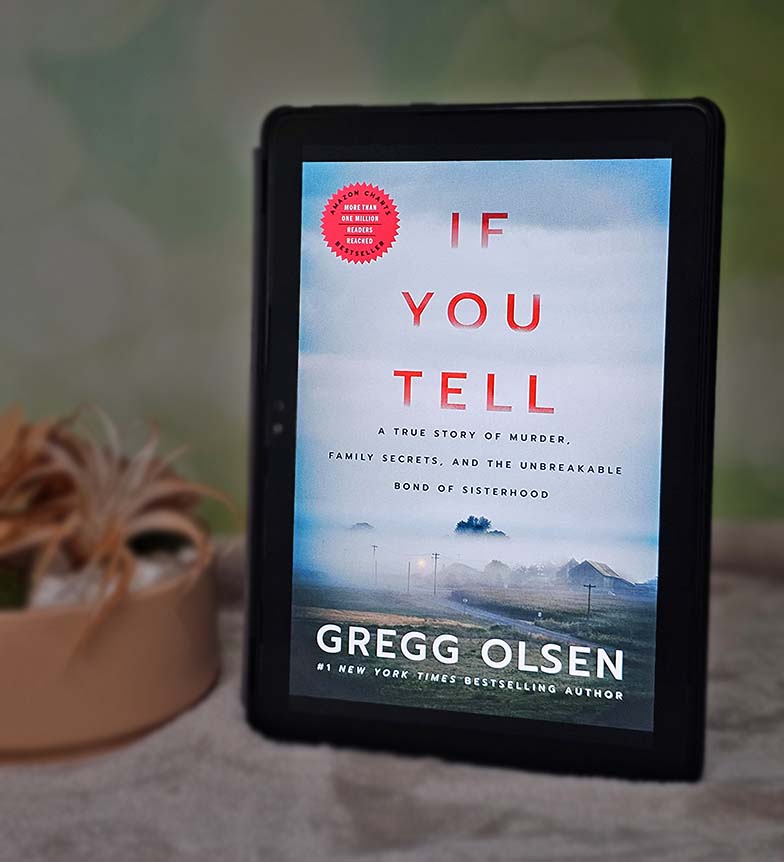
If You Tell
by Gregg Olsen
Gregg Olsen's devastating true crime account of the Knotek sisters and their mother's horrifying abuse and murders. Difficult but important reading about survival, sisterhood, and finally breaking silence. Expertly researched and sensitively handled despite disturbing content.
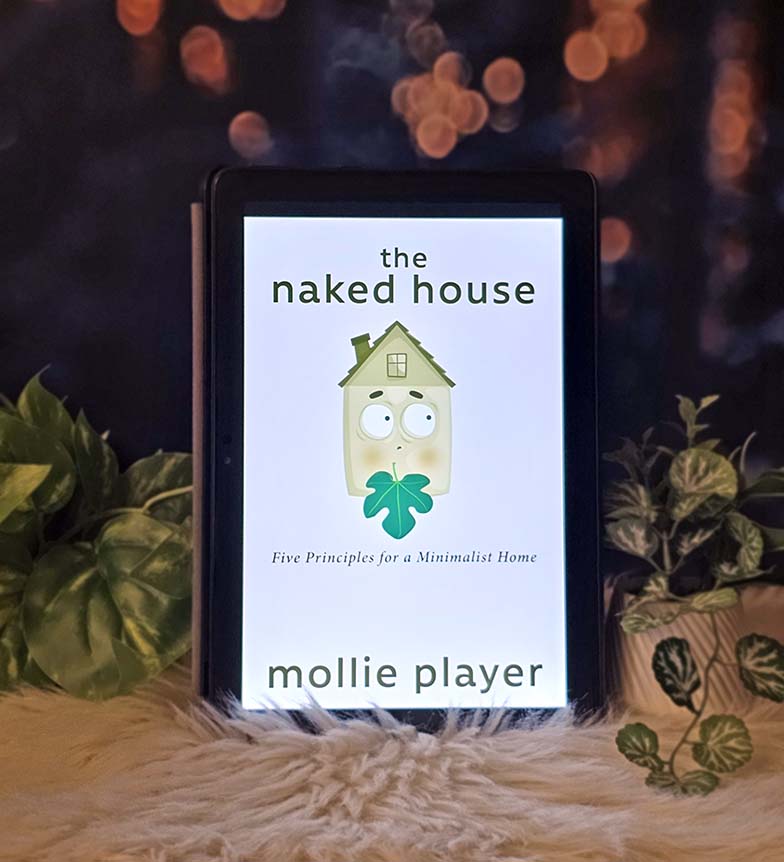
The Naked House
by Mollie Player
Mollie Player's memoir-meets-guide about her family's experiment living with minimal possessions for a year. Personal narrative about discovering what's truly essential through radical decluttering. Engaging storytelling but limited practical application.