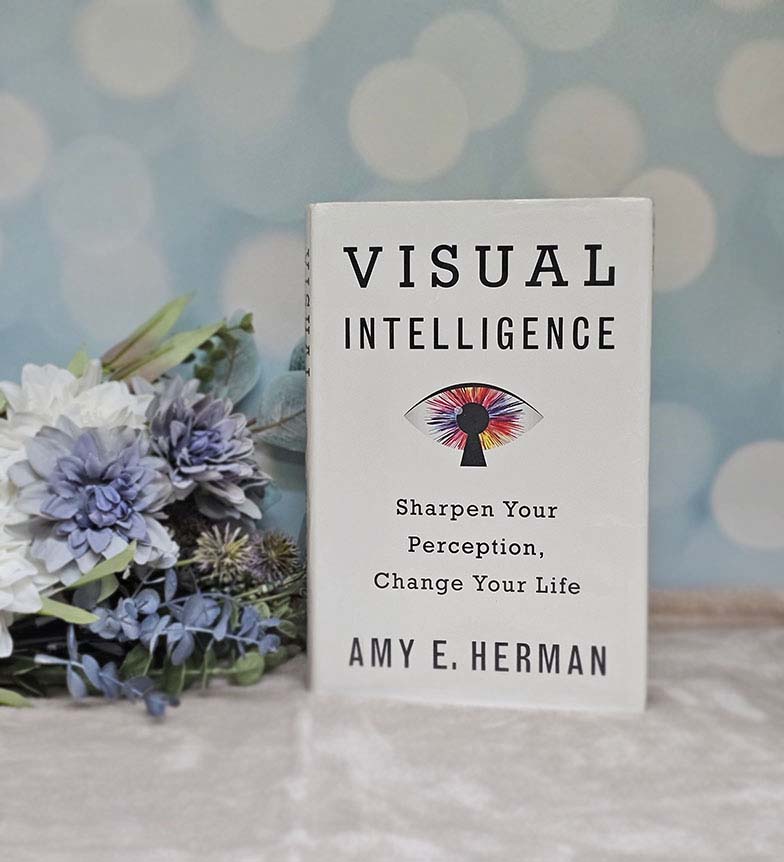
Visual Intelligence
by Amy E. Herman
An art historian teaches how studying art can improve observation, analysis, and communication skills, with applications for business, medicine, law enforcement, and everyday life.
Spoiler Warning
This review may contain spoilers. Read at your own discretion if you haven't finished the book yet.
See More, Know More
Visual Intelligence presents an intriguing premise: studying art can make you better at observing and analyzing the world around you. Amy Herman, who teaches perception seminars to FBI agents and medical professionals, shares her methods.
The Book
Herman draws on her experience using art to train professionals in observation skills. She presents paintings and photographs alongside lessons in how to look more carefully, identify what's actually there versus what we assume, and communicate observations effectively.
What Works
Unique Approach
Using art to teach observation is genuinely interesting, and the examples are well-chosen.
Practical Applications
Herman shows how these skills apply to real-world scenarios in medicine, law enforcement, and business.
Engaging Examples
The art analysis sections are often the most compelling parts of the book.
Awareness Building
The book succeeds in making readers more conscious of how much we miss in everyday observation.
Challenges
Repetitive
The central insight - look carefully - gets stretched thin over 300 pages. The book would benefit from tighter editing.
Self-Congratulatory Tone
Frequent mentions of Herman's impressive client list and seminar success become tiresome.
Limited Depth
Individual skills are introduced but not developed thoroughly enough for real mastery.
Final Thoughts
Visual Intelligence offers an interesting framework for improving observation, but doesn't fully deliver on its promise. Worth reading for the core concepts, even if the execution is uneven.
Rating: 3.0/5
Best for: Readers interested in perception, art appreciation, or professional skills development
You Might Also Like
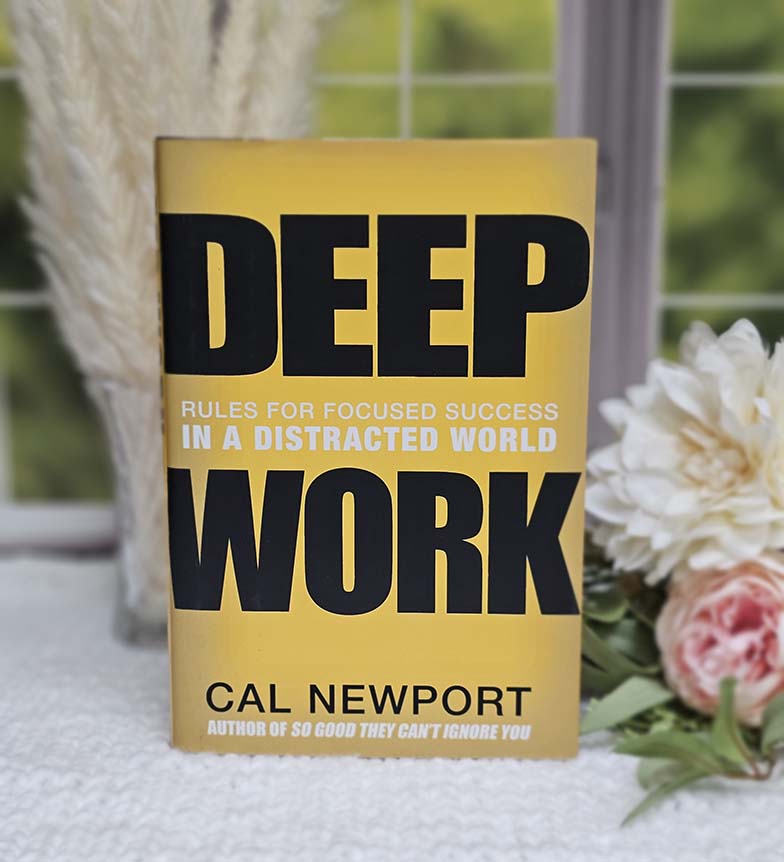
Deep Work
by Cal Newport
Rules for focused success in a distracted world—how to cultivate the ability to focus without distraction on cognitively demanding tasks.
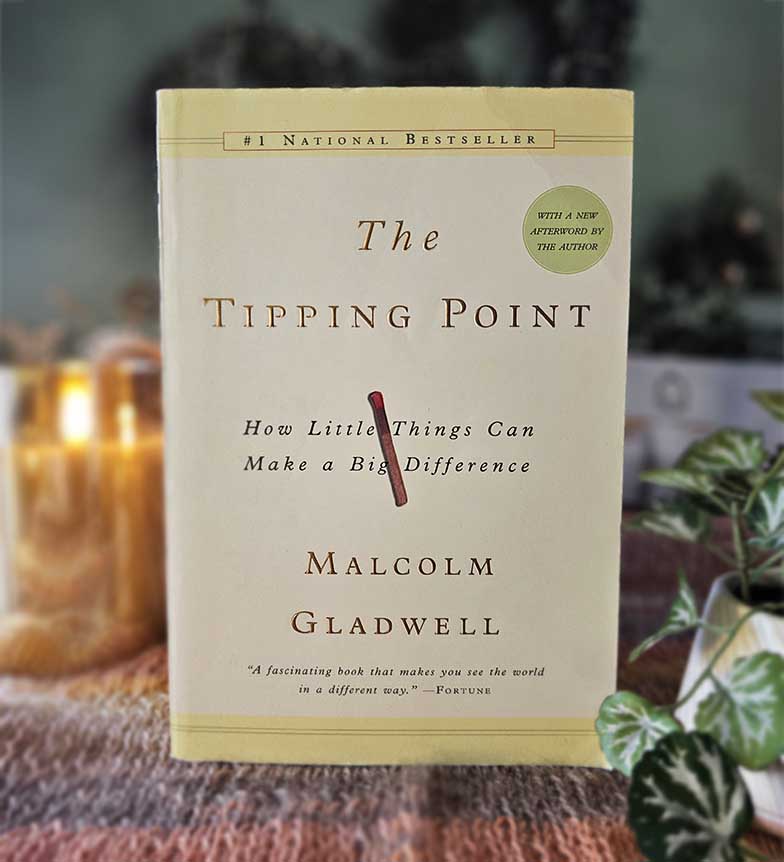
The Tipping Point
by Malcolm Gladwell
How little things can make a big difference—exploring the science of why some ideas, trends, and behaviors spread like viruses.

Calm the F*ck Down
by Sarah Knight
A no-nonsense guide to taming anxiety and taking control of your worries, using logic, humor, and practical strategies.