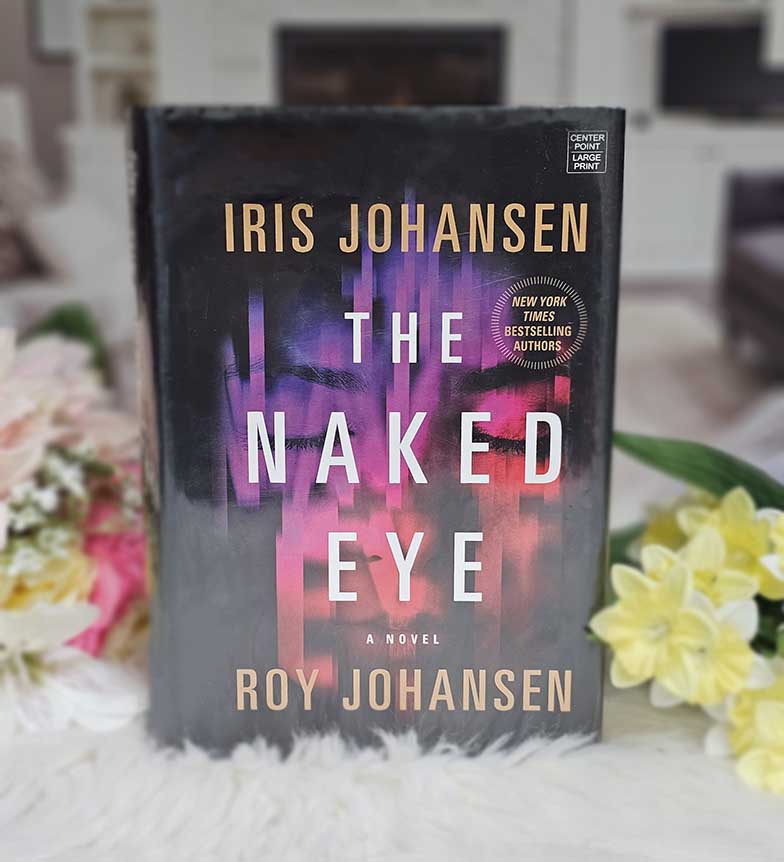
The Naked Eye
by Iris Johansen
Iris Johansen's Kendra Michaels thriller about hunting a serial killer targeting the blind. Kendra must use her unique perspective—having been blind herself—to understand the killer's mind and stop the murders. Personal stakes elevate familiar thriller formula.
Buy this book:
Spoiler Warning
This review may contain spoilers. Read at your own discretion if you haven't finished the book yet.
My Thoughts
The Naked Eye gives Iris Johansen's Kendra Michaels series its most personal case yet—a serial killer targeting blind people, forcing Kendra to confront her own past as a blind person while using her unique observational skills to track the murderer. The premise creates genuine emotional stakes and thematic resonance beyond typical thriller mechanics, though execution doesn't always rise to the material's potential.
Kendra is drawn into investigating murders of blind victims, killed with particular cruelty that suggests the murderer has specific hatred for the blind community. As someone who was blind for twenty years before experimental surgery gave her sight, Kendra has unique insight into the victims' lives and the killer's possible motivations. But the case also forces her to revisit traumatic memories and confront survivor's guilt.
The premise is the book's greatest strength—having Kendra investigate murders targeting the blind creates personal investment and psychological complexity beyond professional interest. Her understanding of blind navigation, community, and vulnerability provides investigative advantage while also emotional connection to victims.
The exploration of blind culture and community is handled with apparent research and sensitivity. Johansen shows the diversity of blind experience—different ages, causes of blindness, adaptation strategies, and relationship to sighted world. This isn't monolithic representation but recognition of variety within disability community.
Kendra's emotional journey confronting her blind past adds depth to character. She's sometimes ambivalent about her blind years—grateful for sight but also nostalgic for certain aspects of blind experience and community. The complexity of her feelings rings true and avoids simple narrative of "sight = better."
However, the thriller formula sometimes overwhelms more interesting material. The investigation hits familiar beats—witness interviews, crime scene analysis, deductions, red herrings, building to confrontation. The formula competence is there but not innovation.
The killer's motivation, when revealed, connects to blindness themes but feels somewhat generic thriller psychology. The personal vendetta and twisted reasoning follow familiar patterns. More psychological complexity or unexpected angle would strengthen material.
The romantic subplot with FBI agent Adam Lynch continues from previous books—banter, attraction, resistance, relationship complication. It's pleasant but predictable, following series romance patterns without much surprise or genuine chemistry building.
The pacing is generally good—chapters are short, scenes end with hooks, and action sequences are frequent. Johansen maintains professional thriller momentum. At 336 pages, it moves quickly without feeling rushed.
Kendra's observational deductions—her Sherlock-style ability to notice what others miss—are present but sometimes strain credibility. The leaps she makes occasionally feel more like authorial convenience than plausible reasoning, even granted her heightened abilities.
The prose is Johansen's typical clear, accessible style—prioritizing story momentum over stylistic innovation. Dialogue is natural, descriptions create atmosphere without overwhelming, and pacing is emphasized. It's professional thriller writing.
The supporting characters are thinly drawn—mostly functional rather than dimensional. Victims, witnesses, and other investigators exist primarily to serve plot rather than feeling like people with lives beyond Kendra's story.
The action sequences and confrontation are competently executed but follow familiar patterns. There's danger, narrow escapes, last-minute solutions. The mechanics work but don't surprise.
The series continuity rewards longtime fans—Kendra's relationships and ongoing life develop across books. Newcomers can follow the plot but miss emotional context for character dynamics.
The resolution ties up the immediate case while leaving series elements continuing. It's satisfying as thriller conclusion but doesn't fully explore the deeper themes about blindness, sight, and identity that the premise raises.
Why You'll Like It
- Personal Stakes: Kendra's blind past makes case emotional
- Blind Community: Respectful, researched representation
- Unique Premise: Serial killer targeting blind victims
- Kendra's Skills: Observational abilities showcased
- Fast-Paced: Professional thriller momentum
- Series Character: Ongoing development
- San Diego Setting: Vivid California backdrop
- Emotional Depth: More than just procedural
Perfect For
Kendra Michaels series fans, readers interested in disability representation in thrillers, those who enjoy detective protagonists with unique abilities, people seeking fast-paced mysteries with emotional dimension, and anyone who appreciates thrillers exploring themes beyond just catching killers.
Final Verdict
The Naked Eye has excellent premise—serial killer targeting blind people investigated by detective who was blind herself—that creates personal stakes and thematic potential beyond typical thriller. Kendra's emotional journey confronting her blind past adds dimension, blind community representation is researched and respectful, and her unique perspective provides both investigative advantage and psychological complexity. However, thriller formula sometimes overwhelms more interesting material—killer's motivation is fairly generic, romantic subplot is predictable, and plotting hits familiar beats. Observational deductions occasionally strain credibility, supporting characters are underdeveloped, and deeper themes aren't fully explored despite promising setup. Pacing is professional, prose accessible, and series fans will appreciate character continuity. But this feels like missed opportunity—premise and emotional material could support something more distinctive than competent but conventional thriller delivered. Recommended for series readers and those interested in disability representation in genre fiction, but won't convert skeptics of commercial thriller formula. Solid three-to-four star read: good execution of familiar patterns with premise that deserves more innovation.
You Might Also Like
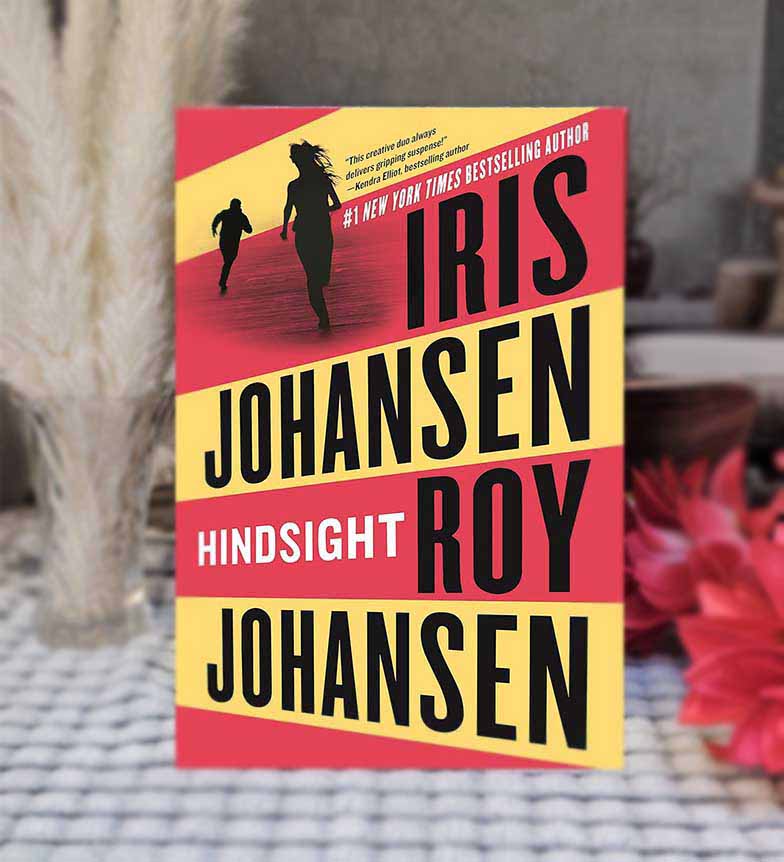
Hindsight
by Iris Johansen
Iris Johansen's Kendra Michaels thriller about reopening a cold case when new evidence suggests the convicted killer was innocent. Kendra must use her unique observational skills to find the real murderer before he strikes again. Solid series entry with cold-case twist.
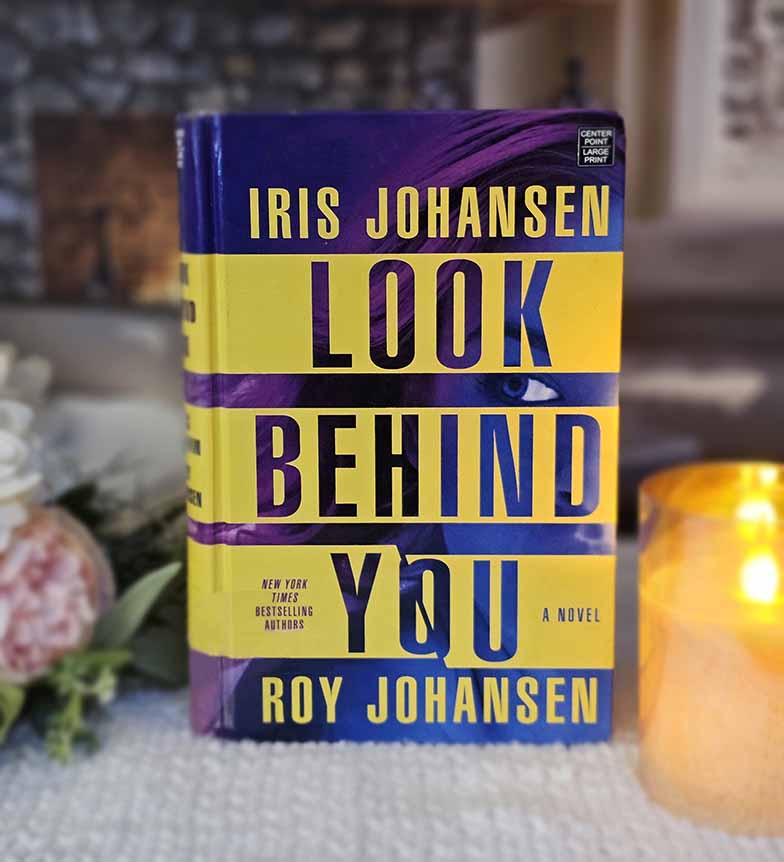
Look Behind You
by Iris Johansen
Iris Johansen's Kendra Michaels thriller about a killer targeting people connected to Kendra's past. Personal stakes elevate the formula as Kendra must protect those she cares about while using her unique skills to stop the murderer before someone she loves dies.
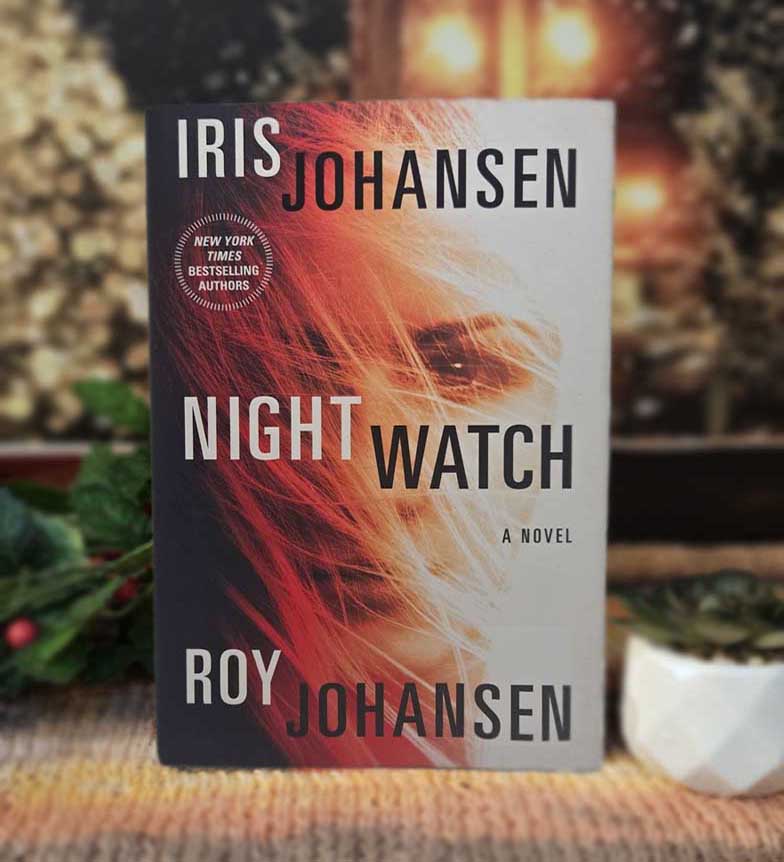
Night Watch
by Iris Johansen
Iris Johansen's Kendra Michaels thriller about a serial killer targeting performers. Kendra must use her unique skills—heightened from years of blindness—to protect potential victims and stop the murderer. Solid series entry with entertainment value and musical setting.