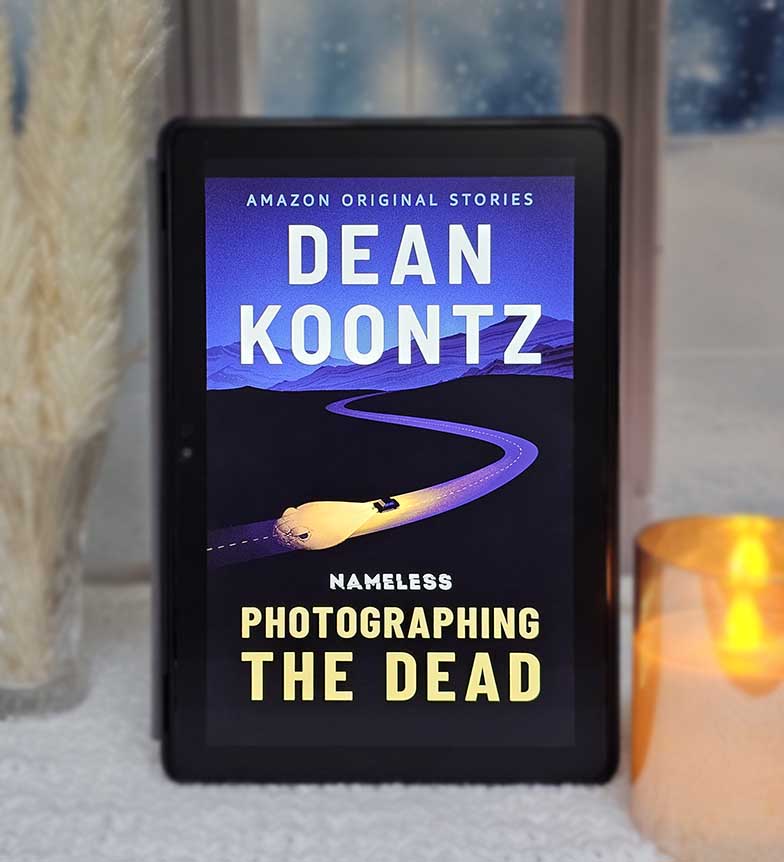
Photographing the Dead
by Dean Koontz
Dean Koontz's chilling Nameless novella about a photographer who stages elaborate death scenes. When Nameless investigates, he uncovers disturbing artistic obsession and confronts questions about evil's nature. Dark, atmospheric, and philosophically engaging thriller.
Buy this book:
Spoiler Warning
This review may contain spoilers. Read at your own discretion if you haven't finished the book yet.
My Thoughts
Photographing the Dead finds Dean Koontz exploring the disturbing intersection of art and murder through his Nameless series—resulting in one of the creepiest, most atmospheric entries yet. This novella examines artistic obsession taken to monstrous extreme while maintaining Koontz's philosophical depth about evil, beauty, and what separates human creativity from inhuman cruelty.
Nameless investigates a serial killer who murders victims and then poses them in elaborate, artistically composed death tableaux before photographing the scenes. The killer sees himself as artist—creating beauty from death, capturing "truth" that ordinary photography misses. As Nameless tracks this monster, he grapples with questions about where artistic vision crosses into madness and whether beauty created through evil can be truly beautiful.
The premise is genuinely disturbing. The idea of someone viewing murder victims as art subjects, carefully staging their deaths for aesthetic effect, is deeply unsettling. Koontz handles this with restraint—enough detail to convey horror without gratuitous dwelling on suffering.
The philosophical questions about art and evil are fascinating. Can something be aesthetically beautiful if it's morally monstrous? Does artistic talent excuse or mitigate evil, or make it worse by perverting creative gifts? Nameless wrestles with these questions while pursuing the killer, adding intellectual dimension to thriller framework.
Nameless's character continues to develop compellingly. His unknown past, extraordinary tracking abilities, mysterious resources, and absolute commitment to protecting innocents make him fascinating protagonist. His capacity for violence in service of justice contrasts with his philosophical contemplation and genuine humanity.
The killer's twisted artistic vision is chillingly portrayed. Koontz gets inside this character's warped perspective enough to make him comprehensible without making him sympathetic. We understand his delusions about creating art without ever forgetting he's murdering people.
The atmospheric writing is exceptional. Koontz creates genuine dread through accumulated detail and implication. The scenes where Nameless discovers the staged death photographs are haunting—beautiful composition serving horrific content creates cognitive dissonance that's deeply unsettling.
The pacing is excellent—each discovery raises stakes and urgency. The novella length creates tight focus without feeling rushed. Every scene serves purpose, building toward inevitable confrontation between Nameless and the killer.
The action when it comes is visceral and intense. Koontz writes physical conflict with clear choreography and genuine stakes. Nameless is highly capable but not invulnerable—the fights feel dangerous and consequential.
The supporting characters who help Nameless add warmth and humanity. His relationships show he's not sociopathic loner but someone capable of connection despite his isolation and lost past. These relationships ground the darker elements.
The resolution provides satisfaction while maintaining series continuity. This story's threat is eliminated, but Nameless's own mysteries continue. It works as standalone while building larger narrative about who Nameless is and what he's seeking.
However, the supernatural/quasi-supernatural elements in Nameless's abilities and the forces he faces may not work for readers wanting purely realistic thrillers. Koontz operates in space where metaphysical possibilities exist, which requires acceptance of his particular worldview.
The compact length occasionally means supporting elements feel slightly underdeveloped. The victims could use more presence to heighten emotional stakes. But this is minor issue in otherwise excellent work.
The philosophical meditations on art and evil, while fascinating, might feel heavy-handed to some readers. Koontz isn't subtle about his themes—he engages directly with big questions. Readers who prefer subtext may find this too explicit.
Why You'll Love It
- Disturbing Premise: Art and murder uniquely combined
- Atmospheric Horror: Genuinely creepy throughout
- Philosophical Depth: Art and evil explored thoughtfully
- Nameless: Continues compelling series character
- Tight Pacing: Perfect novella structure
- Visceral Confrontation: Satisfying action sequences
- Moral Complexity: Questions without easy answers
- Koontz's Strength: Shows his abilities at their best
Perfect For
Nameless series readers, Dean Koontz fans, those interested in psychological horror with philosophical dimension, readers who enjoy dark explorations of artistic obsession, people seeking novellas that deliver complete, substantial stories, and anyone drawn to vigilante justice narratives with moral complexity.
Final Verdict
Photographing the Dead is chilling, atmospheric thriller that combines genuinely disturbing premise with philosophical depth about art, evil, and beauty. The serial killer creating artistic death tableaux is uniquely horrific concept that Koontz handles with restraint and intelligence. The questions about whether beauty created through evil can be true beauty have real weight without slowing thriller momentum. Nameless continues to be fascinating protagonist—capable, mysterious, philosophically engaged while remaining pragmatic about stopping threats. The atmospheric writing creates genuine dread, the pacing is perfect for novella length, and the action sequences are visceral. Supporting characters add humanity, resolution satisfies while maintaining series mysteries, and Koontz demonstrates his ability to deliver pulp entertainment with literary aspirations. However, supernatural elements require buying into Koontz's worldview, compact length occasionally leaves elements underdeveloped, and philosophical themes are explicit rather than subtle. But these are minor issues in excellent novella. This is dark, thoughtful thriller that succeeds both as entertainment and exploration of disturbing questions. Highly recommended for series readers and anyone interested in psychological horror with substance. Five stars for achieving exactly what it attempts at highest level.
You Might Also Like

Red Rain
by Dean Koontz
Dean Koontz's intense Nameless novella about a killer who drowns victims in blood. Nameless must stop this horrific murderer while confronting questions about vengeance and justice. Dark, visceral, and philosophically rich thriller.

The Mercy of Snakes
by Dean Koontz
Dean Koontz's chilling Nameless novella about a killer using venomous snakes to murder victims. Nameless must stop this serpentine threat while exploring questions about cold-blooded evil. Dark, creepy, and philosophically engaging thriller.

The Praying Mantis Bride
by Dean Koontz
Dean Koontz's darkly compelling Nameless novella about a woman who murders her husbands. Nameless must stop her before she kills again, while grappling with questions about predatory human nature. Tense, psychological, and disturbingly effective thriller.