
The Full Cupboard of Life
by Alexander McCall Smith
The fifth installment of Alexander McCall Smith's beloved No. 1 Ladies' Detective Agency series finds Mma Ramotswe investigating suitors, solving mysteries, and contemplating life's complexities with wisdom, humor, and her traditional build. Gentle, charming, and surprisingly profound.
Buy this book:
Spoiler Warning
This review may contain spoilers. Read at your own discretion if you haven't finished the book yet.
My Thoughts
The Full Cupboard of Life is the fifth book in Alexander McCall Smith's No. 1 Ladies' Detective Agency series, and by this point, if you're still reading, you know exactly what you're getting—gentle mysteries, philosophical musings, and the immensely appealing Precious Ramotswe navigating life in Botswana with wisdom, kindness, and the occasional cup of bush tea. This installment delivers all the series' pleasures with particular charm.
The central mystery involves Mma Ramotswe being hired by a wealthy woman to investigate four suitors competing for her hand, determining which (if any) are genuinely interested versus after her money. This premise allows Smith to explore questions about love, authenticity, and what makes a good marriage—themes running throughout the series but particularly focused here.
Parallel storylines include Mma Makutsi (Ramotswe's assistant and now co-director) dealing with her own romantic situation with the furniture-store owner Phuti Radiphuti, problems at the Tlokweng Road Speedy Motors (run by Ramotswe's husband Mr. J.L.B. Matekoni), and various smaller cases and domestic situations that arise naturally from the characters' lives.
The series' great strength is how it makes the ordinary feel significant. There are no murders, no high-stakes international conspiracies, no car chases. The mysteries are domestic-scale—who's genuine, who's trustworthy, how to navigate relationship complexities, workplace issues, and the various small deceptions and misunderstandings that populate everyday life. Yet Smith treats these concerns with seriousness and care, recognizing that they matter deeply to the people experiencing them.
Mma Ramotswe remains one of contemporary fiction's most appealing protagonists—intelligent without showing off, morally centered without being preachy, confident in her traditional build and traditional values, curious about people, and fundamentally kind. She makes mistakes (her detective work is not always successful), has limitations (she's not great with modern technology), and can be stubborn (particularly about her van). She feels like a real person you'd want to know.
The Botswana setting is rendered with clear affection and specificity. Smith lived in Botswana and clearly loves the country, and that love comes through without veering into romanticization. He shows both the beauty—the big sky, the colors, the landscape—and the challenges—poverty, AIDS crisis (handled respectfully), infrastructure issues. The setting is integral, not interchangeable.
The cultural detail enriches without explaining everything. Smith trusts readers to pick up context. The traditional values Mma Ramotswe cherishes (hospitality, respect for elders, community responsibility) are shown through action rather than exposition. The balance between traditional and modern Botswana is ongoing theme—not presented as conflict but as negotiation.
The philosophy woven throughout is gentle but substantive. Mma Ramotswe thinks deeply about how to live a good life, what makes people happy, how to balance competing goods, when rules matter and when flexibility does. These aren't abstract meditations—they arise naturally from situations she encounters. The wisdom feels earned rather than imposed.
The humor is quiet and often character-based. Mma Makutsi's pride in her 97 percent from the Botswana Secretarial College, her rivalry with a former classmate, her sometimes prickly pride. Mr. J.L.B. Matekoni's mechanical competence contrasted with domestic confusion. The apprentices at the garage with their varying levels of redemption. The comedy comes from character and situation rather than jokes.
The writing style is deliberately simple and direct, which some literary readers find too plain. Smith writes with clarity and gentle rhythm but without stylistic fireworks. This matches the series' ethos—straightforward goodness, honesty, directness. The prose is transparent, letting story and character through without calling attention to itself.
The pacing is leisurely. Things unfold naturally rather than racing toward climax. Cases develop, domestic situations evolve, thoughts are thought, tea is drunk. For readers accustomed to thriller pacing, this can feel slow. For those who enjoy the series, the gentle rhythm is soothing, creating space for reflection.
The resolution of the suitor investigation is satisfying and thoughtful, revealing character rather than relying on dramatic confrontation. The solution emerges from careful observation and understanding people rather than detective brilliance or plot twist. The other storylines resolve in similarly organic ways.
However, the series does have limitations. The plots are genuinely low-stakes—if you need tension and danger, look elsewhere. The style is repetitive (certain phrases and formulations recur across books). The worldview, while kind, is somewhat conservative and traditional. The simplicity that's strength for fans can feel overly precious for skeptics.
There's also valid critique about a Scottish writer representing Botswana. Smith handles this thoughtfully, working with Batswana consultants and showing deep research, but the question of who tells whose stories remains relevant. The series has introduced many Western readers to Botswana, which is positive, but readers should also seek Batswana voices.
The book works best for readers already invested in the series—by book five, these characters feel like old friends, and spending time with them is the primary pleasure. Starting here would be odd, like dropping into the middle of a friendship group. Begin with the first book (The No. 1 Ladies' Detective Agency) or don't start at all.
Why You'll Love It
- Mma Ramotswe: One of fiction's most appealing detectives
- Gentle Mystery: No violence, no grimness
- Botswana Setting: Vivid, affectionate, specific
- Philosophical Depth: Wisdom woven naturally throughout
- Character Development: Ongoing storylines progress
- Quiet Humor: Character-based comedy
- Soothing Rhythm: Perfect comfort reading
- Life Wisdom: Thoughtful about living well
Perfect For
Series fans ready for the next installment, readers seeking cozy mysteries without grimness, those who appreciate philosophical fiction where big questions arise from everyday situations, anyone needing comfort reading that's intelligent without being demanding, and readers interested in African settings beyond the usual Western narratives. Essential for those who love Mma Ramotswe; meaningless to those who don't.
Final Verdict
The Full Cupboard of Life delivers exactly what fans of the series want—time with beloved characters, gentle mysteries, Botswana setting rendered with affection, and philosophical musings on how to live well, all wrapped in Smith's clear, unshowy prose. The suitor investigation provides satisfying central focus while allowing space for ongoing character development and domestic situations. Mma Ramotswe remains immensely appealing—wise, kind, competent, recognizably human. The book won't convert skeptics who find the series too precious or low-stakes, but for those already invested, it's a welcome return to this world. The wisdom about relationships, authenticity, and contentment is genuine rather than greeting-card shallow. Limitations remain—style can feel repetitive, pacing is leisurely, stakes are deliberately low, and questions about representation persist. But the series' fundamental pleasures are intact and delivered with particular charm in this installment. Highly recommended for fans, who should read from the beginning.
You Might Also Like
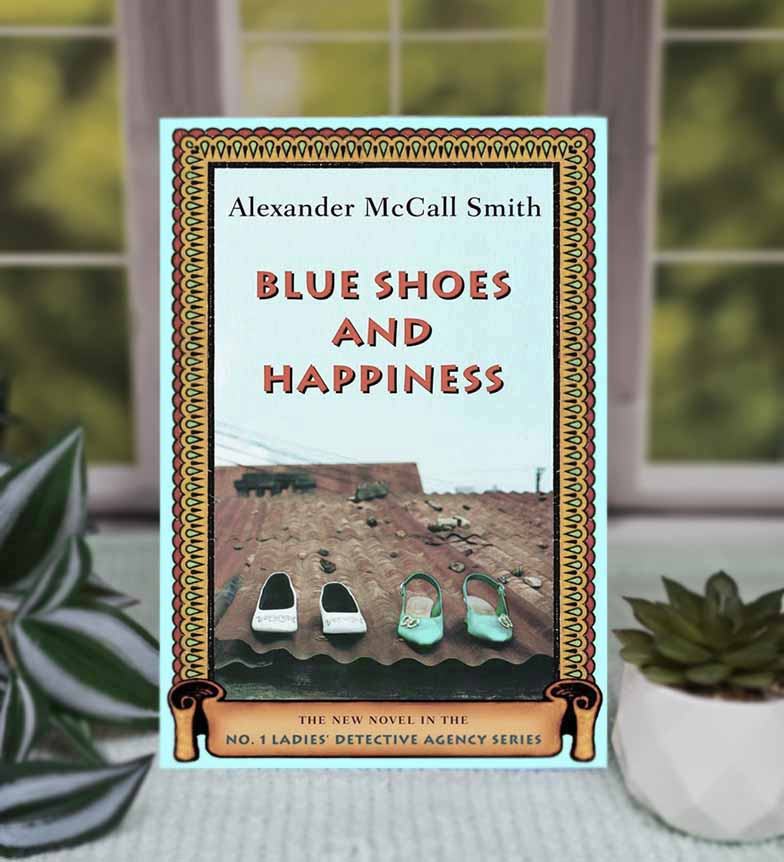
Blue Shoes and Happiness
by Alexander McCall Smith
The seventh No. 1 Ladies' Detective Agency novel finds Mma Ramotswe investigating petty crimes while contemplating happiness, contentment, and new blue shoes. Gentle, philosophical mystery with trademark wisdom, though perhaps too slight even by series standards.

Finders Keepers
by Stephen King
A stolen collection of notebooks containing an iconic author's unpublished work becomes the obsession of multiple people across decades, with deadly consequences.

Trial by Fury
by J.A. Jance
Seattle detective J.P. Beaumont investigates when a high school coach is found murdered, uncovering secrets that someone in the community will kill to protect.