
The Spender's Guide to Debt-Free Living
by Anna Newell Jones
A personal finance guide from a self-proclaimed spender who paid off $23,605.10 of debt in 15 months through her "Spending Fast" method. Practical advice for people who struggle with spending habits.
Buy this book:
Spoiler Warning
This review may contain spoilers. Read at your own discretion if you haven't finished the book yet.
My Thoughts
Anna Newell Jones's The Spender's Guide to Debt-Free Living takes a refreshingly honest approach to personal finance by acknowledging something many money books ignore: some people just like spending. Instead of shaming readers or pretending we can all become minimalist monks, Jones—a self-identified spender—offers a realistic path to debt freedom that works with human nature rather than against it.
The core concept is the "Spending Fast"—an extreme version of a spending freeze where you only pay for absolute necessities (housing, utilities, basic food, debt payments) and cut everything else. Jones did this for a full year and paid off over $23,000 in debt. The book details her method, provides practical tools, and shares her emotional journey through the process.
What I appreciate most is Jones's authenticity. She's not a financial expert or natural saver writing from a position of superiority. She's someone who loved shopping, eating out, and treating herself, who found herself drowning in debt, and who figured out how to change. This makes her advice feel accessible and non-judgmental. She gets why people overspend—for emotional comfort, social connection, identity expression—and addresses these underlying motivations.
The Spending Fast itself is quite extreme, and Jones acknowledges this. For a year, she didn't buy new clothes, eat out, get her hair done professionally, or spend on entertainment. Everything was DIY, homemade, or free. Most readers won't (and probably shouldn't) go to these extremes, but Jones provides modification options and explains how to adapt the method to your situation and debt level.
The book includes practical tools: worksheets for tracking spending, templates for budgets, strategies for resisting temptation, and tips for staying motivated. The "Spending Fast Categories" concept—identifying what you truly need versus what you want—is simple but effective. Jones walks through how to categorize expenses and make sometimes-difficult decisions about what's truly necessary.
Where the book really shines is in addressing the emotional and social aspects of spending. Jones discusses how to handle social situations when you're not spending (spoiler: it's awkward but doable), how to manage the emotions that trigger spending, and how to find non-shopping ways to meet underlying needs. This psychological component is often missing from finance books but crucial for lasting change.
Jones is also honest about the challenges. The Spending Fast was hard. She had moments of resentment, feelings of deprivation, and social awkwardness. Relationships were strained. She struggled with feeling left out. This honesty makes the book more credible—she's not selling a painless miracle cure but rather a difficult path that works if you commit to it.
The writing style is casual and conversational, sometimes too much so—the exclamation points and cheerleader tone can feel excessive. The book could also be more concise; there's some repetition, and the page count feels padded. A tighter edit would have made the core message land more effectively.
My biggest criticism is that the book doesn't deeply engage with structural economic issues. For people struggling with debt due to medical bills, student loans, or insufficient income, "just stop spending" isn't sufficient advice. Jones's debt came largely from lifestyle spending, and her solution worked for that specific situation. People with different debt sources or more severe financial constraints may need different strategies.
The book also assumes a certain baseline of financial stability. To do a Spending Fast, you need enough income to cover necessities and debt payments. For people living paycheck to paycheck with nothing to cut, this approach won't work without first addressing income issues.
That said, for the target audience—people who have debt primarily from lifestyle spending and who have enough income to tackle it if they stop the spending cycle—this book offers valuable guidance. The Spending Fast, even in modified form, can be a powerful reset button for spending habits.
Why You'll Love It
- Relatable Author: Jones is a spender, not naturally frugal
- Honest Approach: Acknowledges difficulty and emotions
- Practical Tools: Worksheets, categories, tracking methods
- Real Results: Jones paid off $23K in 15 months
- Emotional Component: Addresses why we overspend
- Flexible Method: Can be adapted to individual situations
- Social Aspects: Handles the awkwardness of not spending
- Non-Judgmental: No shaming or superiority
Perfect For
People who identify as spenders and struggle with debt, those who have tried budgeting but keep failing, readers who need the emotional component of money management addressed, anyone looking for an extreme but effective debt payoff method, and those who want a relatable, honest voice rather than financial expert lecturing. Not ideal for those with very limited income or debt from non-spending sources.
Final Verdict
The Spender's Guide to Debt-Free Living is a useful, relatable personal finance guide that offers a clear (if extreme) path to debt freedom for people who struggle with spending. Jones's honesty, practical tools, and attention to the emotional aspects of money make this more helpful than many conventional finance books for the target audience. While the method isn't for everyone and the writing could be tighter, the core message—that spenders can change their habits and become debt-free through intentional, radical spending cuts—is delivered effectively. If you're drowning in debt from lifestyle spending and need a reset, this book provides a roadmap. Just be prepared for a challenging journey.
My Notes & Takeaways
Key Insights
-
Finding Your True Source of Happiness
"Once you have a clear idea of the times that you've felt truly alive, you'll be able to see that it's those feelings you're after, not the new shirt or boots that you once thought led you to happiness. You'll be able to achieve these positive emotions without spending a lot, and without accumulating more and more stuff in an effort to experience those feelings. You'll feel much better about embarking on the Spending Fast when you realize that you don't need your attachment to spending nearly as much as you thought you did. Finding other ways to mimic that shopper's high will undoubtedly help you in your Spending Fast, because you'll be able to replace the spending with another activity. This step is very important in the getting-out-of-debt process."
-
Wants vs. Needs
"Not being able to differentiate between wants and needs is one of the biggest reasons people aren't able to direct more money toward paying down their debt."
"Needs are defined as 'the fixed expenses you are required to pay each month, as well as the essential items or activities that make you a happy, healthy, and unique individual.'"
-
Money's Impact on Life
"Money touches every area of our lives. People like to say that money doesn't matter and money isn't the most important thing, but we all know that your relationship with money has a huge impact on the quality of your life."
You Might Also Like
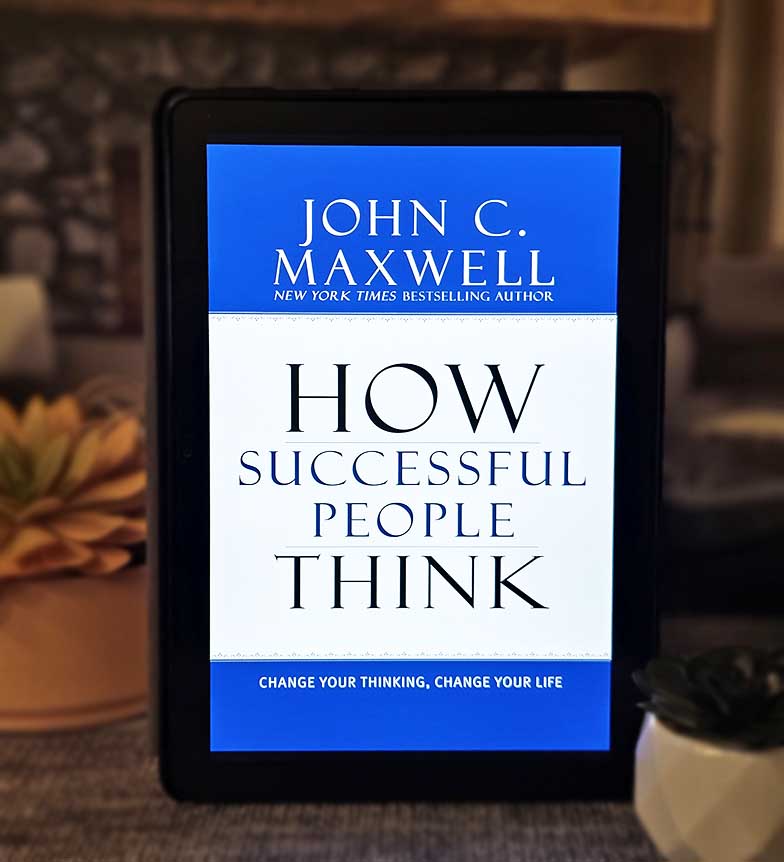
How Successful People Think
by John C. Maxwell
John C. Maxwell explores eleven types of thinking that successful people use, offering strategies for developing better mental habits and decision-making skills.
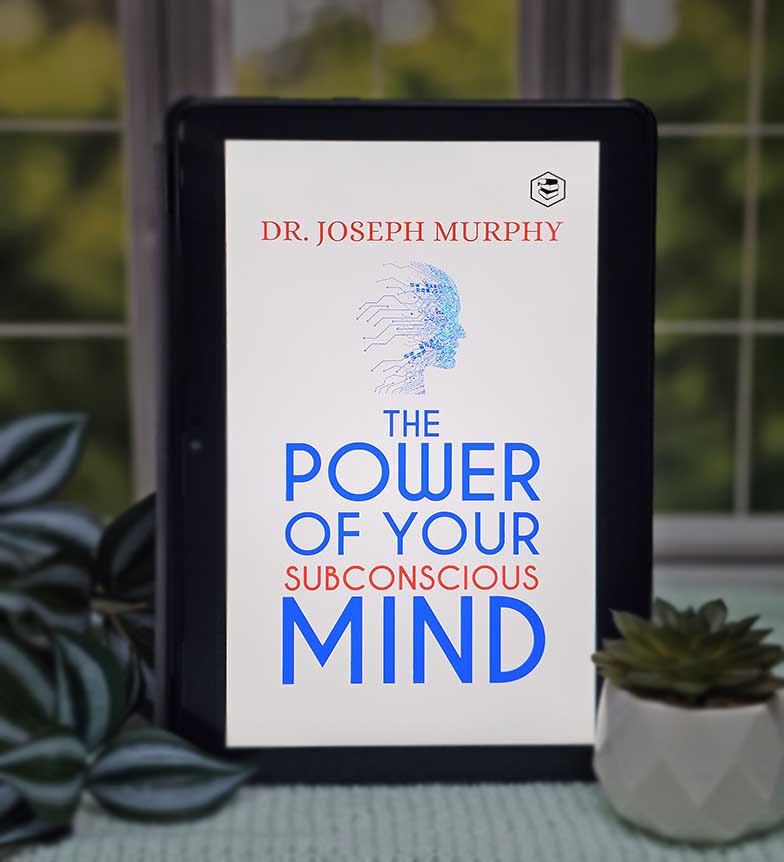
The Power of Your Subconscious Mind
by Joseph Murphy
A classic self-help book exploring how the subconscious mind influences our lives and how we can harness its power to achieve success, health, and happiness through directed thought and belief.
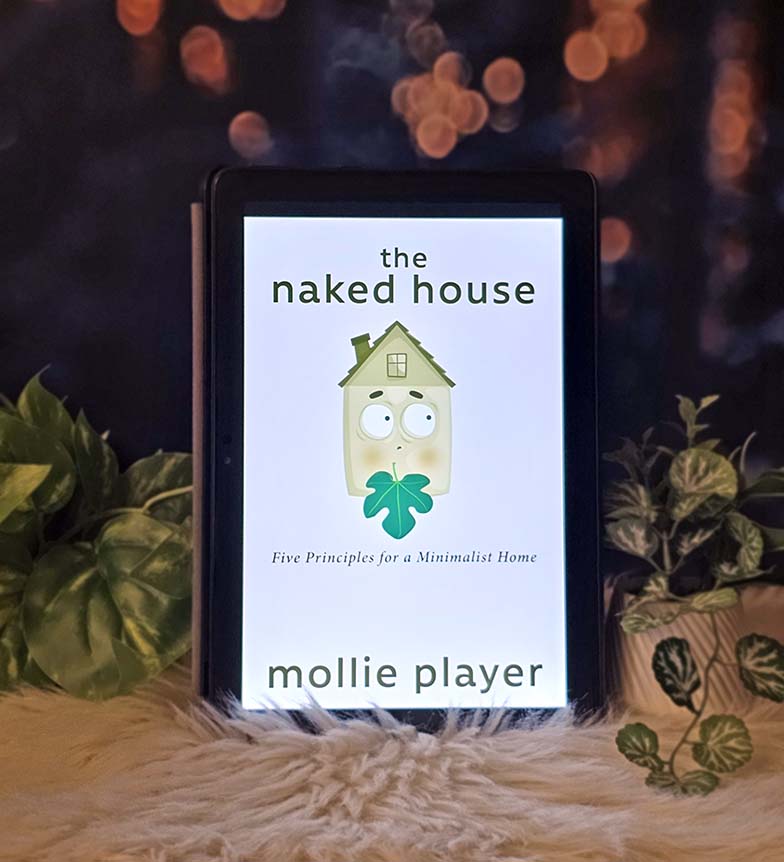
The Naked House
by Mollie Player
Mollie Player's memoir-meets-guide about her family's experiment living with minimal possessions for a year. Personal narrative about discovering what's truly essential through radical decluttering. Engaging storytelling but limited practical application.