
Station Eleven
by Emily St. John Mandel
Spoiler Warning
This review may contain spoilers. Read at your own discretion if you haven't finished the book yet.
Overview
Station Eleven is a literary post-apocalyptic novel that explores what remains of human civilization after a devastating flu pandemic, focusing not on survival tactics but on why we survive - for art, beauty, connection, and meaning.
The Story
On a winter night in Toronto, a famous actor named Arthur Leander dies on stage performing King Lear. That same night, a deadly flu pandemic begins spreading. Within weeks, 99% of humanity is dead.
Twenty years later, a traveling theater troupe called the Traveling Symphony moves between the scattered settlements of survivors, performing Shakespeare and carrying music to people who have lost almost everything.
The novel moves between multiple timelines - before, during, and after the collapse - slowly revealing how all the characters' lives are connected through Arthur Leander and the ripples he created.
What I Loved
The Structure
Mandel constructs this story brilliantly, moving between time periods and perspectives in ways that slowly reveal connections and build understanding. The non-linear structure serves the themes perfectly - everything is connected, all our lives touch others in ways we never know.
The Philosophy
This isn't a typical post-apocalyptic novel focused on action and survival tactics. It's contemplative, philosophical, asking deeper questions:
- What makes life worth living?
- What do we choose to preserve?
- Why does art matter, especially when survival is hard?
- How do we create meaning in a world stripped bare?
The Traveling Symphony's motto - "Survival is insufficient" (from Star Trek) - captures the heart of the book. We need more than just to survive; we need beauty, meaning, connection.
The Traveling Symphony
A theater troupe performing Shakespeare in the post-apocalyptic wilderness is such a powerful image. They believe in preserving culture and beauty, not just staying alive. Their dedication to art in a harsh world is deeply moving.
The Writing
Mandel's prose is beautiful - clear, evocative, thoughtful. She can convey profound loss in simple sentences and find beauty in devastation.
The Museum of Civilization
Clark's collection of "useless" artifacts from the old world - cell phones, credit cards, magazines - becomes a poignant meditation on what we've lost and what we took for granted.
The Interconnections
The way all the characters' lives touch each other, often without knowing it, creates a web of connection that spans the collapse. We see how Arthur's life rippled outward, affecting people who never met each other but are all linked through him.
The Timelines
Before the Collapse
We see the old world through retrospective eyes, which makes us notice things we usually take for granted - air travel, electricity, antibiotics, the ease of modern life.
The Night It Begins
The collapse starts quietly, almost mundanely. Mandel captures the strange feeling of the world ending while people are still going about normal activities.
Year One
The first year after is brutal, terrifying, desperate. Mandel doesn't dwell on violence but doesn't shy from showing the collapse's horror.
Twenty Years After
The new world has established itself - scattered settlements, no central authority, traveling groups, dangerous territory. But also: community, art, memory, hope.
Themes
Civilization's Fragility
How quickly everything we depend on disappears when infrastructure collapses. No electricity, no medicine, no communication, no transportation network.
The Importance of Art
Why Shakespeare? Why music? Because humans need more than survival. We need beauty, stories, meaning, connection to something larger.
Memory and Nostalgia
The older survivors remember and mourn the old world. The young never knew it and can't understand what was lost. Both carry different burdens.
Connection Across Time
How our actions ripple outward, touching lives we'll never know about, creating connections across time and space.
What We Preserve
When you can only carry essential items, what do you choose? The Symphony chooses Shakespeare and music. Clark preserves artifacts. We all choose what matters to us.
Hope and Meaning
Even in a devastated world, people create meaning, build communities, preserve beauty, and maintain hope.
The Characters
Kirsten
An actress with the Symphony who was a child actor before the collapse. She treasures artifacts from the old world but barely remembers it. Her resilience and dedication to art in harsh circumstances is inspiring.
Arthur
The actor who connects everyone, though most never know it. His life before the collapse creates ripples that spread through everyone's story.
Jeevan
A paramedic-turned-entertainment-journalist who tries to save Arthur and then navigates the first days of the collapse, showing us how quickly normal life falls apart.
Clark
Who creates the Museum of Civilization, preserving the mundane objects of our world for people who will find them incomprehensible.
Why 4.3 Stars?
This is a beautiful, thoughtful, profound novel that transcends its post-apocalyptic premise to explore what makes us human. The writing is gorgeous, the structure is brilliant, and the philosophy at its heart is moving.
It's not quite a 5 for me because the pacing can slow in places, and some readers may find it less engaging than more action-driven post-apocalyptic fiction. But for readers who appreciate literary fiction with genre elements, it's exceptional.
Who Should Read This
- Fans of literary post-apocalyptic fiction
- Readers interested in philosophical exploration of civilization and meaning
- Anyone who loves beautiful prose
- Fans of non-linear narratives
- Readers who appreciate stories about art and culture
- Anyone wondering what's truly essential in life
- Those who love interconnected character studies
Final Thoughts
Station Eleven is a stunning achievement - a post-apocalyptic novel that's ultimately hopeful, that believes in the importance of beauty and art, that finds meaning in connection and memory.
Emily St. John Mandel has written something special: a book about the end of the world that's really about what makes life worth living. It's haunting, beautiful, sad, and ultimately life-affirming.
In a world stripped of modern conveniences, the Traveling Symphony chooses to preserve Shakespeare. That choice says everything about what matters most - not just survival, but beauty, meaning, connection, hope.
"Survival is insufficient." Indeed. ⭐⭐⭐⭐
My Notes & Takeaways
Art Survives the Apocalypse
Station Eleven is a haunting, beautiful meditation on civilization, art, survival, and what matters most when everything else is gone. It's a pandemic novel, but it's really about humanity.
The Story
A flu pandemic kills 99% of the world's population within weeks. Twenty years later, a traveling theater troupe moves between scattered settlements performing Shakespeare. Their motto: "Survival is insufficient."
The narrative weaves between multiple timelines:
- The night the pandemic begins
- The first terrible year
- Twenty years after
- And the connections between them all
At the center: A famous actor who dies the night the world ends, and the ripples his life created that connect all the characters.
What Makes It Extraordinary
The Structure: Mandel moves between time periods seamlessly, slowly revealing connections between characters and showing us both the world that was lost and the world being rebuilt.
The Philosophy: This isn't just about survival - it's about what makes life worth surviving for. Art, beauty, connection, meaning.
The Traveling Symphony: A group that carries Shakespeare and music to settlements because "survival is insufficient." They believe in preserving beauty and culture, not just staying alive.
The Quiet Apocalypse: This isn't action-packed or violent. It's contemplative, focusing on loss, memory, adaptation, and meaning.
The Interconnections: Everyone is connected in ways they don't realize. The structure slowly reveals how all these lives touched each other.
Themes
Civilization is Fragile: How quickly everything we take for granted disappears when infrastructure collapses.
Art and Meaning: Why do we need Shakespeare and music and stories, especially in a post-apocalyptic world? Because survival isn't enough.
Memory and Loss: The older survivors remember the old world; the young never knew it. Both carry different burdens.
Connection: How our lives touch others in ways we never know, creating ripples that spread through time.
What We Choose to Preserve: When you can only carry what's essential, what do you choose? The Symphony chooses Shakespeare.
The Characters
Kirsten: An actress with the Traveling Symphony who was a child actor before the collapse. She barely remembers the old world but treasures its artifacts.
Arthur Leander: The famous actor who dies the night it all begins. His life connects everyone.
Jeevan: Who tries to save Arthur and then navigates the first terrible days of the collapse.
Clark: Who builds a Museum of Civilization in an airport, preserving cell phones and credit cards and other artifacts of the lost world.
The Prophet: A dangerous man who offers certainty in uncertain times.
Why It Resonates
This is a pandemic novel that isn't really about the pandemic. It's about what matters - beauty, art, human connection, meaning, hope. It asks: What would you want to preserve? What makes life worth living?
The writing is beautiful, the structure is brilliant, and the philosophy at its heart is profound.
You Might Also Like

Elevation
by Stephen King
A short, heartwarming tale about a man who is losing weight without changing size, and how his condition brings a divided community together.
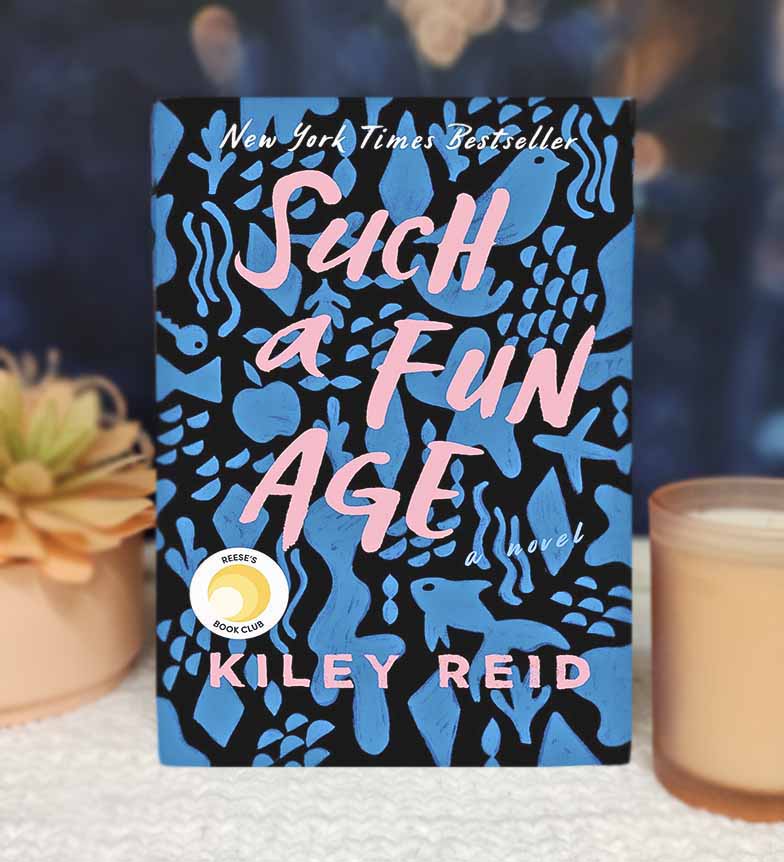
Such a Fun Age
by Kiley Reid
A sharp social commentary wrapped in a page-turning story about a young Black woman caught between her white employer and her white boyfriend, both with their own ideas about what she should be.
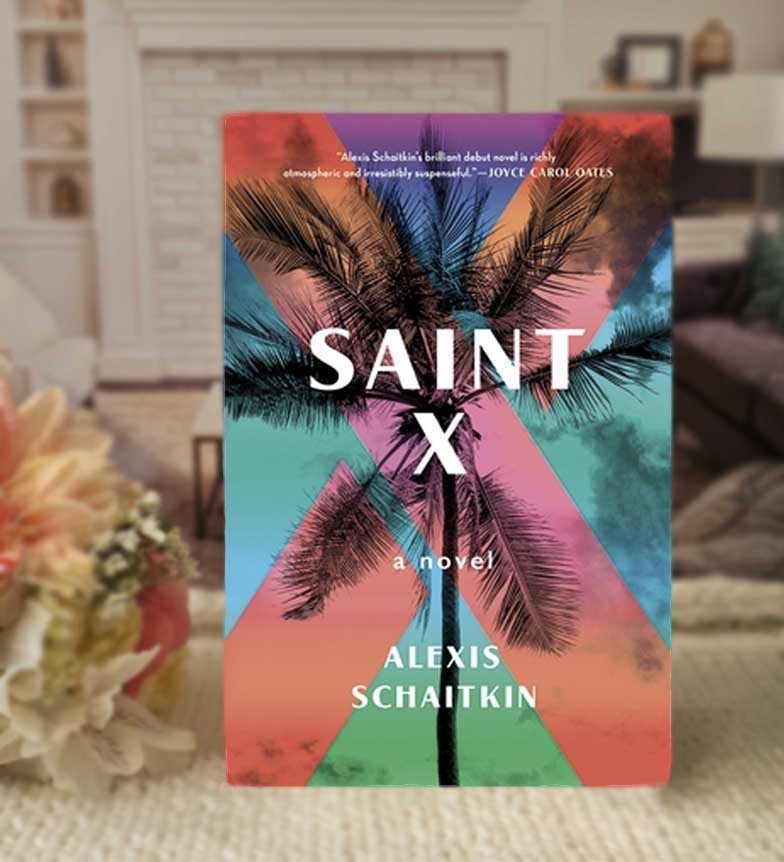
Saint X
by Alexis Schaitkin
A haunting novel about the mysterious death of a young woman on a Caribbean island vacation and her sister's obsessive quest for truth years later.