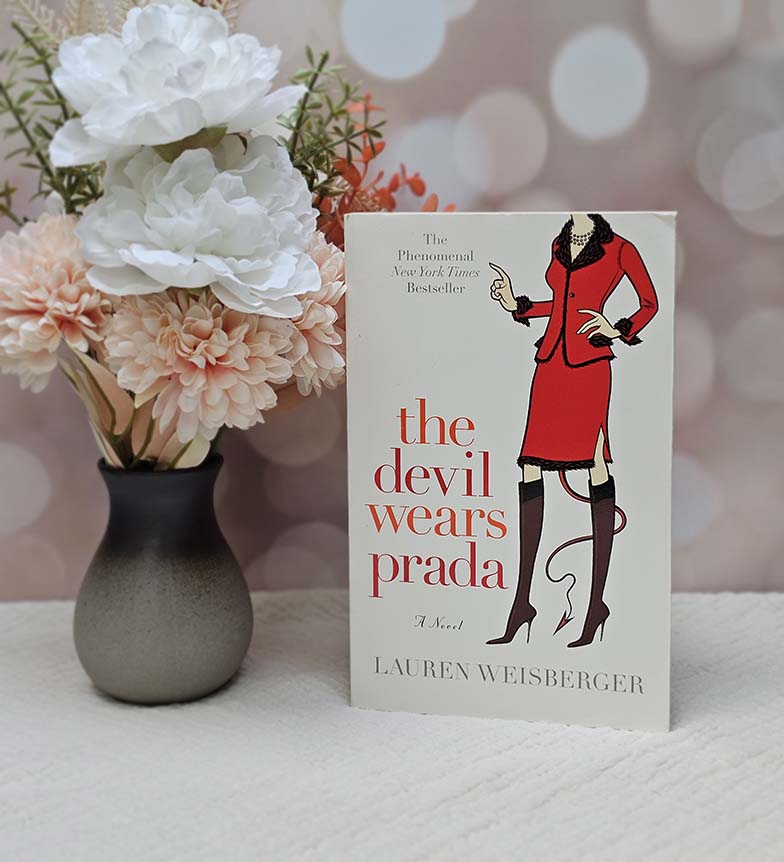
The Devil Wears Prada
by Lauren Weisberger
Lauren Weisberger's 2003 debut, a roman a clef drawn from her year assisting Anna Wintour: aspiring writer Andrea Sachs lands the junior-assistant job at fashion magazine Runway that 'a million girls would die for,' answering to the tyrannical editor-in-chief Miranda Priestly - and spends a year discovering exactly what that job costs.
Spoiler Warning
This review may contain spoilers. Read at your own discretion if you haven't finished the book yet.
The Job a Million Girls Would Die For, and the Year It Took to Want Out of It
Lauren Weisberger's 2003 debut comes with a backstory that's impossible to read around: she really did spend a year as an assistant to Anna Wintour at Vogue, and The Devil Wears Prada is the thinly fictionalized version of that year, a roman a clef with the receipts. That origin is the book's biggest asset and, in a way, its ceiling - it has the crackle of something written by someone who was actually there, and it also has the slightly score-settling flavor of a debut written close to the wound. Andrea "Andy" Sachs is a fresh Brown graduate who wants to write for The New Yorker and instead lands, almost by accident, the junior-assistant job at the fashion magazine Runway - the job, as everyone keeps telling her, that "a million girls would die for."
The catch is Miranda Priestly, Runway's editor-in-chief, a woman whose power is absolute and whose cruelty is delivered so quietly it takes Andy a while to register how bad it is. The premise is a bargain with the devil dressed in couture: survive one year of Miranda's impossible demands and she'll make a single phone call that opens any door in publishing. The book is the year. A 3.5 reflects a sharp, funny, propulsively readable insider satire with a genuinely memorable monster at its center - undercut by a narrator who spends a lot of the book sneering at the world she's reporting from, an episodic and repetitive structure, and a sense that the material is funnier than it is deep. It sits just below where most readers land it, and that feels about right.
Runway, Miranda, and the Anatomy of a Terrible Job
What the book does best is the texture of the job itself - the specific, escalating, gloriously petty awfulness of working for someone with unlimited power and no interest in your humanity. The unreturnable coffee orders, the unobtainable steak delivered at a moment's notice, the unpublished Harry Potter manuscript Miranda wants for her daughters, the calls that come at all hours with no greeting and no thanks. Weisberger renders Miranda as a marvel of low-volume tyranny, the "That's all" dismissal landing like a slap, and the cumulative effect is a workplace horror story that's all the more effective for being mostly mundane. Anyone who has ever had a boss who treated them as furniture will feel the recognition in their teeth.
The fashion-world satire is the other draw, and it's sharp when it wants to be - the absurd thinness of the staff, the religion of the clothes, the gap between the glamour the magazine sells and the misery of producing it. The senior assistant Emily, more sympathetic on the page than the genre usually allows, and the creative director Nigel, one of the few people who can stand up to Miranda, round out a Runway that feels observed rather than invented. When the book trusts its own access and just shows you how the machine runs, it's at its most alive.
Andy, and the Trouble With the Narrator
The reservation - and it's the one most readers land on - is Andy herself. She's our eyes, and she spends a great deal of the book holding the fashion world at arm's length with a curled lip, certain she's too smart and too serious for all of it, which makes her both the satirist and, unintentionally, a target of the satire. The disdain gets wearing; it's hard to fully root for a narrator who treats the people around her as beneath her even as she takes their paychecks. Her life outside Runway - her boyfriend Alex, a public-school teacher whose patience she steadily burns through, and her best friend Lily, a grad student spiraling into alcoholism - is meant to be the human ballast against the job, and it works in pieces, though Andy can be as neglectful and self-absorbed there as Miranda is to her.
It all builds to the Paris collections, where Andy goes in Emily's place and the demands reach their breaking point just as a crisis back home forces her to choose what she actually values. Without belaboring it: she reaches the end of what she'll tolerate, says so to Miranda in language you can't take back, and walks out of the job a million girls would die for. The book doesn't hand her a fairy-tale reward for it - no glowing reference, no magic door - just a small, real first win as a writer, a short story sold, the modest beginning she wanted all along. It's a more honest ending than the genre usually gives, even if the journey to it is bumpier than it needs to be.
Why a 3.5
The strengths are real: a juicy, voyeuristic insider's-eye view of a world most readers will never see; one of the more memorable awful bosses in popular fiction; genuinely funny set pieces; and the pull of a book you can finish in a weekend and not regret the time. As a beach read with a satirical bite, it mostly delivers exactly what it promises.
The reservations keep it at three and a half. The narrator's relentless superiority makes her hard company, and the irony that she looks down on a world she's profiting from is one the book never quite seems aware of; the structure is episodic to the point of repetition, one impossible demand after another without much escalation of stakes until late; and Miranda, terrifying as she is, stays a flatter villain than the material wants - which is part of why the very rare reader will tell you the 2006 film, with its more nuanced Miranda, improved on the source. A 3.5 means a clever, addictive, well-observed satire that's more fun than it is substantial - worth the read for the access and the monster, as long as you can put up with the tour guide.
Rating: 3.5/5 ⭐
Perfect for: Readers who love a juicy workplace satire, fashion and media insider stories, anyone who has survived a nightmare boss, chick-lit and beach-read fans who want a fast, funny page-turner.
Skip if: A judgmental, superior narrator wears on you, you want a tightly-plotted story over an episodic one, or you're hoping for the warmer, more nuanced Miranda of the movie rather than the book's colder one.
You Might Also Like
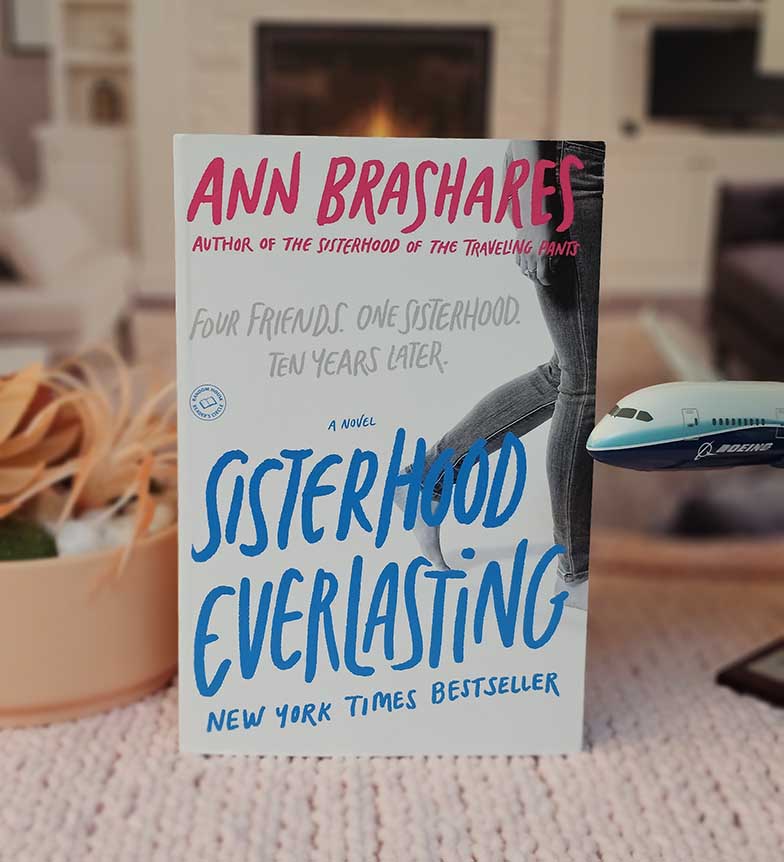
Sisterhood Everlasting
by Ann Brashares
Ten years after college, the Sisterhood reunites in Greece for what should be a joyful reunion. Then tragedy strikes, changing everything forever.
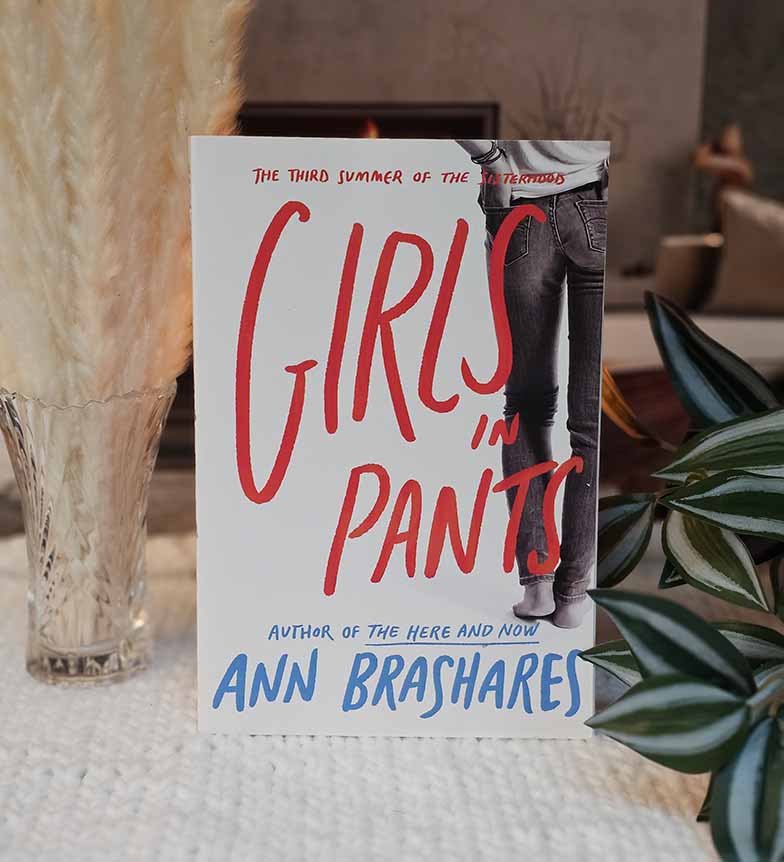
Girls in Pants: The Third Summer of the Sisterhood
by Ann Brashares
The summer before college - the last summer of innocence, of being together, of the magic pants. Carmen, Tibby, Bridget, and Lena face their biggest transition yet.
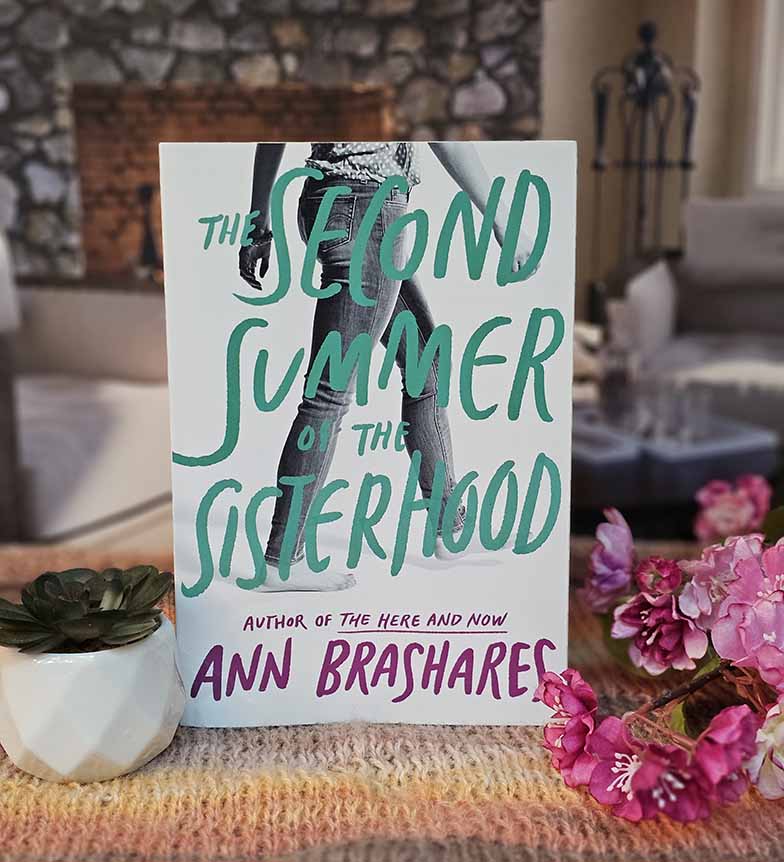
The Second Summer of the Sisterhood
by Ann Brashares
The pants are back for a second summer as Carmen, Tibby, Bridget, and Lena face new challenges, deeper heartbreak, and the continued magic of their unbreakable friendship.