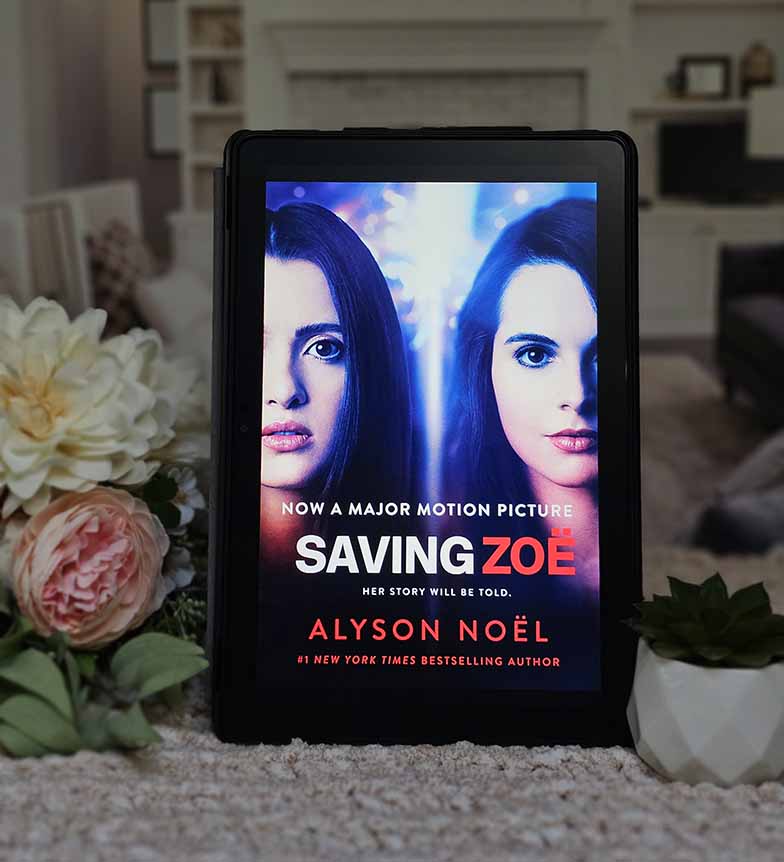
Saving Zoe
by Alyson Noel
After her sister Zoe is murdered, Echo struggles with grief and family secrets while trying to understand who her sister really was and what led to her death.
Spoiler Warning
This review may contain spoilers. Read at your own discretion if you haven't finished the book yet.
The Sister You Thought You Knew
Echo's older sister Zoe was beautiful, popular, magnetic - the kind of older sister who seemed to move through the world with a confidence that Echo could only admire from a distance. Then Zoe was murdered, and the case went cold. A year later, Echo is fifteen - navigating a high school where she's defined entirely by her dead sister's shadow, living in a house where her parents have retreated into their own separate versions of grief, and trying to figure out who she is when the only identity anyone's ever given her is "Zoe's little sister." Then Zoe's ex-boyfriend Marc shows up and gives Echo something that changes everything: Zoe's diary.
Alyson Noel's Saving Zoe is darker than you'd expect from the YA shelf. The diary doesn't contain the pages of a girl Echo recognizes. Instead, it reveals a Zoe who was keeping secrets - from Echo, from their parents, from everyone. A Zoe who was involved in a relationship with an older man. A Zoe who was being drawn into a world of exploitation that she didn't fully understand until it was too late. The diary forces Echo into a double grief: mourning the sister who died, and mourning the sister she thought she knew. That double loss - and Echo's determination to find out who Zoe really was, even when the truth is uglier than the myth - is what gives the book its emotional core.
A Family Frozen in Place
Noel's portrayal of how violent, unresolved loss breaks a family is one of the book's strongest elements. Echo's parents aren't villains - they're shattered people coping badly. Her mother has turned inward, cycling between numbness and sudden, overwhelming waves of grief that leave her unable to function for days. Her father has gone the opposite direction, throwing himself into work, maintaining a surface-level normalcy that everyone in the house knows is performance. They don't talk to each other about Zoe anymore. They don't talk to Echo about Zoe. The house is full of absence - Zoe's bedroom door closed, her name avoided, her photographs turned face-down - and Echo lives in the silence, carrying the weight of a loss that her family has collectively agreed to stop discussing.
What Noel captures well is how this silence compounds the grief rather than containing it. Echo can't process what happened because the people who should be processing it with her have each retreated behind their own walls. She's fifteen, dealing with a murdered sister, and essentially doing it alone. When the diary arrives, it doesn't just give Echo information about Zoe - it gives her something to do with the grief that's been sitting in her chest for a year with nowhere to go. The investigation becomes her way of feeling close to Zoe again, of maintaining a relationship with her sister even after death, even when that relationship turns out to be built on a version of Zoe that wasn't entirely real.
The Diary and What It Reveals
The diary entries are the book's engine, and Noel structures them carefully - doling out revelations at a pace that mirrors Echo's growing discomfort as the picture of Zoe's secret life comes into focus. Early entries are recognizable: Zoe writing about school, about boys she liked, about the ordinary dramas of being fifteen. Then the tone shifts. An older guy starts appearing in the entries. Zoe is flattered by his attention, thrilled by the sophistication he represents, willfully ignoring the warning signs that an adult reader can see from a mile away. Noel walks a careful line here - making Zoe's choices understandable without excusing the adults who exploited them. Zoe wasn't stupid or reckless. She was a teenager who was targeted by someone who knew exactly how to make a young girl feel special, and the diary traces the slow, deliberate process by which flattery became manipulation and manipulation became something worse.
Echo's reaction to these entries is where the book gets most psychologically interesting. She's angry at Zoe - for keeping secrets, for being reckless, for not asking for help. She's angry at herself - for not seeing what was happening, for being the oblivious little sister who missed every sign. She's angry at her parents - for the same obliviousness, for not protecting Zoe, for not being the kind of family where Zoe felt safe telling the truth. And underneath all of it, she's grieving again, because each diary entry replaces a memory of who Zoe was with evidence of who Zoe actually was, and the Zoe she's discovering is both more vulnerable and more complicated than the perfect big sister she'd been mourning.
Marc, Zoe's ex-boyfriend, serves as Echo's reluctant partner in the investigation. He's carrying his own guilt - he sensed something was wrong in the months before Zoe's death but didn't push hard enough to find out what. His relationship with Echo develops slowly, tinged with the uncomfortable awareness that they're connected primarily through a dead girl, and that whatever they're building is growing in the shadow of his relationship with her sister. Noel handles the romance with more restraint than most YA authors would - it doesn't dominate the story, and its progression feels weighted by the gravity of the circumstances rather than following the typical beats of a teen love story. It works, though it does occasionally slow the pacing in sections where the mystery momentum is stronger.
Coming of Age in the Aftermath
Echo's transformation over the course of the book is its most satisfying arc. She starts as a ghost in her own life - drifting through school, avoiding connection, letting other people's perceptions of her (Zoe's sister, the girl with the dead sister, the quiet one) substitute for an actual identity. The diary investigation forces her out of that passivity. She starts asking questions - of Marc, of Zoe's old friends, of the people and places mentioned in the diary entries. She confronts adults who'd rather she stopped digging. She makes choices that scare her and follows through on them anyway. By the novel's end, Echo isn't just trying to solve Zoe's murder - she's figured out who she is apart from her sister, which is the harder and more important discovery.
Noel's handling of the exploitation and predation themes is honest without being gratuitous - she writes at a level appropriate for her YA audience while making the danger real enough that it doesn't feel sanitized. The book functions as a genuine cautionary narrative about grooming and online vulnerability without ever feeling like an after-school special, mostly because Noel keeps the focus on Echo's emotional experience rather than lecturing about safety. The danger is conveyed through its impact on real characters the reader cares about, which is always more effective than abstract warning.
Where the book shows its seams is in the resolution. The mystery's conclusion, while emotionally satisfying, follows a pattern that experienced thriller readers will see coming - the identity of the person responsible for Zoe's death isn't the kind of revelation that restructures your understanding of everything that came before. It confirms suspicions rather than upending them. And the family's healing in the final chapters feels somewhat accelerated, as if Noel needed the book to end on a hopeful note and compressed what would realistically be years of therapy and rebuilding into a few pages of reconnection. For a YA novel, that compression is understandable - the audience deserves hope, and Noel earns the right to offer it after putting Echo through genuine darkness. But it does leave the ending feeling lighter than the story's weight warrants.
These are relatively minor complaints about a book that does something genuinely valuable: it takes young readers seriously enough to address grief, exploitation, and family fracture with real emotional honesty, while giving them a protagonist who models what it looks like to move through pain rather than around it. Echo's journey from passive mourner to active investigator to someone who owns her own story is the kind of coming-of-age arc that sticks with you, and Noel tells it with more depth and less sentimentality than the premise might suggest.
Rating: 4.0/5 ⭐
Perfect for: Young adult readers ready for darker themes, anyone processing grief or loss, readers who appreciate mystery elements woven into character-driven coming-of-age stories.
Skip if: Themes of exploitation and grooming are triggering for you, or you prefer YA that stays in lighter emotional territory.
You Might Also Like

Girls in Pants: The Third Summer of the Sisterhood
by Ann Brashares
The summer before college - the last summer of innocence, of being together, of the magic pants. Carmen, Tibby, Bridget, and Lena face their biggest transition yet.
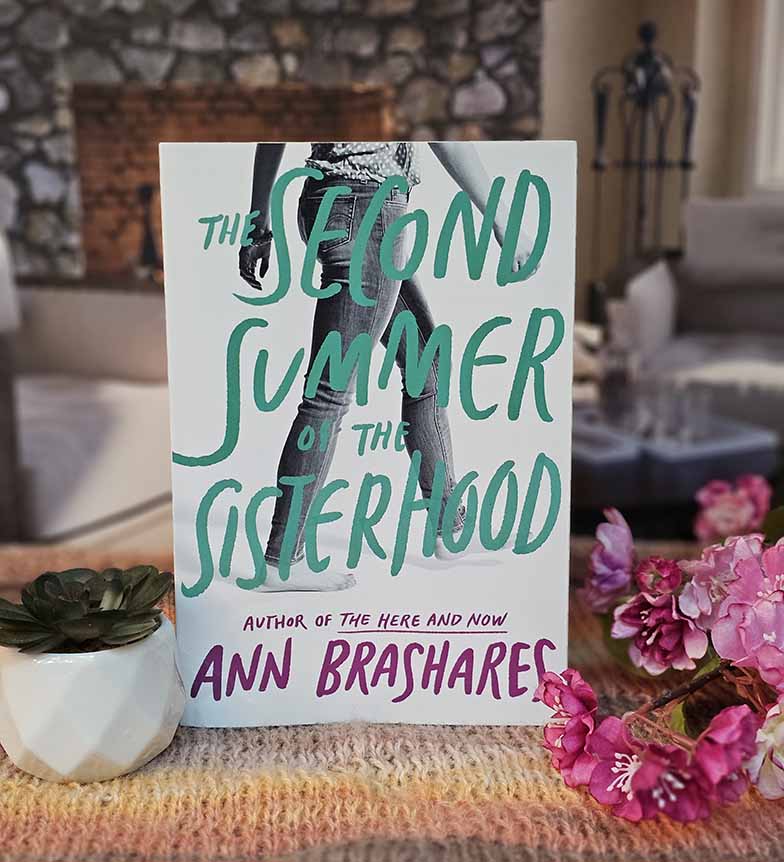
The Second Summer of the Sisterhood
by Ann Brashares
The pants are back for a second summer as Carmen, Tibby, Bridget, and Lena face new challenges, deeper heartbreak, and the continued magic of their unbreakable friendship.
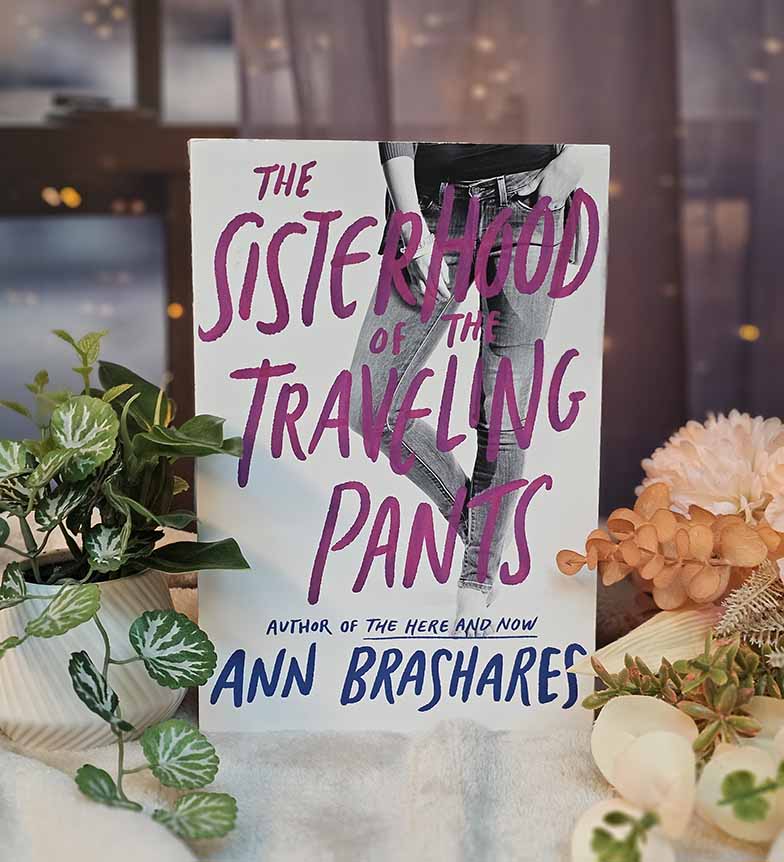
The Sisterhood of the Traveling Pants
by Ann Brashares
Four best friends, one pair of magical jeans, and a summer apart that brings them closer together. A heartwarming story about friendship, growth, and the bonds that hold us together.