
The You I Never Knew
by Susan Wiggs
Susan Wiggs' 2001 contemporary romance about Michelle Turner, who at seventeen was sent to her Hollywood-icon father's Montana ranch, fell for the ranch hand Sam McPhee, got him fired and his family destroyed when her father found out, and fled to Seattle pregnant - and who returns to Montana seventeen years later to donate a kidney to her dying father, with the rebellious teenage son Sam doesn't know about in the passenger seat.
Buy this book:
Spoiler Warning
This review may contain spoilers. Read at your own discretion if you haven't finished the book yet.
Seventeen Years Later, Back to Montana, with the Son the Ranch Hand Doesn't Know About
The setup of Susan Wiggs's The You I Never Knew does most of its work in the first chapter and trusts the reader to do the rest. Michelle Turner is in her mid-thirties, a single mother in Seattle, working as a graphic designer, raising a teenage son named Cody who is in the kind of trouble teenagers get into when their mother has spent fifteen years protecting a secret she has not been telling them about. The phone call comes. Gavin Slade - aging Hollywood-icon father whom Michelle has not spoken to in seventeen years - is dying, needs a kidney, and Michelle is the match. She loads Cody into the car. She drives back to the Montana ranch she swore she would never see again. And waiting in town, because of course he is, is Sam McPhee - the ranch hand she loved at seventeen, who is now a rancher and a country doctor, and who is about to look at Cody and do the math that Michelle has been refusing to do out loud for sixteen years.
A 3.5 reflects: a competent, emotionally readable contemporary romance with a premise that earns its setup and a Montana setting Wiggs renders with real affection; a central reveal that the reader sees coming from page one and that the book is honest enough not to pretend is a twist; a teenage-son storyline that does some of the book's better work; and some real reservations about pacing, length, and the moral weight the book gives Michelle's fifteen-year decision to keep Cody from his father.
The Backstory the Present Has to Carry
The seventeen-years-ago material is doled out across the book rather than dumped in flashback. At seventeen, Michelle's mother died and her father - a movie-star-turned-rancher who had been more brand than parent - invited her to spend a year on his Montana property. She fell hard for the place, for the horses, and for Sam McPhee, the seventeen-year-old ranch hand who was working her father's land. When Gavin found out, the response was the response of a man used to managing PR problems rather than fathering a daughter: Sam was fired, the McPhee family's reputation in the small town was deliberately damaged, and Michelle - pregnant, terrified, and convinced (incorrectly, the book will eventually argue) that Sam had been bought off and had moved on - left Montana for Seattle without telling Sam she was carrying his child. The Cody who is now in the passenger seat as she drives back into town is the cost of every part of that summer she has been refusing to look at.
The mechanical engine of the present-day plot is the kidney transplant. Gavin is dying. Michelle is the match. The book takes the medical material seriously enough to give the surgery and the recovery real page-time rather than treating it as a setup-and-cut device, and the slow forced proximity between Michelle and her father during the pre- and post-op weeks is some of the book's most honest writing. Gavin is not redeemed in a single conversation. He does not become a good father retroactively. What he becomes is a man who is finally too sick to keep performing the version of himself that ran Michelle off the property, and the relationship that develops between them is built on what is left when the performance stops.
The Reveal That Isn't a Reveal, and the Son Who Is Doing the Work
The Sam-Cody recognition is the book's structural centerpiece, and Wiggs is too pragmatic a writer to pretend it is a twist. Sam sees Cody, looks at his own face at sixteen, and knows. The book's actual question is not will Sam find out but what do the four of them do once everyone in the room is finally working from the same information. Cody's reaction is the strongest material in the present-day plot - his fury at his mother for the years of lies, his suspicion of the new father who has been thrust on him, the slow thaw as he discovers that he likes Montana more than he was willing to admit and that the country doctor he has every reason to hate is in fact a man who is patient enough to wait him out. Cody is sixteen, angry, frightened, and not the kind of teenager who exists only to be a plot complication; the book gives him interiority and the bandwidth to be genuinely changed by what is happening to him.
Sam himself is the love-interest archetype the genre relies on and Wiggs delivers him competently - quiet, competent, deeply hurt by the seventeen-year-old wound that he has been carrying in a different shape than Michelle had assumed. The reconnection between Sam and Michelle is paced as a careful, adult negotiation rather than a passionate-reunion sprint, which is one of the book's better choices.
What the 3.5 Is Doing
The strengths are real. Wiggs has been writing this kind of contemporary-with-family-saga since the late 1990s and she knows what she is doing at the chapter level: the Montana setting is rendered with sensory specificity (the light, the horses, the smell of the property after rain), the medical material is handled with more care than the genre demands, and Cody is the rare adolescent supporting character who feels written rather than slotted. The Gavin-Michelle reconciliation is allowed to be incomplete in a way that respects how long-estranged parent-child relationships actually thaw, and the book is unsentimental about Gavin's responsibility for what he did to Sam's family even as it lets him try to make some of it right.
The reservations are also real, and they are why this is a 3.5 rather than a 4. The book is long for what it is doing - several reviewers have noted that the middle third repeats character beats more than it needs to, and a reader paying attention can identify a hundred pages that could come out without losing structural integrity. The central romance lands but is paced more slowly than the present-day medical clock seems to require; Wiggs sometimes uses the same internal-monologue beat (Michelle wondering if she was right to keep Cody from Sam) more often than the reader needs it. The book is also, for some readers, working harder than it should to absolve Michelle's seventeen-year silence; the moral weight of withholding a child's father from him for sixteen years is treated as a difficult-circumstances decision rather than a choice with serious costs, and readers' tolerance for that framing will vary. The ending leans on faster reconciliation than the buildup quite earned.
A 3.5 means: a solid example of the early-2000s Wiggs catalog, a comfortable read for the right reader and the right week, and a book whose premise is more interesting than the execution finally manages to deliver, but only by a little. If you are already a Wiggs reader, this is a recognizable middle-tier entry. If you are coming in fresh, Summer at Willow Lake or one of the Lakeshore Chronicles is probably a better starting door.
Rating: 3.5/5 ⭐
Perfect for: Susan Wiggs readers and the broader Wiggs / Karen Kingsbury / Robyn Carr family-saga-with-romance audience, readers who like a Montana-ranch setting carrying as much weight as the romance plot, and readers who enjoy second-chance romances where the obstacle is a sixteen-year-old secret rather than an external misunderstanding.
Skip if: A romance built on a long-withheld-paternity secret is a moral non-starter for you, you find 380-page early-2000s contemporary romances padded, or you want the kidney-transplant and the reconciliation to resolve faster than the book is willing to let them.
You Might Also Like

Your Perfect Year
by Charlotte Lucas
When a mysterious diary falls into his hands on New Year's Day, a rigid businessman embarks on a life-changing journey of tasks and self-discovery that connects him with a free-spirited woman and changes both their lives forever.
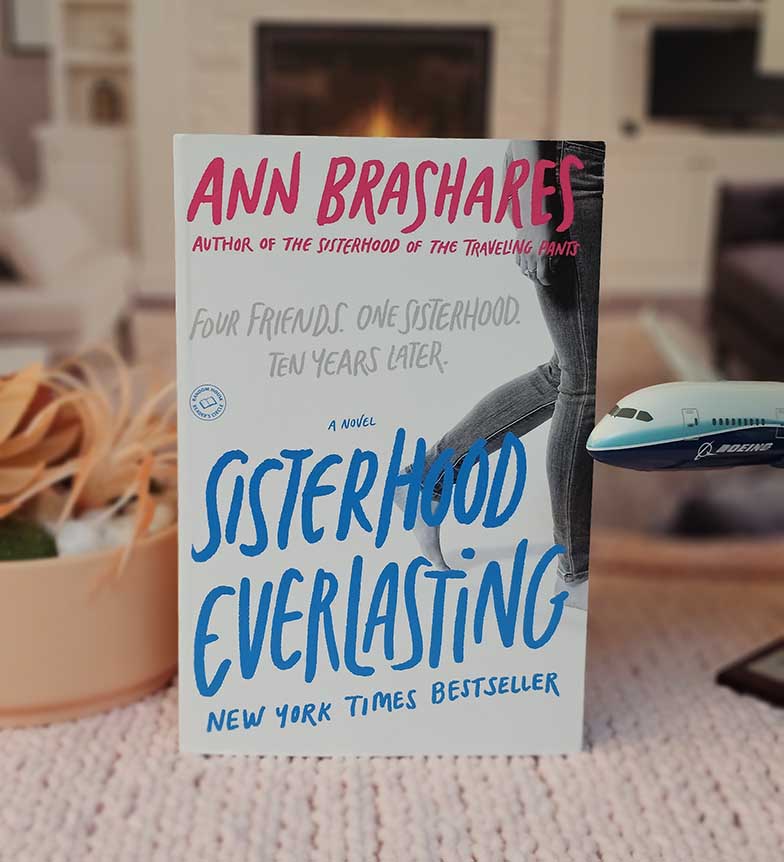
Sisterhood Everlasting
by Ann Brashares
Ten years after college, the Sisterhood reunites in Greece for what should be a joyful reunion. Then tragedy strikes, changing everything forever.

Forever in Blue: The Fourth Summer of the Sisterhood
by Ann Brashares
The summer after freshman year of college - the friends are scattered, changed, and struggling. The pants bring them together as they navigate who they're becoming.